The Ultimate Guide to Classic Comfort Foods
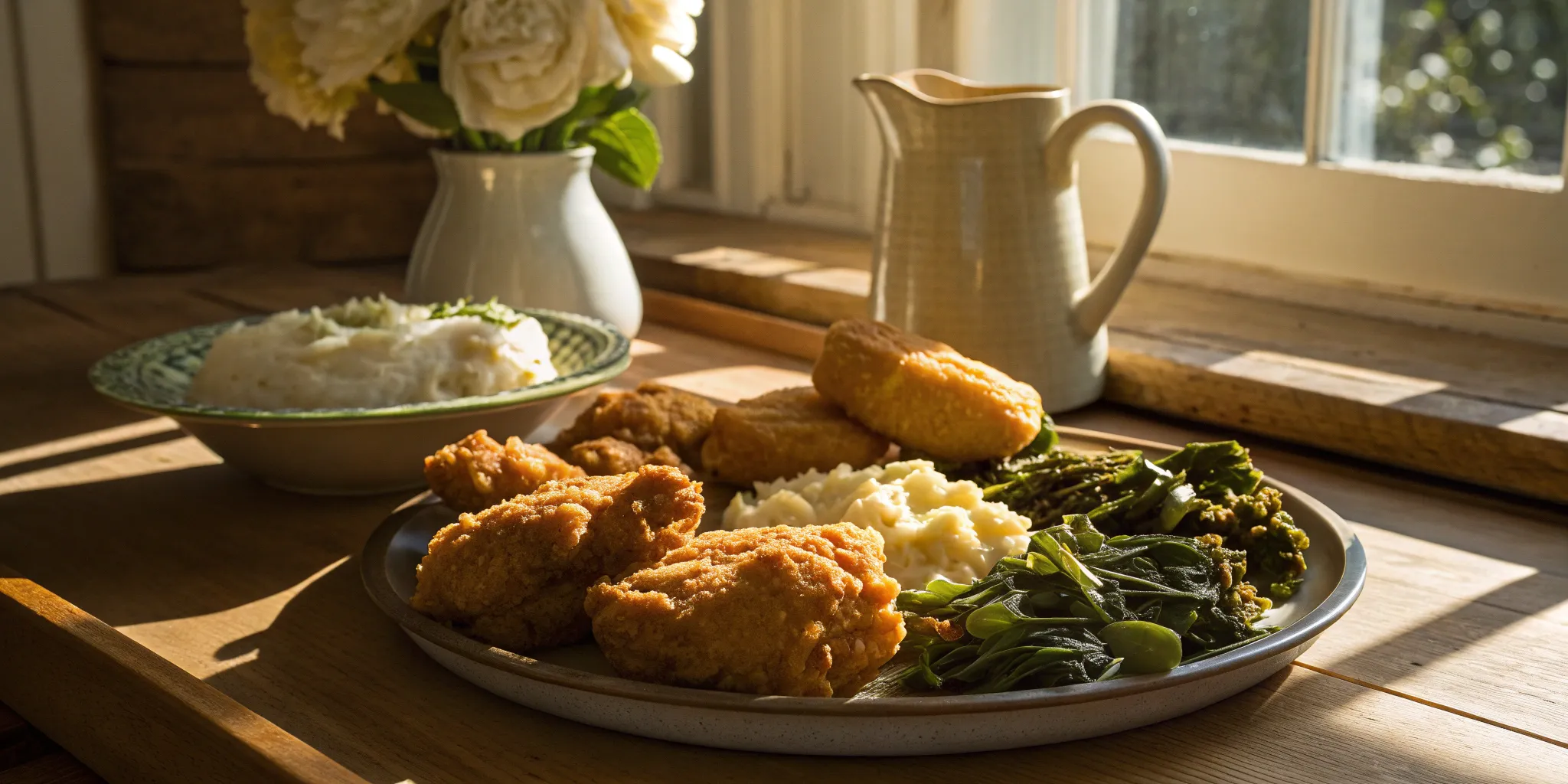
Have you ever had a long, tough day where all you could think about was a warm bowl of mac and cheese? That pull toward certain foods is universal. It’s more than just hunger; it’s a deep-seated need for something that feels familiar and safe. Our favorite comfort foods speak to our emotions, memories, and even our biology. These cravings are powerful because they’re tied to our most fundamental experiences, from the joy of a shared meal to the soothing feeling of a favorite dish. It’s a combination of brain chemistry, personal history, and our innate need for connection that makes these meals so incredibly powerful.
Key Takeaways
- Comfort Food is Emotional: The reason certain dishes feel so good is tied to memory and brain chemistry. These meals can trigger positive emotions and a sense of security, making them a powerful way to practice self-care and connect with others.
- Flavor is Found in the Details: True satisfaction comes from more than just ingredients; it's about the entire experience. Pay attention to textures, temperature, and aroma, as these sensory details are what transform a simple meal into a memorable one.
- Make Any Recipe Your Own: Classic comfort foods are incredibly adaptable. Simple swaps for dietary needs or using lighter cooking methods like baking instead of frying can help you create a version that works for you without losing its comforting essence.
What Exactly Is Comfort Food?
Ask ten different people what comfort food means to them, and you’ll likely get ten different answers. For some, it’s a bubbling, cheesy casserole straight from the oven. For others, it’s a hearty, stick-to-your-ribs meal that feels like a warm hug on a cold day. At its core, comfort food is any dish that makes you feel good—the kind of food that provides a sense of nostalgia, security, and simple happiness. These are the meals that do more than just fill you up; they nourish your soul.
Southern cuisine is practically built on this very concept. Dishes like creamy shrimp and grits, crispy fried chicken, and a perfectly cooked burger are designed to be deeply satisfying and familiar. They connect us to a sense of tradition and home, reminding us of family dinners and community gatherings. It’s not about complicated techniques or fancy ingredients. Instead, it’s about honest, flavorful cooking that feels both generous and personal. These are the kinds of comfort food recipes that are passed down through generations, each one telling a story. At Notch8, we believe in serving up that authentic feeling of comfort on every plate, offering a taste of home whether you’re dining in with us or taking it to-go.
Why We Connect with Comfort Food
Our connection to comfort food runs deep, tapping into our fondest memories and emotions. Often, the dishes we find most comforting are tied to our childhood—a specific meal your grandmother used to make or a treat you enjoyed on special occasions. This powerful link between food and memory is why a simple bowl of soup or a plate of mac and cheese can feel so restorative. A lovingly prepared meal can provide genuine nourishment during tough times. Sharing these foods with others also strengthens our bonds, turning a simple dinner into a meaningful experience that fosters connection and creates new, happy memories.
What Makes a Food "Comforting"?
So, what gives a dish its "comforting" quality? It often comes down to a few key characteristics. These foods are typically hearty, satisfying, and rich in flavor, bringing back good memories with every bite. Texture and temperature also play a huge role; think of the creamy smoothness of mashed potatoes, the warmth of a savory stew, or the satisfying crunch of fried chicken. Comfort foods are usually simple and easy to eat, requiring little effort to enjoy. They aren’t meant to be challenging—they’re meant to be a source of pure, uncomplicated pleasure that makes you feel content and cared for.
Why Do We Crave Comfort Food?
Have you ever had a long, tough day where all you could think about was a warm bowl of mac and cheese? That pull toward certain foods is universal. It’s more than just hunger; it’s a deep-seated need for something that feels familiar and safe. Comfort food speaks to our emotions, memories, and even our biology. These cravings are powerful because they’re tied to our most fundamental experiences, from the joy of a shared meal to the soothing feeling of a favorite dish. It’s a combination of brain chemistry, personal history, and our need for connection.
The Science Behind Our Cravings
There’s a real scientific reason a bite of something rich and savory can instantly make you feel better. Many classic comfort foods are high in carbohydrates and fats, which trigger the release of feel-good chemicals in the brain, like serotonin. This chemical promotes feelings of well-being and happiness. So, when you dig into a creamy dish of shrimp and grits, your brain gets a signal to relax and feel content. The psychology of comfort food shows that our cravings are often our body’s way of seeking a little dose of happiness.
How Food Triggers Memories
Ever catch a whiff of something baking and find yourself instantly transported back to your grandmother’s kitchen? Our senses of taste and smell are powerfully linked to memory. A specific dish can act like a time machine, bringing back vivid recollections of family gatherings, holidays, or special moments. This connection is why comfort food feels so personal—it’s about the positive associations we’ve built over a lifetime. Sharing a meal or preparing a family recipe fosters a sense of tradition and belonging. These food-triggered memories are a huge part of what makes comfort food so special.
Comfort Food as a Stress Reliever
When life gets overwhelming, it’s natural to seek out sources of comfort, and for many of us, that comes as a warm, hearty meal. Eating comfort food can be a soothing act of self-care, providing a temporary escape from stress. The warmth and richness of the food can feel like a hug from the inside out. Beyond just eating, sharing a meal with someone going through a hard time is a powerful way to show support and build community. This ability for food to reduce stress and provide emotional relief is why we turn to it when we need nourishment for the soul.
A Look at Popular Comfort Foods
Comfort food looks different depending on where you are in the world, but the feeling it gives you is universal. It’s the food that feels like a warm hug, brings back fond memories, and just makes you feel good. From hearty Southern staples to savory international dishes, every culture has its own go-to meals for comfort. These dishes are often tied to family, tradition, and a sense of home. Let's explore some of the most beloved comfort foods, starting right here in the South and then taking a trip around the globe.
Southern Comfort Classics
Here in the South, comfort food is a way of life. It’s more than just a meal; it’s a tradition steeped in history and community. Think of dishes like creamy shrimp and grits, fluffy biscuits smothered in savory gravy, or a perfectly crispy chicken-fried steak. These are the recipes passed down through generations, the ones that fill the kitchen with incredible aromas and bring everyone to the table. At Notch8, we celebrate these traditions every day, serving up authentic Southern dishes that taste like home. You can find all your favorites on our menu, made with the care and flavor you’d expect from a true Carolina kitchen.
Favorites From Around the Globe
Every culture has its own version of a comforting meal. In the United States, the beautiful melting pot of traditions gave us soul food, with staples like collard greens and cornbread that have deep roots in African American history. Travel further, and you’ll find even more variety. Mexico offers tacos al pastor, a dish with a surprising history that traces back to Beirut. In Vietnam, the banh mi sandwich is a delicious product of colonial history, blending French and Vietnamese flavors. These global comfort foods show how food connects us, telling stories of migration, history, and shared human experience through incredible flavors.
Popular Asian Dishes
Across Asia, you’ll find countless dishes designed to soothe and satisfy. One of the most beloved is congee, a savory rice porridge that’s popular in many countries. It’s a simple, warming dish often made with chicken stock, ginger, and green onions, and it’s the kind of meal you crave when you’re feeling under the weather or just need something gentle and nourishing. Congee is incredibly versatile and can be customized with toppings like sesame oil, chili crisp, or soy sauce. It’s a perfect example of how the simplest ingredients can come together to create something truly comforting and restorative for both the body and soul.
European Traditions
Many of the dishes we consider classic American comfort foods actually have deep roots in European traditions. Take mac and cheese, for example. The idea of mixing pasta and cheese has been around since antiquity, evolving over centuries into the creamy, baked dish we love today. European comfort foods are often hearty and satisfying, designed to keep you warm through long winters and bring people together. These are the recipes that feel nostalgic and familiar, reminding us of family dinners and cozy evenings. They are satisfying meals that fill you up and often bring back some of the best memories.
What Makes Comfort Food So Satisfying?
That deep, soul-soothing satisfaction you get from a plate of comfort food isn't just about taste. It’s a full-body experience that involves rich ingredients, pleasing textures, and familiar aromas that signal to your brain it’s time to relax. When you dig into a bowl of creamy mac and cheese or a plate of perfectly fried chicken, you’re tapping into something much deeper than just a meal. It’s the combination of what’s in the dish, how it feels in your mouth, and the time-honored cooking methods that make it so incredibly good.
The magic happens when all these elements work together. Hearty ingredients provide a sense of fullness and contentment, while specific textures—like the crunch of a fried coating or the smoothness of gravy—add another layer of enjoyment. And let’s not forget the cooking process itself. Slow-simmered sauces and perfectly seasoned dishes are crafted with care, and you can taste that love in every single bite. It’s this thoughtful combination that transforms a simple meal into a truly comforting experience.
The Role of Feel-Good Ingredients
When you think of comfort food, what comes to mind? Chances are, it’s something rich, hearty, and full of flavor. Many of our favorite comfort food recipes are built around ingredients like butter, cream, cheese, and carbs—think mashed potatoes, savory gravy, and warm biscuits. These ingredients are often higher in fats and sugars, which can trigger pleasure centers in our brains, making us feel happy and content.
But it’s not just about the science. These are the ingredients we associate with celebration, warmth, and care. Whether it’s a cheesy casserole that reminds you of family dinners or a sweet dessert that brings back memories of holidays, these feel-good components are the foundation of what makes a dish truly comforting.
Why Texture and Temperature Matter
Ever notice how the best comfort foods have an amazing texture? The contrast between crispy fried chicken and creamy mashed potatoes, or the gooey pull of melted cheese on a burger, is a huge part of what makes these dishes so satisfying. Texture adds excitement and depth to a meal, turning it from simple fuel into a delightful experience. The same goes for temperature. On a chilly day, nothing beats a warm, hearty dish like a stew or a casserole.
The warmth of the food itself can feel like a hug from the inside, providing a sense of coziness and well-being. Even the visual presentation of a steaming plate plays a role, signaling to our senses that something wonderful is on the way. It’s this combination of how a dish looks, feels, and tastes that creates a complete and satisfying experience.
Key Ingredients and Cooking Methods
Southern comfort food has a special place in the culinary world, and it’s all thanks to its signature ingredients and cooking techniques. Dishes like shrimp and grits, fried green tomatoes, and chicken and dumplings are beloved because they’re made with simple, high-quality ingredients and a lot of heart. These iconic Southern comfort food recipes rely on staples like buttermilk, stone-ground grits, and fresh, local produce.
The real magic, however, lies in the cooking methods passed down through generations. Mastering techniques like buttermilk brining for tender chicken, creating a dark, flavorful roux for gumbos and gravies, and achieving the perfect fry are what give these dishes their authentic taste. It’s this dedication to tradition and flavor that makes every bite feel like coming home.
How to Make Comfort Food a Little Healthier
Let’s be honest: comfort food is perfect just the way it is. It’s meant to be rich, satisfying, and a little indulgent. But what about those times you’re craving that cozy feeling on a regular weeknight? The good news is you don’t have to give up your favorites. By making a few small adjustments at home, you can lighten up classic dishes without sacrificing the flavors you love.
Think of it as creating everyday versions of your go-to meals. It’s all about finding a balance that lets you enjoy comforting food more often. Of course, when you want the authentic, no-holds-barred classics, you can always let us do the cooking and order your favorites from our kitchen. For those nights you’re cooking at home, here are a few simple ways to make your comfort food a little healthier.
Simple Ingredient Swaps
One of the easiest ways to lighten a recipe is by making a few smart swaps. You can often substitute ingredients without anyone noticing a difference in taste. For example, try using leaner ground turkey instead of ground beef in your meatloaf or chili. Plain Greek yogurt can stand in for sour cream or mayonnaise in dips and dressings, adding protein while cutting down on fat. You can also trade white flour for whole-wheat flour in baked goods or use low-sodium broth to control the salt content. These small changes add up, making your favorite dishes a bit more nutritious.
Add More Veggies and Nutrients
Bulking up your meals with vegetables is a fantastic way to add vitamins, minerals, and fiber. The best part is that it’s easy to do. You can finely chop mushrooms and add them to ground meat dishes, stir a handful of spinach into your mac and cheese, or add shredded carrots and zucchini to your pasta sauce. Not only does this add nutrients, but it also helps you feel fuller. A great rule of thumb is to see where you can incorporate more vegetables into a dish, whether it’s in the main course or as a simple side salad.
Try Lighter Cooking Methods
How you cook your food can make as much of a difference as what you put in it. Instead of deep-frying, consider baking, roasting, grilling, or using an air fryer to get that crispy texture with far less oil. Oven-baked chicken can be just as satisfyingly crunchy as fried chicken, and roasted potatoes are a delicious alternative to french fries. Steaming or sautéing vegetables with a little olive oil instead of boiling them also helps retain more of their nutrients. Experimenting with healthier cooking techniques can open up a new world of flavor and texture.
Tips for Portion Control
Sometimes, the healthiest choice isn’t changing the recipe at all—it’s simply being mindful of how much you eat. You can still enjoy rich, classic comfort food by paying attention to portion sizes. A simple trick is to use smaller plates and bowls, which can make a standard portion look more substantial. Take a moment to plate your food beautifully instead of eating straight from the pot. When you treat your meal as an experience and practice mindful eating, you’re more likely to savor each bite and recognize when you’re full, making the entire meal more satisfying.
Comfort Food for Every Diet
The words “comfort food” often bring to mind rich, decadent dishes that feel like a special treat. But what if you have dietary restrictions? The good news is you don’t have to miss out. Enjoying your favorite comforting meals is possible for everyone, whether you’re avoiding gluten, dairy, meat, or just looking for a lighter option. The key is making smart, simple adjustments that keep all the flavor you love without the ingredients you need to avoid.
Think of it less as a restriction and more as a creative challenge. Many classic recipes are surprisingly flexible. A few thoughtful swaps can transform a dish to fit your needs while preserving its nostalgic, satisfying essence. From creamy soups to hearty casseroles, you can recreate those cozy feelings in a way that works for your body. It’s all about understanding the role each ingredient plays and finding a substitute that does the same job. We’ll walk through some easy ways to adapt beloved comfort foods, so you can always have a go-to meal that feels like a warm hug. Whether you're cooking at home or looking for options when you dine out, knowing these simple tricks can make all the difference.
Vegetarian and Vegan Options
Many Southern comfort classics are already centered around vegetables, from collard greens and fried okra to black-eyed peas and sweet potato casserole. For dishes that traditionally include meat, simple plant-based swaps can deliver that same satisfying depth. You can create rich, savory flavors by using mushrooms or lentils in stews and sauces. When it comes to creamy favorites like mac and cheese or chowder, full-fat oat milk and cashew cream are fantastic substitutes for dairy. These plant-based comfort food recipes prove you don’t need meat or dairy to create a truly heartwarming meal.
Great Gluten-Free Alternatives
Going gluten-free doesn’t mean giving up on crispy fried chicken or thick, savory gravy. With so many excellent gluten-free products available, it’s easier than ever to adapt your favorite recipes. An all-purpose gluten-free flour blend can be used for dredging chicken or thickening sauces, while cornstarch is a naturally gluten-free thickener for stews. For pasta dishes, you can find great alternatives made from rice, corn, or lentils. And don’t forget about naturally gluten-free staples like grits, rice, and potatoes, which are the foundation of many classic comfort foods.
Heart-Healthy Versions
You can absolutely enjoy comfort food while being mindful of your heart health. It’s all about the preparation. Instead of frying, try baking, roasting, or air-frying to get a delicious, crispy texture with far less oil. Opt for leaner proteins like chicken, turkey, or fish, and pack your dishes with extra vegetables for more fiber and nutrients. You can also reduce sodium without sacrificing taste by using fresh herbs, spices, garlic, and onion to build flavor. These simple adjustments allow you to enjoy healthy comfort food recipes that are still cozy and satisfying.
Easy Dairy-Free Adaptations
Creaminess is central to so many comfort foods, and thankfully, there are plenty of ways to achieve it without dairy. Unsweetened almond, soy, or oat milk can replace regular milk in most recipes, while full-fat canned coconut milk is a perfect substitute for heavy cream in soups and sauces. For that cheesy flavor, nutritional yeast is a game-changer in dishes like scalloped potatoes or pasta. When it comes to baking or making mashed potatoes, simply use your favorite dairy-free butter alternative. With these simple dairy-free substitutions, you can make any dish wonderfully rich and creamy.
The Best Times for Comfort Food
Comfort food isn’t reserved for just one type of day. It’s the food that meets you where you are, whether you’re celebrating a big win, powering through a busy week, or settling in for a quiet night at home. It’s the common thread that runs through some of our most cherished memories and our simplest, most peaceful moments. From lively family dinners to cozy, rainy afternoons, there’s always a right time for a meal that feels like a hug.
Think about the meals that define your life’s moments. The chances are good that many of them are comfort foods. They show up at big celebrations, become part of our holiday traditions, and even save the day when we’re too tired to think about what to cook. Let’s look at some of the best times to enjoy the foods that nourish our bodies and our spirits.
Family Gatherings and Celebrations
There’s a reason why dishes like creamy mashed potatoes, rich gravy, and mac and cheese are staples at family get-togethers. These foods are designed for sharing and have a way of bringing everyone to the table. They are often central to family gatherings and celebrations, sparking conversation and creating a warm, welcoming atmosphere. Sharing a meal of beloved classics strengthens bonds and helps create lasting memories. Whether it’s a birthday, an anniversary, or just a Sunday dinner, comfort food makes any occasion feel more special and connected.
Holiday and Seasonal Favorites
As the weather cools down, many of us start craving warm, hearty meals. The shift in seasons often brings a desire for stick-to-your-ribs dishes that make us feel cozy and content. Holidays, in particular, are defined by their flavors. From Thanksgiving feasts to Christmas dinners, holiday foods evoke strong emotional connections, often tied to family traditions passed down through generations. These meals are more than just food; they’re a taste of home and a way to reconnect with our most cherished memories year after year.
Easy Weeknight Dinners
Comfort food doesn’t have to be an all-day affair. On a busy weeknight, the last thing you want is a complicated recipe. That’s when a simple, satisfying meal can make all the difference. Many classic comfort dishes can be made with smart shortcuts, or you can let someone else do the cooking for you. Having a go-to spot for a quick and delicious meal can be a lifesaver. When you need a comforting dinner without the work, you can always order your favorites online and have a home-cooked meal ready to go.
Cozy Days and Cold Weather
A gray, rainy day or a chilly winter evening practically calls for comfort food. There’s nothing quite like curling up with a warm bowl of soup, a hearty stew, or a rich casserole when the weather is dreary. These are the meals that warm you from the inside out. Beyond personal enjoyment, bringing a meal to a friend or family member is a powerful way to show you care. A simple dish can offer comfort and nourishment when someone is going through a tough time, reminding them that they’re not alone.
How Cooking Methods Make a Difference
Have you ever followed a recipe exactly but felt like something was missing? Often, the secret to truly memorable comfort food isn’t just in the ingredients list—it’s in the techniques used to bring them together. The care, patience, and methods a cook uses can transform a simple dish into a soulful experience. It’s the difference between a meal that just fills you up and one that feels like a warm hug.
From letting flavors simmer for hours to plating a dish with care, the way food is prepared is a huge part of what makes it so satisfying. These methods are essential for creating the rich, complex tastes we associate with our favorite comfort classics.
Slow Cooking for Richer Flavor
There’s a special kind of magic that happens when you give food time. Slow cooking is the heart of many beloved comfort dishes, from tender pulled pork to a hearty beef stew. This method isn’t about rushing; it’s about allowing flavors to deepen and develop over several hours. As one collection of comfort food recipes notes, dishes like stews often taste even better when they’re cooked longer.
This patient process breaks down tougher cuts of meat until they’re fall-apart tender and allows herbs, spices, and vegetables to meld into a rich, cohesive flavor. It’s a technique that requires planning, but the incredible depth you get in return is always worth the wait.
The Magic of Homemade Ingredients
While convenient, pre-packaged mixes and sauces can’t compare to the taste of something made from scratch. Using fresh, whole ingredients gives you complete control over the flavor and quality of your meal. As Chef John from Allrecipes puts it, you can almost always make better food from scratch than you can from a box.
Making things like your own gravy, biscuits, or broth allows the true flavors of the ingredients to shine through without any artificial additives or preservatives. It’s this commitment to real, honest cooking that gives comfort food its genuine, satisfying taste. It’s about creating food that not only tastes good but feels good, too.
Why Aroma and Presentation Matter
We experience food with all of our senses, and the journey often begins long before the first bite. The incredible aroma of a dish simmering on the stove can fill a home with warmth and build anticipation for the meal to come. And as any great chef knows, visual presentation is the first impression your food makes.
A thoughtfully plated meal just feels more special and inviting. A sprinkle of fresh parsley, a dollop of sour cream, or a perfectly golden-brown crust shows a level of care that makes the dining experience more enjoyable. It signals that this isn’t just food; it’s a dish made with love.
Create Your Own Comfort Food at Home
Bringing the warmth of Southern comfort food into your own kitchen is one of the most rewarding things you can do. While we love seeing you at Notch8 Carolina Kitchen, there’s something special about creating those soul-nourishing dishes yourself. It’s about more than just following a recipe; it’s about crafting an experience for you and your loved ones. With a few key ingredients and simple techniques, you can turn your home into a haven of delicious comfort.
Stock Your Pantry for Success
The secret to amazing Southern food isn’t complicated—it’s all about starting with quality ingredients. At its heart, Southern cooking is rooted in making the most of what’s local and fresh. To set yourself up for success, keep your pantry stocked with the essentials. Think all-purpose flour, cornmeal, real butter, buttermilk, and a good set of spices. Having these Southern pantry staples on hand means you’re always just a few steps away from whipping up a batch of biscuits or a comforting casserole. When you can, grab fresh, seasonal produce from a local market to really make your dishes shine.
Simple Tricks for the Best Results
We eat with our eyes first, and how you present a dish can make it taste even better. You don’t need to be a professional chef to make your food look incredible. A few simple tips on food plating and presentation can make a weeknight meal feel like a special occasion. Try creating some height on the plate instead of laying everything flat. Think about different textures—a creamy scoop of mashed potatoes next to crispy fried chicken. Playing with contrasting colors, like adding a sprinkle of fresh green parsley to a rich, brown gravy, also makes a huge difference.
Start Your Own Food Traditions
Comfort food is all about connection. Preparing a loved one’s favorite meal is a powerful way to show you care and strengthen your bond. Think about starting your own food traditions, whether it’s a standing Sunday supper, a special birthday breakfast, or a go-to meal for chilly evenings. These rituals create a sense of belonging and continuity, weaving food into the fabric of your family’s story. These shared meals become cherished memories, reminding us that the best comfort food is made with a generous helping of love.
Related Articles
- Menu | Discover & Order Southern Favorites Today — Notch8 Carolina Kitchen
- Home | Discover Southern Flavors — Order Now — Notch8 Carolina Kitchen
- Catering Menu | Order Quality Catering Today — Notch8 Carolina Kitchen
- Notch8 Carolina Kitchen
Frequently Asked Questions
What really makes a meal "comfort food"? At its heart, comfort food is any dish that makes you feel cared for and content. It’s less about a specific recipe and more about the feeling it gives you. These are the meals tied to positive memories, like a dish your grandmother used to make or something you ate during family celebrations. They’re typically hearty, flavorful, and satisfying in a way that nourishes more than just your body.
Why do I always crave certain foods when I'm feeling down? That craving is completely normal and has roots in both science and psychology. Many classic comfort foods are rich in carbs and fats, which can trigger the release of serotonin, a chemical in your brain that promotes feelings of happiness and well-being. On an emotional level, we also associate these foods with safety and positive memories, so turning to them during stressful times is a natural way to seek a sense of security and relief.
Does enjoying comfort food mean I have to abandon my health goals? Not at all. While comfort food is often indulgent, you can absolutely enjoy it as part of a balanced lifestyle. When cooking at home, you can make simple swaps like using leaner meats, adding extra vegetables, or trying lighter cooking methods like baking instead of frying. It's also about being mindful of your portions. You don't have to change a classic recipe to enjoy it—sometimes it's just about savoring a smaller amount.
Is comfort food the same everywhere, or is it just a Southern thing? While the South has certainly perfected its own style of comfort food, every culture around the world has its own version. In Italy, it might be a bowl of pasta; in Vietnam, a warm bowl of pho. What all these dishes have in common is that they provide a sense of home, tradition, and warmth. Southern classics like shrimp and grits or fried chicken are our local expression of that universal human need for a comforting meal.
What's the one thing that makes the biggest difference when cooking comfort food at home? Beyond any specific ingredient, the most important element is care. Taking your time, using fresh ingredients, and focusing on building layers of flavor makes a huge difference. Whether it's letting a stew simmer for hours or taking a few extra minutes to plate a dish beautifully, that attention and intention are what transform a simple meal into something truly special and satisfying. You can taste the love that goes into it.