
12 Easy Family Meals to Go on a Budget
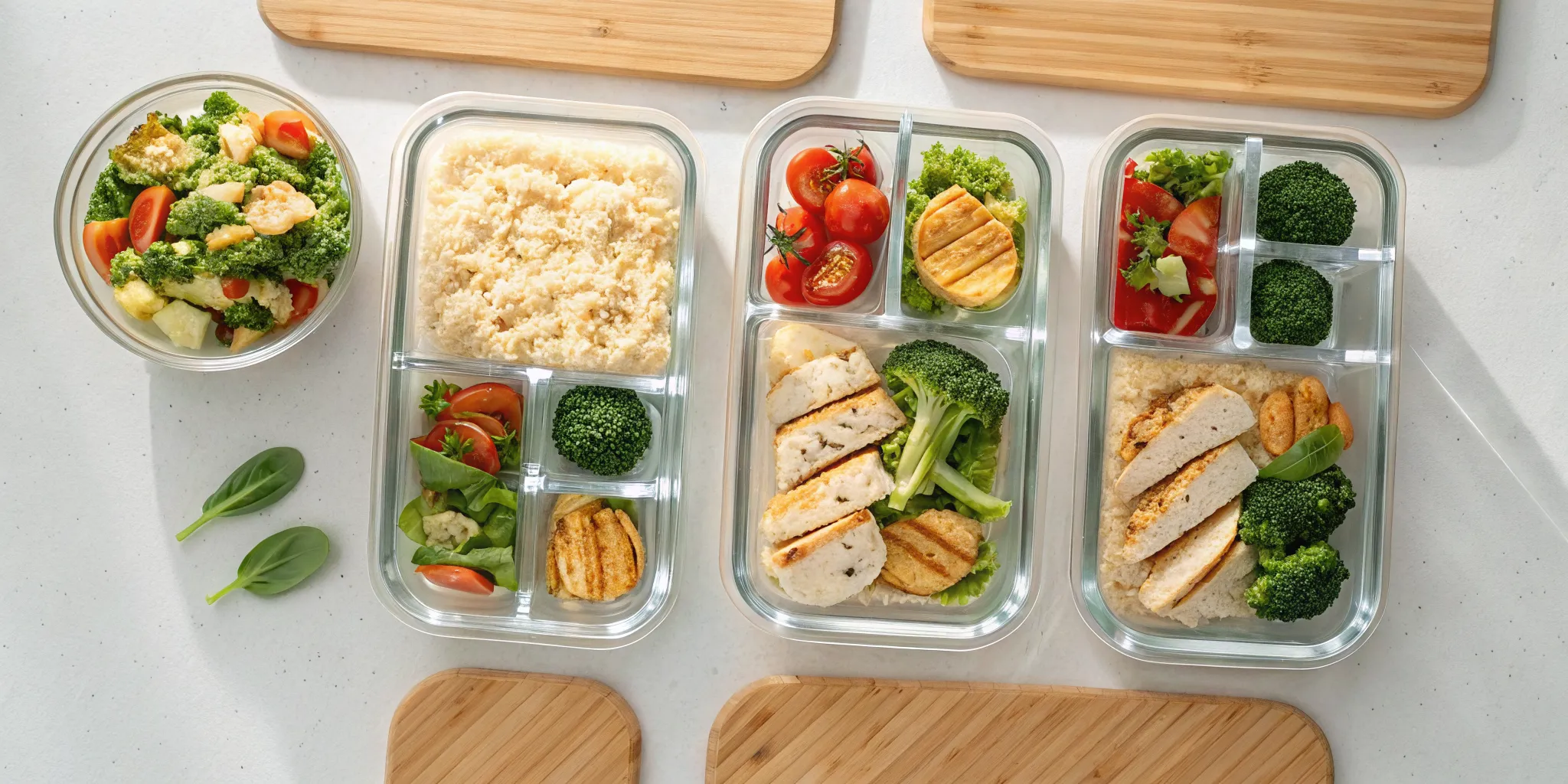
Feeding a family often means catering to a wide range of tastes. You might have a picky eater, a hungry teen, and a toddler all at the same table. Making everyone happy without cooking three different dinners can feel impossible, especially when you’re watching your spending. This guide is designed to simplify your life. We’ll share flexible recipes and build-your-own meal ideas that please even the toughest critics. You’ll learn how to create one core meal that everyone can customize. And because every parent needs a backup plan, we’ll also talk about the value of having a trusted spot for delicious family meals to go on a budget.
Key Takeaways
- Plan your meals to save time and money: Create a simple weekly menu based on grocery sales, shop with a list, and get creative with leftovers to reduce weeknight stress and cut down on costs.
- Stock your kitchen with flexible ingredients: Keep affordable staples like beans, pasta, and frozen vegetables on hand. This allows you to create customizable meals, such as taco bars or sheet pan dinners, that please everyone in the family.
- Use simple cooking methods to create great flavor: You don't need expensive ingredients for a delicious meal. Techniques like roasting vegetables and using a slow cooker for tougher cuts of meat can make budget-friendly foods taste amazing.
What Defines a Budget-Friendly Family Meal?
When we talk about a "budget-friendly" family meal, it’s about more than just the price tag on your grocery receipt. It’s about getting the most value out of every dollar without sacrificing flavor or quality. A truly budget-friendly meal is one that leaves everyone at the table feeling full and happy, uses smart ingredients that stretch your budget, and doesn’t create a ton of food waste. It’s the kind of meal that works for picky toddlers and hungry teens alike.
Think of it as a puzzle: you’re fitting together nutrition, taste, and cost. The best budget meals often rely on versatile pantry staples and clever cooking techniques rather than expensive, specialty ingredients. They’re flexible enough to adapt to what’s on sale at the grocery store this week or what you already have in the fridge. And on those nights when you just don’t have the time or energy to solve the puzzle, having a delicious, affordable takeout option in your back pocket is part of a smart meal strategy, too. That’s where we come in at Notch8 Carolina Kitchen, serving up Southern comfort that feels like a home-cooked meal without any of the work.
Nutritious ingredients that don't break the bank
Eating well on a budget starts with smart ingredient choices. You don’t need fancy superfoods to make a nutritious meal. It’s all about being flexible and resourceful. For example, many recipes allow you to swap proteins based on what’s on sale, so you can use chicken thighs instead of breasts or ground turkey instead of beef. Don’t overlook the power of frozen vegetables; they’re picked at peak freshness, are just as nutritious as fresh, and let you enjoy produce like peas and corn year-round without the premium price. Canned beans and lentils are also inexpensive powerhouses of protein and fiber that can bulk up any meal.
Portion sizes that satisfy everyone
One of the biggest challenges with family meals is making sure everyone gets enough to eat without making so much that you’re left with wasted food. A great strategy is to serve meals "family-style" or create build-your-own stations. Think taco nights, baked potato bars, or pasta bowls where everyone can choose their own toppings. This approach lets family members customize their plates and take portions that match their appetite. It caters to individual preferences and helps manage portion sizes effectively, ensuring everyone from the little ones to the grown-ups leaves the table satisfied and you’re not scraping untouched food into the trash.
Meals that appeal to different ages
Finding one meal that pleases everyone can feel impossible, but focusing on customizable dishes is a game-changer. Meals with a versatile base, like pasta, rice bowls, or homemade pizza, are perfect because they can be adapted to suit different tastes. You can set out a variety of simple toppings and sauces, allowing kids to stick with what they know while adults can add more complex flavors. This strategy works because it uses inexpensive staples like grains and lets a small amount of meat or veggies go a long way. These family-friendly meals are not only cost-effective but also get everyone involved in building their own perfect plate.
Plan Family Meals to Save Money
Getting a handle on your food budget starts long before you step into the kitchen. A little bit of planning can make a huge difference, not just for your wallet but for your weeknight stress levels. When you have a plan, you’re less likely to make last-minute, expensive decisions. Of course, some nights you just need a break from cooking. For those times, a comforting, ready-made meal from our menu is the perfect backup plan. For all the other nights, these strategies will help you feed your family well without overspending.
Weekly meal planning strategies
The key to successful meal planning is to keep it simple. You don't need a complicated spreadsheet. A great starting point is to plan one meal from a few key categories each week, like a pasta night, a chicken dish, and a soup or stew. This approach gives you variety so no one gets bored, and it makes creating your grocery list much more straightforward. A simple meal planning template can help you get organized and stay on track without feeling overwhelmed.
Smart grocery shopping with sales and lists
Once you have your meal plan, stick to your list at the grocery store. A great way to save is by building your meals around what’s on sale. If chicken thighs are cheaper than breasts this week, swap them in your recipe. It’s also smart to stock up on pantry staples like pasta, rice, and canned goods when they go on sale. Having these on hand gives you a foundation for countless quick and affordable meals, making weeknight dinners much easier to pull together.
Use leftovers creatively in new meals
Don't let leftovers go to waste. Think of them as a head start on your next meal. Leftover roasted chicken can be shredded for tacos, added to a soup, or tossed into a salad for a quick lunch. Extra rice and vegetables can easily become a delicious fried rice dish the next day. Even small amounts of leftover meat or veggies can be used in omelets or quesadillas. Getting creative with leftovers not only saves money but also cuts down on your cooking time during the week. It’s a win-win for your budget and your schedule.
Manage your pantry to prevent waste
An organized pantry is a budget-friendly pantry. Before you shop, take a quick inventory of what you already have to avoid buying duplicates. You can also get more out of your ingredients by using every part, like making bone broth from scraps. Leaning on simple cooking methods also helps. Sheet-pan meals are fantastic because they use minimal dishes and can be adapted to whatever vegetables and protein you have on hand, ensuring nothing goes to waste.
Stock Your Kitchen with Versatile Ingredients
A well-stocked kitchen is your secret weapon for making delicious, budget-friendly family meals without the stress. When you have a solid foundation of versatile ingredients on hand, you can pull together a satisfying dinner even when you haven't had time to plan. It’s not about having a pantry overflowing with specialty items; it’s about having the right building blocks ready to go. This simple strategy saves you from those last-minute, expensive trips to the grocery store and gives you the flexibility to create something wonderful with what you already have.
Think of your kitchen staples as your core meal-making kit. With the right proteins, grains, vegetables, and pantry essentials, you’re always just a few steps away from a home-cooked meal. Keeping these items on your shopping list ensures you can adapt to busy schedules and picky eaters alike. It’s the best way to set yourself up for success, turning "What's for dinner?" into an easy question to answer. Plus, when you’re not starting from scratch every single night, you’ll find that cooking becomes a lot more enjoyable.
Versatile proteins like beans, eggs, and rotisserie chicken
Protein is often the most expensive part of a meal, but it doesn’t have to be. Keeping affordable, versatile options on hand makes it easy to build a filling dinner. Canned beans, like black beans and chickpeas, are fantastic for adding protein and fiber to soups, salads, and tacos. Eggs are another powerhouse, perfect for a quick scramble, frittata, or even breakfast-for-dinner. And don't overlook the convenience of a store-bought rotisserie chicken. It’s a brilliant shortcut for busy nights and can be used to create several budget meals for your family, from chicken salad sandwiches to quick pasta dishes.
Staple grains, rice, and pasta
Grains are the foundation of countless satisfying and inexpensive meals. Keeping your pantry stocked with basics like rice, pasta, oats, and quinoa means you always have a starting point for dinner. These ingredients are incredibly flexible and can be used to stretch more expensive items, like meat, a lot further. A simple pasta bake, a flavorful rice bowl, or a hearty oatmeal for dinner can be both comforting and easy on your wallet. Buying these staples in larger quantities can also lead to significant savings over time, making them a smart investment for any family kitchen.
Frozen vegetables and seasonal produce
Frozen vegetables are a budget-conscious cook’s best friend. They are picked at peak freshness and flash-frozen, so they retain all their nutrients without the risk of spoiling in your fridge. Having bags of frozen peas, corn, broccoli, and spinach on hand means you can add a healthy element to any meal in minutes. Plus, you only use what you need, which helps minimize food waste. When buying fresh, stick to seasonal produce, as it’s usually more affordable and flavorful. Many cheap dinner recipes are flexible, allowing you to swap in whatever vegetables you find on sale or have waiting in the crisper.
Pantry essentials for recipe flexibility
A well-stocked pantry is what ties everything together, turning basic ingredients into a meal that tastes amazing. These are the workhorses of your kitchen: cooking oils, vinegars, onions, garlic, canned tomatoes, broths, and a good selection of dried herbs and spices. Having these items ready means you can create sauces, dressings, and flavor bases without an extra trip to the store. When you see these pantry and freezer staples on sale, it’s a great time to stock up. This approach simplifies meal planning and gives you the freedom to be creative with the ingredients you have.
Quick Family Meals You Can Make for Under $10
Feeding a family on a tight budget can feel like a puzzle, but it doesn't have to mean sacrificing flavor or fun. With a little creativity, you can whip up satisfying dinners that leave everyone happy and keep your wallet full. These ideas are perfect for those busy weeknights when you need a simple win. And for the nights you need a complete break from the kitchen, you know where to find us for some Southern comfort at Notch8 Carolina Kitchen.
One-pot pasta dishes
One-pot pasta dishes are a weeknight hero. Everything, including the pasta, cooks together in a single pot, which means minimal cleanup and maximum flavor. You can stretch your budget by using inexpensive ingredients like grains and pantry staples, and you often need less meat to make a hearty meal. Think creamy tomato pasta with spinach or a zesty lemon and chicken pasta. These frugal, family-friendly meals are easy to adapt with whatever you have on hand, making them a go-to for a cheap, delicious dinner.
Sheet pan dinners with vegetables and protein
Sheet pan dinners are the definition of simple cooking. Just chop your favorite vegetables and a protein, toss them with a little oil and seasoning, and roast everything on a single pan. This method is fantastic for creating a balanced meal with very little effort. You can use chicken thighs, sausage, or even chickpeas as your protein alongside colorful veggies like broccoli, bell peppers, and sweet potatoes. It’s a perfect way to get a nutritious dinner on the table quickly, and the easy cleanup is a huge bonus for any busy parent.
Build-your-own meal nights like tacos and salad bars
Turn dinner into a fun activity with a build-your-own meal night. Setting up a taco or salad bar lets everyone in the family customize their plate exactly how they like it. Just place all the toppings and main ingredients in separate bowls and let everyone assemble their own creation. This approach is not only engaging for kids but also incredibly economical. You can use ground meat, beans, or shredded chicken as a base, with affordable toppings like lettuce, cheese, salsa, and corn. These cheap dinner recipes are a guaranteed hit for even the pickiest eaters in the family.
Slow cooker and crockpot favorites
Let your slow cooker do the heavy lifting on busy days. These meals are often called "dump and go" recipes for a reason: you can toss all your ingredients in the pot in the morning and come home to a delicious, ready-to-eat dinner. Think pulled pork, hearty stews, or chicken and vegetable soup. Using a slow cooker is a great way to tenderize tougher, more affordable cuts of meat, helping you save money without sacrificing flavor. It’s the ultimate tool for preparing a hearty meal with minimal effort.
Breakfast for dinner options
Who says you can't have breakfast for dinner? Serving up pancakes, scrambled eggs, or French toast is a fun way to break out of the dinner routine. It’s also one of the most budget-friendly meal options out there, since breakfast foods are typically much cheaper per serving than traditional dinner ingredients. You can make it a complete meal by adding a side of bacon or sausage and some fresh fruit. This simple switch is a great way to save money while still putting a satisfying and kid-approved dinner on the table.
Adapt Budget Meals for Any Dietary Need
Feeding a family often means juggling different tastes and dietary needs. One person might be vegetarian, another avoids gluten, and you might have a picky eater who inspects every single green vegetable. It can feel like you’re running a short-order kitchen, but catering to everyone doesn’t have to be complicated or expensive. With a few smart strategies, you can create one core meal that everyone can adapt to their liking.
This approach saves you time, reduces stress, and ensures everyone leaves the table happy and full. Instead of making three different dinners, you can focus on a single, flexible meal plan. It’s all about using versatile ingredients and letting each person customize their plate. From simple ingredient swaps to build-your-own meal bars, you can easily make budget-friendly dinners work for everyone.
Vegetarian and vegan ingredient swaps
Making a meal vegetarian or vegan is often as simple as a one-for-one swap. You don't need to buy expensive meat substitutes to create a satisfying dish. Instead, look to your pantry for budget-friendly plant proteins. For recipes that call for ground meat, like chili or pasta sauce, you can easily swap in lentils or chickpeas for a hearty, flavorful alternative. Black beans and mushrooms also work wonderfully to create a "meaty" texture. Many classic Southern sides can be made vegan by using vegetable broth instead of chicken stock and olive oil instead of butter. These simple changes keep your meals inclusive without adding to your grocery bill.
Gluten-free alternatives that don't cost extra
Going gluten-free on a budget is entirely possible when you focus on foods that are naturally free of gluten. Instead of spending money on specialty gluten-free pastas or breads, lean on affordable staples like rice, quinoa, potatoes, and corn. A delicious stew or curry served over a bed of fluffy rice is a perfect example of a naturally gluten-free meal. You can also use corn tortillas for tacos or enchiladas instead of flour-based ones. Many of our favorite Southern comfort foods, like slow-cooked collard greens or grilled chicken, are already gluten-free, making it easy to build a meal around them without extra cost.
Build-your-own meal strategies for picky eaters
One of the best ways to please a picky eater is to give them a sense of control over their food. A "build-your-own" meal night is a perfect solution. For dishes like tacos, nachos, or baked potatoes, you can set out all the components in separate bowls and let everyone assemble their own plate. This strategy works for so many meals: personal pizzas on English muffins, salad bars with various toppings, or pasta night with a choice of sauces and mix-ins. When kids get to choose what goes on their plate, they are more engaged and much more likely to eat their dinner without a fuss.
Customizable base recipes for various preferences
Planning your weekly meals around a few customizable base recipes can be a game-changer. Think of your meals in broad categories like pasta, Mexican-inspired dishes, or soups. For example, you can make a big pot of tomato sauce and let family members add their preferred protein, whether it’s meatballs, grilled chicken, or white beans. A simple soup broth can be customized with different vegetables, noodles, or toppings. This approach streamlines your cooking process because you’re not starting from scratch every night. You can find tons of frugal, family-friendly meal ideas online that are designed to be flexible and easily adapted for everyone at the table.
Make Family Meals in 30 Minutes or Less
Between school pickups, work deadlines, and after-school activities, finding the time and energy to cook a family dinner can feel like a huge challenge. The good news is that you don’t need to spend hours in the kitchen to put a delicious, satisfying meal on the table. With a few smart strategies, you can get dinner done in 30 minutes or less, leaving more time for what really matters: enjoying your family. It’s all about working smarter, not harder.
By adopting a few new habits like quick prep techniques, making some components ahead of time, and relying on simple cooking methods, you can completely change your weeknight dinner routine. These tips are designed to be practical and easy to fit into a busy schedule. And for those nights when even 30 minutes feels impossible, remember you can always order online for some of our Southern comfort food to-go. But for the nights you’re cooking, these ideas will help you get a great meal on the table fast.
Quick prep techniques and shortcuts
One of the best ways to speed up cooking is to lean on a few clever shortcuts. You don’t have to make everything from scratch every single night. Give yourself permission to use pre-cooked or pre-prepped ingredients. A rotisserie chicken, for example, is a fantastic starting point for countless quick dinners. Shred it for tacos, add it to pasta, or use it to make a quick chicken salad. Don’t shy away from the produce aisle’s pre-chopped vegetables or the freezer section’s frozen veggies, which are just as nutritious as fresh ones. Using simple, inexpensive ingredients is key to creating family favorites without the fuss.
Make-ahead components that save time
Spending a little time on the weekend to prep can save you a ton of time during the week. Think of it as giving your future self a gift. You can cook a big batch of grains like rice or quinoa, chop vegetables like onions and peppers, or even make your own flavorful bone broth to use in soups and stews. Having these components ready to go means you’re just assembling, not starting from zero. This is also where leftovers become your best friend. When you make a meal, consider doubling the recipe. Enjoying it again the next day for lunch or dinner is the ultimate time-saving strategy that also cuts down on food waste.
Simple cooking methods for busy weeknights
When you’re short on time, choose cooking methods that are mostly hands-off. Slow cookers are perfect for this; you can just add your ingredients in the morning and come home to a fully cooked meal. Sheet pan dinners are another weeknight hero. Just toss your protein and vegetables with some oil and seasonings, spread them on a baking sheet, and pop it in the oven. This method not only develops amazing flavor but also means you only have one pan to clean. These simple cooking methods let you step away from the stove, giving you a few precious minutes to catch up with your family or just relax before dinner.
Batch cooking strategies for the week
Batch cooking is a game-changer for busy families. The idea is simple: cook a large quantity of a base ingredient, then use it in different meals throughout the week. For example, you could cook a big batch of seasoned ground beef. On Monday, use it for tacos. On Wednesday, mix it with marinara for a quick pasta sauce. On Friday, sprinkle it over nachos. This approach ensures you have variety in your meals, so no one gets bored. A little bit of planning allows you to create several distinct meals from one cooking session, saving you time and mental energy every single night.
Minimize Food Waste and Maximize Your Budget
Let’s be honest, finding a science experiment in the back of the fridge is never fun. Wasted food feels like throwing money directly into the trash can. But with a few simple habits, you can stretch your grocery budget further and make sure all that delicious food you buy actually gets eaten. It’s all about working smarter, not harder, in the kitchen. By planning ahead and getting creative, you can cut down on waste significantly. And for those nights when the plan falls apart, remember that a perfectly portioned meal from Notch8 Carolina Kitchen means zero food waste and a happy family. These strategies will help you get the most value out of every grocery trip, keeping both your wallet and your pantry full.
Proper food storage techniques
How you store your groceries can make a huge difference in how long they last. Keeping fruits and vegetables in the right spots can extend their freshness by days or even weeks. For example, store potatoes and onions in a cool, dark place, but keep them separate so the onions don’t cause the potatoes to sprout. Store leafy greens with a paper towel in the bag to absorb excess moisture. Learning a few food storage basics helps you use what you buy. Organizing your fridge with older items in the front also ensures they get used first. A little organization goes a long way in preventing food from getting lost and forgotten.
Creative ways to repurpose ingredients
Leftovers don't have to be boring. Thinking of them as ingredients for a whole new meal can be a game-changer. That leftover roasted chicken from Sunday dinner can become the star of chicken salad sandwiches for lunch or a hearty chicken noodle soup. Have some roasted vegetables? Toss them into a frittata or a pasta dish. You can even designate one night a week as a "use-it-up" night, where you create a buffet-style meal from all the odds and ends in the fridge. It’s a fun way to clean out the refrigerator before your next grocery run and discover some new favorite meal combinations.
Plan portions to avoid excess
One of the easiest ways to reduce food waste is to cook the right amount of food in the first place. While it’s tempting to make a huge batch, knowing your family’s typical portion sizes can prevent you from having an overwhelming amount of leftovers. Before you start cooking, think about who will be eating and how hungry they are. If you do end up with extra, pack it up immediately into single-serving containers for easy grab-and-go lunches. This makes leftovers feel intentional rather than like something you have to deal with later. Planning portions helps you manage your food supply and your budget more effectively.
Seasonal shopping and bulk buying tips
Shopping for produce that’s in season is a fantastic way to get the best flavor at the lowest price. When you find a great deal on seasonal fruits or vegetables, you can buy a little extra and preserve it. Learning how to properly freeze leftovers or fresh produce allows you to enjoy those flavors long after the season is over. Bulk buying can also be a great money-saver, but only for items you know you’ll use before they expire, like grains, beans, or canned goods. For perishable items, it’s often better to buy smaller quantities more frequently to ensure they don’t go bad before you can use them.
Must-Have Kitchen Tools for Saving Money
Having the right tools in your kitchen can make a huge difference when you’re trying to stick to a budget. You don’t need a kitchen full of expensive, single-use gadgets. Instead, a few key items can help you cook more efficiently, reduce food waste, and make preparing meals at home feel less like a chore. Investing in quality, versatile tools means you’ll save money over time by eating out less and throwing away less food. Think of these as your partners in creating delicious, affordable family meals.
Essential equipment for efficient cooking
The right tools make cooking faster and more enjoyable, which is half the battle on a busy weeknight. A sharp, high-quality chef's knife is probably the most important tool in any kitchen. It makes chopping vegetables, herbs, and proteins quicker, safer, and more precise. When prep work is easy, you’re more likely to cook from scratch. A good knife also helps you use more of your ingredients, like getting every last bit of goodness from a bell pepper, which cuts down on waste. Another workhorse is a food processor. It can shred a block of cheese in seconds, slice vegetables evenly, or whip up a homemade pesto from leftover herbs, saving you money on pre-packaged items.
Storage solutions for meal prep and leftovers
One of the biggest ways to save money is by eating your leftovers and preventing food from spoiling. Good storage is key. A set of reusable glass containers is a fantastic investment. They keep food fresher for longer than flimsy plastic, and you can easily see what’s inside, so you won’t forget about last night’s dinner. They’re perfect for packing lunches or storing prepped ingredients for the week. Another simple swap is using silicone baking mats instead of disposable parchment paper or aluminum foil. They’re non-stick, easy to clean, and can be used over and over again for everything from roasting vegetables to baking cookies, saving you money with every use.
Time-saving gadgets that reduce costs
Some gadgets aren't just about convenience; they actively help you save money by preventing costly cooking mistakes. An instant-read thermometer is a perfect example. It takes all the guesswork out of cooking meats and poultry, ensuring you don’t overcook an expensive steak or have to throw out undercooked chicken. Perfect results mean no wasted food. A slow cooker is another budget-friendly champion. It excels at turning tougher, less expensive cuts of meat into tender, flavorful meals. You can set it in the morning and come home to a ready-to-eat dinner, which makes it much easier to resist the temptation of takeout after a long day.
Simple Tricks to Make Budget Meals Taste Amazing
Eating on a budget doesn't mean you have to settle for bland or boring meals. At Notch8, we believe that great flavor is at the heart of every memorable dish, no matter the cost. With a few simple tricks up your sleeve, you can turn inexpensive ingredients into a meal that tastes like a million bucks. It’s all about knowing how to work with what you have to create something truly delicious and satisfying for your family.
Seasoning and spice combinations
A well-stocked spice rack is your secret weapon. You don’t need anything fancy; basics like garlic powder, paprika, and Italian seasoning can transform simple ingredients. Feel free to make smart swaps, like using dried herbs instead of fresh ones to save money and reduce waste. A teaspoon of dried oregano often works just as well as a handful of fresh leaves. You can also use flavorful shortcuts like store-bought salsa or a good marinade to add a punch of flavor without extra effort. Building a basic spice kit is the first step to making every meal taste incredible.
Simple cooking techniques that enhance flavor
How you cook is just as important as what you cook. Simple techniques can bring out amazing flavor in basic foods. Roasting vegetables on a sheet pan until they’re caramelized brings out their natural sweetness, making them a family favorite. A slow cooker can turn tougher, less expensive cuts of meat into tender, fall-apart masterpieces. These methods are mostly hands-off, which is a huge win on busy weeknights. A great family meal doesn't have to be complicated; it’s about creating something warm and comforting that brings everyone together. These easy cooking methods help you do just that.
Make meals feel special without extra cost
A little creativity can make any dinner feel like an event. Try setting up a "build-your-own" bar for tacos, baked potatoes, or personal pizzas. Putting all the toppings in separate bowls lets everyone customize their plate, which is always a hit with kids. Another fun and frugal idea is having breakfast for dinner. Pancakes and eggs are often cheaper per serving than traditional dinner proteins, and who doesn't love "brinner"? It’s a simple way to break up the routine and create a fun memory. It proves that connection and enjoyment are the most valuable ingredients.
Related Articles
- Family Meal Deals Under $20 – Notch 8 Kitchen Blog
- 15+ Family Meal Deals Under $20 (2026 Guide) — Notch8 Carolina Kitchen
- The Best Cheap Family Meals to Go for Your Budget — Notch8 Carolina Kitchen
Frequently Asked Questions
What's the biggest mistake people make when trying to cook on a budget? The most common pitfall is thinking you have to be perfect. People often create rigid, complicated meal plans that are impossible to stick with, then feel like they've failed and order expensive takeout. The key is flexibility. Start with a simple plan for just three or four meals a week, and always have a backup plan, like a simple pantry meal or an affordable local spot for those nights when life gets in the way.
My kids are so picky. How can I make one meal work for everyone? The "build-your-own" meal is your best friend here. It gives kids a sense of control and makes dinner feel more fun. Think beyond taco night; you can do this with baked potato bars, personal pizzas on English muffins, or pasta bowls with different sauces and toppings. You make one set of core components, and everyone assembles a plate they'll actually enjoy, which saves you from playing short-order cook.
If I can only buy a few versatile ingredients to get started, what should they be? To get the most value, I'd start with eggs, canned beans, and frozen vegetables. Eggs are an inexpensive protein you can use for any meal of the day. Canned beans can be added to soups, salads, or tacos to make them more filling. And frozen vegetables are just as nutritious as fresh ones, last for months, and can be tossed into almost any dish, from pasta sauce to a simple stir-fry.
How can I get my family excited about eating leftovers? The trick is to stop calling them "leftovers" and start thinking of them as ingredients for a new meal. Instead of just reheating last night's dinner plate, transform the components. For example, leftover roasted chicken can become the filling for quesadillas, the protein in a soup, or the star of a chicken salad sandwich. When the food looks and tastes different, it feels like a brand new meal, not a repeat.
I try to meal plan, but some nights I'm just too exhausted to cook. What then? That's completely normal, and it's smart to plan for it. Part of a successful meal strategy is knowing when you need a break. Instead of scrambling and making a last-minute, expensive choice, build a "no-cook" night into your week. Having a go-to, affordable takeout option you feel good about, like our Southern comfort food at Notch8, isn't a failure of your plan; it's a smart part of it.