
Easy Baked Mac and Cheese for 2 (So Creamy!)
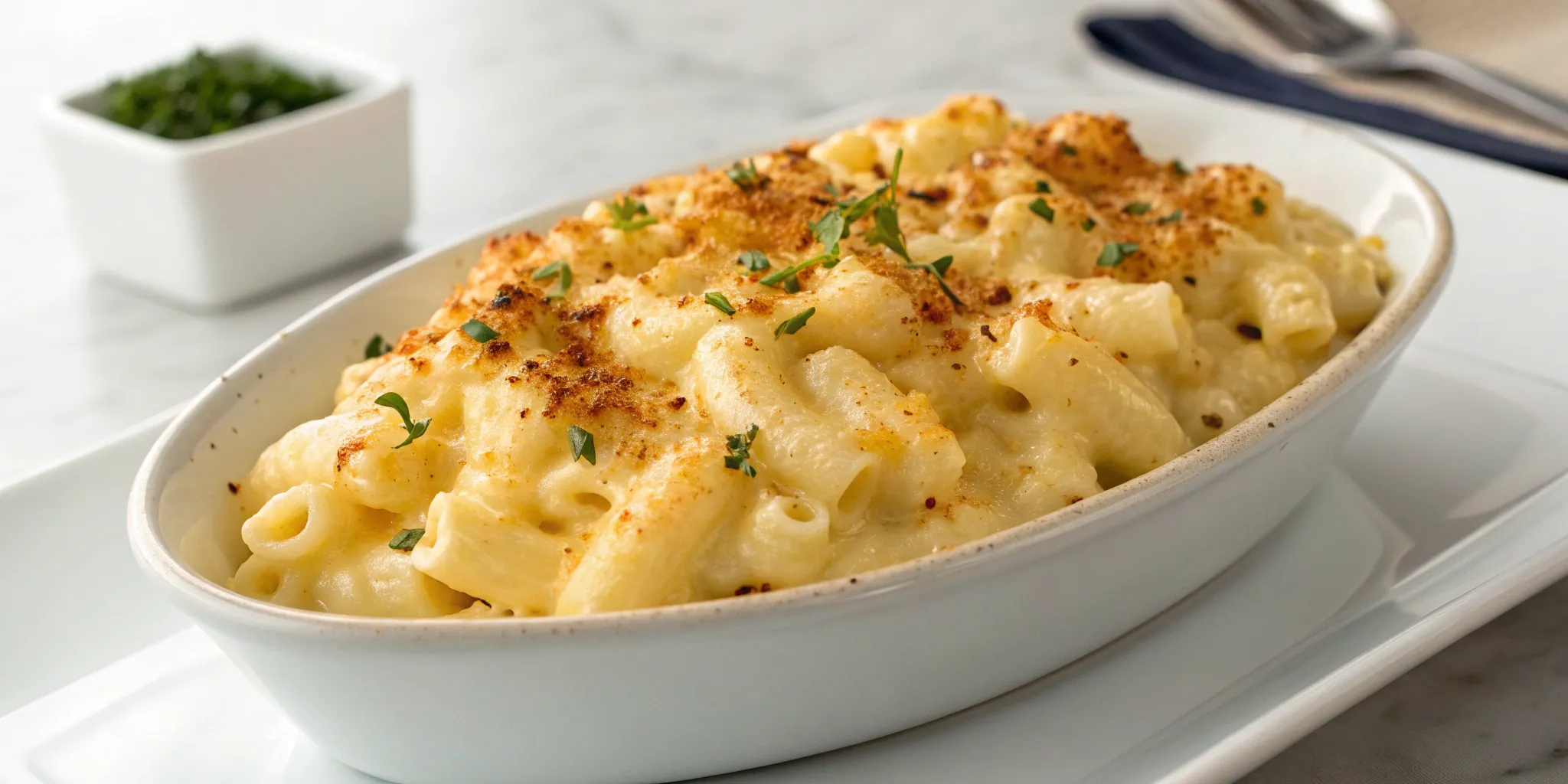
Let’s be honest, we’ve all had mac and cheese that was just okay. Maybe the sauce was a little grainy, the pasta a bit mushy, or it lacked that deep, cheesy flavor you were craving. The difference between a decent dish and an unforgettable one comes down to a few simple techniques that professional kitchens use every day. Here at Notch8, we’ve spent years perfecting our Southern classics, and we believe everyone deserves to know the secrets. This guide will show you how to sidestep the common mistakes and master the details, helping you create a flawless baked mac and cheese for 2 right in your own kitchen.
Key Takeaways
- Master Your Sauce with Temperature Control: To get a perfectly smooth, non-grainy cheese sauce, always take your pan off the heat before stirring in the shredded cheese. This simple step prevents the cheese from overheating and ensures a velvety texture.
- Shred Your Own Cheese for a Superior Melt: Skip the pre-shredded bags, which contain starches that hinder melting. Grating a block of cheese yourself is the single best way to achieve a rich, creamy sauce without any powdery residue.
- Soak, Don't Boil, Your Pasta: For a perfect al dente texture that won't get mushy in the oven, soak your macaroni in salted hot water for about 30 minutes. This technique allows the pasta to hydrate evenly before baking.
What Makes the Perfect Baked Mac and Cheese for Two?
There’s something special about a dish that’s perfectly portioned for two. Whether it’s for a quiet date night or just a cozy weeknight meal, baked mac and cheese hits all the right comfort food notes. But what takes it from good to unforgettable? It comes down to a few key things: using the right ingredients, making just enough to enjoy without being wasteful, and committing to the oven for that perfectly crispy, golden-brown top.
When you get these elements right, you create a dish that’s creamy, cheesy, and full of flavor. It’s the kind of meal that feels like a warm hug on a plate. Let’s walk through what makes this small-batch recipe a standout.
Your Essential Ingredient Checklist
The secret to incredibly creamy mac and cheese starts with the cheese itself. For the best flavor, I recommend a blend of sharp cheddar and parmesan. The cheddar brings that classic, tangy mac and cheese taste, while the parmesan adds a salty, nutty depth. The most important rule? Always shred your own cheese. Pre-shredded cheeses contain anti-caking agents that prevent them from melting into a smooth, velvety sauce. Taking a few extra minutes to grate a block of cheese is the single best thing you can do for your dish.
Why a "For Two" Recipe Is Better
A small-batch recipe is your best friend when you want a home-cooked meal without committing to a week of leftovers. It’s designed to give you two generous, satisfying portions. This approach also encourages you to use fresh ingredients to create something truly delicious from scratch, which is always better than the artificial stuff you might find in a box. It’s all about quality over quantity, making your meal feel a little more special and intentional.
Stovetop vs. Baked: Why Baking Wins
While a stovetop mac and cheese is quick, a baked version is a completely different experience. Baking is what gives you that irresistible golden crust on top. That crispy, cheesy layer adds a wonderful texture that contrasts beautifully with the creamy pasta underneath. It’s this final step in the oven that turns a simple dish into something truly comforting and satisfying. This baked mac and cheese method is perfect for making a simple dinner feel like a special occasion.
How to Make Creamy Baked Mac and Cheese from Scratch
Making incredible mac and cheese at home is easier than you think. It’s all about a few key techniques that guarantee a creamy, cheesy, and perfectly baked result every single time. Forget the boxed stuff; this guide will walk you through creating a dish that tastes like it came straight from a Southern kitchen. The goal is a rich, velvety cheese sauce that clings to every noodle, all topped with a golden, bubbly crust. If you follow these steps, you’ll have a restaurant-quality mac and cheese for two that’s perfect for a cozy night in. And if you’d rather we handle the cooking, you can always find our classic version on the Notch8 menu. We’ve spent years perfecting our recipe, and we’re happy to share a few of our secrets with you.
Start with a Smooth Roux
A truly great mac and cheese begins with a flawless cheese sauce, and the secret to that is a simple roux. Don't let the fancy name intimidate you; it's just a paste made from equal parts melted butter and flour. Melt your butter in a saucepan over medium heat, then whisk in the flour until it's completely smooth. Let it cook for about a minute, stirring constantly, until it smells a little nutty and turns a light golden color. This simple step is what will thicken your sauce, giving it that rich, velvety consistency you're aiming for and preventing it from being thin or watery.
Soak Your Pasta (Don't Boil It)
Here’s a little trick that makes a huge difference: soak your pasta instead of boiling it. It might sound strange, but trust me on this one. Just place your macaroni in a large bowl and cover it completely with boiling water and a good pinch of salt. Let it sit for about 30 minutes, giving it a stir every now and then so the pieces don't stick together. This soaking method allows the pasta to hydrate perfectly without becoming mushy, ensuring it cooks to a perfect al dente texture in the oven while absorbing the cheese sauce.
Build a Grain-Free Cheese Sauce
Now for the best part: the cheese. To get a sauce that's silky smooth and not at all grainy, take the saucepan with your roux completely off the heat. This is the most important step! If the base is too hot when you add the cheese, the fats can separate and create a gritty texture. Stir in your freshly shredded cheese a handful at a time until it’s completely melted. Using pre-shredded cheese is tempting, but the anti-caking agents can ruin that perfect creaminess, so taking a minute to grate your own is always worth it.
Assemble and Bake to Perfection
You're in the home stretch! Gently fold your soaked and drained pasta into that glorious cheese sauce until every noodle is coated. Pour the mixture into a greased baking dish (or individual ramekins for a personal touch). Bake it in a preheated oven at 375°F for about 20-25 minutes. You're looking for a beautifully golden-brown top with the sauce bubbling happily around the edges. Let it rest for a few minutes before diving in. If you want to skip the work and taste our classic Southern version, you can always order online from our kitchen.
Avoid These Common Mac and Cheese Mistakes
We’ve all had mac and cheese that was just… fine. Maybe it was a little dry, a bit grainy, or didn’t have that incredible flavor you were hoping for. The good news is that truly great, creamy baked mac and cheese is easy to achieve when you know which little mistakes to sidestep. Getting these details right will transform your dish from decent to downright delicious, making you feel like a Southern cooking pro in your own kitchen. Let’s walk through the common slip-ups and how to fix them for good.
Why You Should Soak, Not Boil, Your Pasta
This is my favorite trick, and it might sound a little backward, but it works wonders. Instead of boiling your pasta on the stove, you’re going to give it a hot bath. As The Beader Chef explains, you should soak the macaroni in a bowl of boiling water with a little salt for about 30 minutes. A quick stir after five minutes keeps the pasta from sticking. This method allows the macaroni to absorb water slowly, making it perfectly plump and ready for the oven. It prevents the pasta from getting mushy during baking, ensuring the final texture is absolutely perfect.
Keep Your Temperatures in Check for Creaminess
A smooth, creamy cheese sauce is the heart of any good mac and cheese, and temperature control is key. A grainy sauce is often the result of shocking the base with cold ingredients. To avoid this, gently heat your milk in the microwave before adding it to your butter and flour mixture. An even more important tip comes from Food.com: always take the sauce off the heat before you stir in the cheese. This simple step prevents the cheese from overheating and separating, which is what causes that dreaded oily or gritty texture. It guarantees a velvety smooth sauce every single time.
Always Shred Your Own Cheese
I know reaching for that bag of pre-shredded cheese is tempting, but please, put it down! Those convenient shreds are coated with starches like potato starch or cellulose to keep them from clumping in the bag. While that’s great for storage, it’s terrible for your cheese sauce. As The Chunky Chef points out, this coating prevents the cheese from melting as smoothly as it should. Taking a few extra minutes to shred a block of cheese yourself is the single best thing you can do for your mac and cheese. The result is a much creamier, richer sauce without any weird, powdery aftertaste.
Add Your Cheese at the Right Time
Patience is a virtue, especially when you’re making the cheese sauce. Once your butter and flour mixture (the roux) is cooked and you’ve whisked in the warm milk, it’s time for the main event. But don’t just dump all the cheese in at once. The Pioneer Woman’s recipe advises you to add the cheese gradually, stirring until each handful is completely melted before adding the next. This technique ensures every bit of cheese is incorporated smoothly into the sauce. It helps create that perfectly consistent, luscious texture we’re all aiming for, without any lumps or clumps.
Choose the Best Cheeses for Flavor and Melt
The secret to an unforgettable mac and cheese isn't just in the technique; it's all about the cheese. The right combination can turn a simple dish into a rich, flavorful masterpiece. While a block of basic cheddar will get the job done, a thoughtful blend of cheeses is what creates that creamy, gooey texture and deep, complex flavor you crave. Think of it like building a team: you need a strong leader for flavor, a team player for meltiness, and maybe a surprise guest to make things interesting.
Choosing your cheeses is the most creative part of making mac and cheese. Don't be afraid to experiment, but it helps to know what each type of cheese brings to the table. Some cheeses are prized for their sharp, tangy flavor, while others are famous for their ability to melt into a perfectly smooth, stringy sauce. Getting this balance right is key. We're aiming for a sauce that's both incredibly flavorful and luxuriously creamy, coating every single noodle. Let’s break down how to build the perfect cheese blend for your baked mac and cheese for two.
Use Sharp Cheddar as Your Foundation
When you think of classic mac and cheese, you’re probably thinking of the distinct taste of cheddar. For the best flavor, always start with a block of sharp cheddar as your base. Its bold, tangy profile is strong enough to stand out and give your dish that quintessential cheesy punch. As one recipe from The Beader Chef notes, it’s best to "use sharp cheddar cheese for a strong cheese taste." This isn't the place for mild cheddar, which can get lost in the creamy sauce. A good quality sharp or even extra-sharp cheddar will ensure your mac and cheese actually tastes like cheese, providing the perfect foundation to build upon.
Mix Cheeses for Deeper Flavor
While sharp cheddar is a fantastic starting point, the real magic happens when you start mixing in other cheeses. This is how you create a more complex, restaurant-quality flavor that goes beyond the basics. As The Pioneer Woman suggests, you should "feel free to mix different types of cheese for a more complex flavor." Consider adding Gruyère for a nutty, earthy note, or Monterey Jack for a milder flavor and superior meltiness. A little smoked Gouda can add a wonderful smoky depth, while Fontina brings a buttery, rich quality. Combining two or three different kinds will give your mac and cheese a signature flavor that’s all your own.
Add Cream Cheese for Extra Richness
If you’re chasing that ultra-creamy, velvety texture, a little bit of cream cheese is your secret weapon. It melts beautifully into the sauce, adding a subtle tang and an incredible richness that you just can't get from hard cheeses alone. Adding rich ingredients like cream cheese is what makes a sauce "extra smooth, velvety, and rich," ensuring it clings to every noodle. It also acts as an emulsifier, helping to keep your sauce stable and preventing it from becoming grainy or oily. Just a few ounces, softened and whisked into your sauce, will make a world of difference in the final texture.
Get the Cheese-to-Pasta Ratio Right
Finally, let's talk about balance. You can have the best cheese blend in the world, but if you use too much or too little, the dish will fall flat. The goal is to have enough sauce to generously coat the pasta without turning it into a soupy mess. This is especially important in a smaller recipe. A great mac and cheese for two is designed so "you won't have many leftovers," which means every bite counts. A good rule of thumb is to use about one cup of shredded cheese for every cup of dry pasta. This ensures every noodle is enveloped in cheesy goodness without being weighed down.
Make It Your Own: How to Customize Your Mac and Cheese
A great mac and cheese recipe is like a perfect blueprint. It’s solid on its own, but the real fun begins when you start adding your own personal touches. Think of this creamy, cheesy base as your canvas. Whether you’re craving a little extra heat, a savory protein, or a super crunchy topping, there are so many simple ways to make this dish uniquely yours. Here are a few of our favorite ideas to get you started.
Spices That Change the Game
The right spices can completely transform your cheese sauce from good to unforgettable. A small pinch of ground nutmeg is a classic addition that brings out the nutty flavors in the cheese without being overpowering. For a subtle warmth and a beautiful color, try adding a bit of smoked paprika. If you like a little kick, a dash of cayenne pepper or a spoonful of your favorite hot sauce stirred into the sauce will do the trick. Don't be afraid to experiment with garlic powder or a touch of mustard powder to add another layer of savory depth.
Add Your Favorite Proteins and Mix-Ins
Turning your mac and cheese into a full-blown meal is as easy as adding your favorite protein. Crispy, crumbled bacon is a no-brainer, but why stop there? Stir in some shredded BBQ pulled pork for a true Southern comfort classic. Diced grilled chicken, andouille sausage, or even leftover brisket also work beautifully. For a bit of green, you can add sautéed onions, bell peppers, or jalapeños. These delicious mix-ins are a fantastic way to add texture and flavor, making your mac and cheese a hearty, all-in-one dinner.
Try Different Toppings for Extra Crunch
A crunchy, golden-brown topping is the signature of a truly great baked mac and cheese. While classic breadcrumbs are always a good choice, you can get more creative for an even better texture. Try crushing up some buttery crackers, crispy fried onions, or even pork rinds for a savory, salty crunch. Just toss your topping of choice with a little melted butter and sprinkle it over the mac and cheese before baking. This simple step creates a delightful contrast to the creamy pasta underneath and makes every bite more interesting.
Get Creative with Cheese Blends
The cheese is the star of the show, so feel free to play around with different combinations. While sharp cheddar provides that classic, tangy flavor, mixing it with other cheeses adds complexity and improves the melt. For an ultra-creamy sauce, try adding Gruyère, fontina, or Monterey Jack. Smoked Gouda can add a wonderful, deep flavor that pairs perfectly with bacon or pulled pork. A little bit of Parmesan will add a salty, nutty bite. Using a blend of cheeses is the secret to achieving a restaurant-quality flavor and texture right in your own kitchen.
How to Serve, Store, and Reheat Your Masterpiece
You’ve created a perfectly creamy, cheesy dish, and now it’s time for the best part: eating it. But how you serve, store, and reheat your mac and cheese can make all the difference. With just a few simple steps, you can make sure every bite is as delicious as the first, whether you’re enjoying it fresh from the oven or as leftovers the next day. Let’s walk through how to handle your mac and cheese after it comes out of the oven.
Get That Golden, Crispy Top
The best part of baked mac and cheese is arguably the crunchy, golden-brown top layer. To get that perfect finish, you’ll want to use your oven’s broiler. After your mac and cheese has baked through, switch the oven to the broil setting. Place the dish under the broiler for just two to five minutes. Keep a close eye on it, as it can go from golden to burnt very quickly. This final blast of high heat is the secret to creating a beautifully crisp crust that provides a wonderful texture contrast to the creamy sauce underneath.
Find the Perfect Bake Time and Temperature
For a small-batch recipe like this, you don’t need a long bake time. The goal is simply to heat everything through until it’s hot and bubbly and the top is beginning to turn golden. Bake your mac and cheese in a 350°F to 375°F oven for about 20 to 25 minutes. Since you’re making a smaller portion, it will cook faster than a large family-sized casserole. Using individual, oven-safe bowls is a great way to ensure even cooking and give everyone their own crispy edges to enjoy.
Store and Reheat for Great Leftovers
If you happen to have leftovers, storing them correctly is key to enjoying them later. Let the mac and cheese cool completely, then transfer it to an airtight container. It will keep well in the refrigerator for up to four days. When you’re ready to reheat it, the sauce will have thickened considerably. The trick to restoring its original creaminess is to add a splash of milk or cream before heating. You can warm it in the microwave, stirring every minute or so, or gently heat it in a saucepan on the stove over low heat.
What to Serve with Your Mac and Cheese
Mac and cheese is a fantastic main course on its own, but it also shines as a side dish. It pairs beautifully with classic Southern comfort foods. Think about serving it alongside some smoky pulled pork, fried chicken, or a juicy brisket. For a lighter meal, a simple green salad with a vinaigrette or some steamed green beans can cut through the richness of the cheese. If you need some inspiration, check out the Notch8 menu to see how we pair our favorite Southern dishes.
Related Articles
- The Ultimate Old Fashioned Baked Macaroni and Cheese — Notch8 Carolina Kitchen
- 15 Classic Comfort Food Recipes to Make Tonight — Notch8 Carolina Kitchen
- Blog 2 — Notch8 Carolina Kitchen
Frequently Asked Questions
Why did my cheese sauce turn out grainy or oily? A grainy sauce is usually caused by two things: temperature shock or pre-shredded cheese. To keep it smooth, make sure your milk is warm before you add it to the roux. Most importantly, always take the saucepan completely off the heat before you stir in the cheese. This prevents the cheese from getting too hot and separating, which is what creates that oily or gritty texture.
Do I really have to shred my own cheese? I know it feels like an extra step, but it makes all the difference. Bags of pre-shredded cheese are coated in starches to prevent the pieces from clumping together. Unfortunately, those same starches will prevent your cheese from melting into a perfectly smooth, velvety sauce. Taking a few minutes to grate a block of cheese yourself is the single best way to guarantee a creamy result.
Can I prepare this mac and cheese ahead of time? Yes, you can assemble the entire dish a day before you plan to bake it. Just prepare the pasta and cheese sauce, combine them in your baking dish, and let it cool completely. Cover it tightly and store it in the refrigerator. When you're ready to eat, you may need to add about 10-15 minutes to the baking time since you'll be starting with a cold dish.
What are some other cheese combinations that work well? Sharp cheddar is a fantastic foundation, but mixing in other cheeses is where you can get creative. For a nuttier, more complex flavor, try adding some Gruyère. If you want an extra-gooey, melty texture, Monterey Jack is a great choice. For a hint of smokiness that pairs wonderfully with bacon or pulled pork, a little smoked Gouda is perfect.
Is the pasta soaking method necessary? While you can certainly boil your pasta the traditional way, the soaking method is a great trick for baked dishes. It allows the pasta to hydrate gently, so it doesn't get overcooked and mushy in the oven. This ensures your final dish has the perfect al dente texture, where the noodles are tender but still have a slight bite.