
Your Guide to the Best Southern Fried Chicken Sandwich
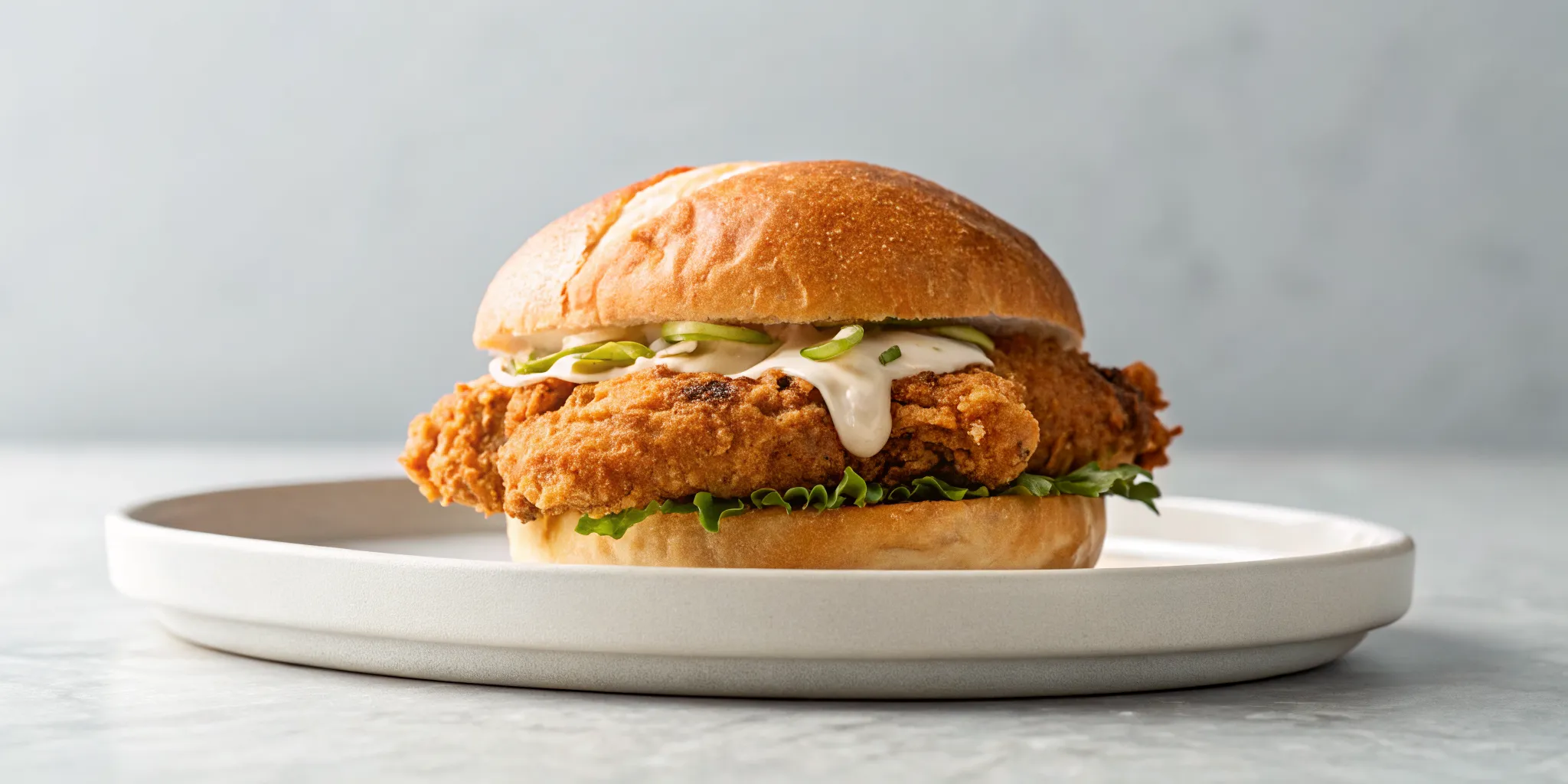
We’ve all been there: you attempt to make fried chicken at home, only to end up with a crust that’s a little soggy or chicken that’s disappointingly dry. It can feel frustrating when your results don’t match the craving that inspired you. The good news is that a few simple, key techniques can completely change your results. This guide is your roadmap to avoiding those common pitfalls. We’ll cover the non-negotiable steps, like a proper buttermilk soak and how to get your flour dredge perfectly seasoned, ensuring your next attempt is a massive success. Get ready to finally create the best southern fried chicken sandwich at home.
Key Takeaways
- Build flavor before you fry: A buttermilk marinade is non-negotiable for juicy, tender chicken. For the crust, generously season your flour and mix in cornstarch to guarantee an extra-crispy texture that stays crunchy.
- Control your frying environment: The key to a non-greasy, golden-brown crust is maintaining a steady oil temperature of 350°F. Fry chicken in small batches to prevent steaming, and always let it rest on a wire rack to keep the bottom from getting soggy.
- Don't neglect the final details: The best sandwiches are built with intention. Toasting your bun adds flavor and creates a barrier against sauce, while simple toppings like tangy pickles and a creamy sauce provide the perfect contrast to the rich fried chicken.
The Anatomy of a Perfect Southern Fried Chicken Sandwich
Building the perfect fried chicken sandwich is an art, but it's one you can definitely master at home. It’s all about getting four key elements just right: the chicken, the crispy coating, the perfect bun, and the final toppings. When each component is given the attention it deserves, they come together to create something truly special. Let's break down the anatomy of a sandwich that’s juicy, crunchy, and packed with flavor in every single bite.
Start with Quality Chicken
It all starts with the star of the show: the chicken. For a super juicy sandwich, I always reach for boneless, skinless chicken thighs. They have a bit more fat, which means more flavor and less chance of drying out when you fry them. Of course, a good chicken breast works too, just be sure to pound it to an even thickness. The real non-negotiable step is the buttermilk soak. This simple marinade tenderizes the meat and gives it that classic Southern tang. A good buttermilk marinade is the foundation of any great fried chicken, infusing it with moisture and flavor from the inside out.
Create the Crispiest Coating
That incredible, audible crunch doesn't happen by accident. The secret is in the breading. After its buttermilk bath, the chicken is ready for a seasoned flour dredge. For an extra-crispy texture that stays crunchy, I like to mix a little cornstarch into the all-purpose flour. This simple trick creates a lighter, crispier crust that shatters when you bite into it. Don't be shy with your seasonings here, either. This is where you can build layers of flavor with salt, black pepper, paprika, and a pinch of cayenne to make your sandwich unforgettable.
Choose the Right Bun
The bun is the foundation that holds everything together, so don't treat it as an afterthought. You need something soft enough to bite through easily but sturdy enough to handle a juicy piece of chicken and all the fixings. A toasted brioche bun is a fantastic choice because its slight sweetness and rich texture complement the savory chicken perfectly. At Notch8, we know how important the bun is, which is why our fried chicken sandwich is served on a bun that’s always up to the task. A good bun truly makes all the difference.
Finish with Toppings and Sauce
This is where you can really make the sandwich your own. Classic toppings are a must for me: crisp lettuce and tangy bread-and-butter pickles provide a perfect contrast in texture and taste, cutting through the richness of the fried chicken. But the sauce is what ties it all together. A creamy, spicy mayo or a sweet and savory honey butter can take your sandwich to the next level. The key is to find a balance that complements the chicken without overpowering it. A simple, well-made sandwich sauce can be the final touch that makes it perfect.
Your Shopping List for the Ultimate Fried Chicken Sandwich
Alright, let's get organized. The secret to a stress-free cooking session is having all your ingredients prepped and ready to go. Before you even think about heating up that oil, let's run through everything you'll need to build the fried chicken sandwich of your dreams. A well-stocked pantry is the first step toward that perfectly crispy, juicy, and flavorful masterpiece. We'll break it down into three parts: the marinade, the coating, and the final assembly. Grab a pen, because you'll want to take this list with you to the store.
For the Buttermilk Marinade
First things first, let's talk about the marinade. This is where you build that deep, savory flavor and ensure your chicken comes out incredibly tender. Buttermilk is the non-negotiable star here. Its natural acidity gently breaks down the proteins in the chicken, resulting in a super juicy bite. It also helps the crispy coating stick like glue. Here’s what to grab:
- Boneless, skinless chicken thighs or breasts: Thighs are my personal favorite for flavor and moisture, but breasts work great too.
- Buttermilk: The full-fat kind is best for a rich marinade.
- Hot sauce: Just a splash adds a subtle background heat and tang.
- Salt: Essential for seasoning the chicken from the inside out.
For the Seasoned Flour
Now for the best part: the crust. A truly great fried chicken sandwich is all about that signature crunch, and the seasoned flour is how you get it. Don't be shy with the seasonings; this is your main opportunity to flavor the outside of the chicken. You'll want to have these items on hand:
- All-purpose flour: This forms the foundation of your breading.
- Cornstarch: This is the secret weapon for an extra-crispy, shatteringly crunchy crust.
- Salt and black pepper: Season generously!
- Paprika, garlic powder, and onion powder: These create a classic, savory flavor profile.
- Cayenne pepper: Add as much or as little as you like for a kick of heat.
For Assembling the Sandwich
Your chicken is perfectly fried and resting, so it's time to build your sandwich. The right components will complement the chicken without overpowering it. A great sandwich is all about balance. To assemble your creation, you'll need:
- Buns: Soft, pillowy brioche buns are a fantastic choice because they can hold up to the crispy chicken and sauce. Toasting them is a must.
- Pickles: Classic dill pickle chips provide a much-needed acidic crunch that cuts through the richness of the fried chicken.
- Sauce: You can go simple with mayonnaise or get creative. A spicy mayo or a tangy comeback sauce are both excellent fried chicken sandwich partners.
How to Marinate Your Chicken for Incredible Flavor
The secret to a truly unforgettable fried chicken sandwich starts long before the chicken hits the fryer. It all begins with the marinade, a simple step that makes a world of difference in both flavor and texture. This is where your chicken transforms from good to great, soaking up all the goodness that defines Southern cooking. Getting this part right is your first step toward sandwich perfection.
Why Buttermilk Is a Must
If there's one non-negotiable ingredient in a Southern fried chicken marinade, it's buttermilk. Its gentle acidity works magic on the chicken, tenderizing the meat until it’s incredibly juicy and soft. This process ensures every bite is succulent, never dry. Beyond tenderizing, the thickness of buttermilk is perfect for helping the seasoned flour coating cling to the chicken. This is how you get that craggy, crispy crust we all crave. It’s a classic technique for a reason, forming the foundation of any authentic fried chicken recipe.
Spices That Make All the Difference
While buttermilk handles the texture, a thoughtful blend of spices is what builds the deep, savory flavor. This is your chance to infuse the chicken with that signature Southern taste from the inside out. You don’t need a complicated list of ingredients to make an impact. A simple combination of salt, black pepper, garlic powder, onion powder, and smoked paprika will create a delicious base. For those who enjoy a little warmth, a pinch of cayenne pepper adds a gentle kick without being overwhelming. Don't be shy with your seasonings; this is a key layer of flavor.
The Ideal Marinating Time
Patience is a virtue, especially when it comes to marinating. For the best results, you should let your chicken rest in the buttermilk marinade for at least four hours. If you can plan ahead, leaving it overnight in the refrigerator is even better, as it gives the flavors more time to penetrate the meat. However, there is such a thing as too much of a good thing. Marinating for longer than 24 hours can cause the acid in the buttermilk to break down the chicken too much, resulting in a mushy texture. If you're short on time, even a quick 30-minute marinade will make a noticeable difference.
How to Create That Perfectly Crispy Crust
Let’s be honest, the best part of a fried chicken sandwich is that incredible, shatteringly crisp crust. It’s the first thing you notice and what makes you want another bite. Achieving that perfect texture at home isn’t about magic; it’s about technique. Getting a crust that’s both flavorful and ridiculously crunchy is totally doable. I’m going to walk you through a few simple, game-changing steps that will make your fried chicken crust the star of the show.
Season Your Flour Generously
Your crust is only as good as the flour you dredge it in, so don't be shy with the seasonings. A bland coating makes for a boring sandwich. I like to start with all-purpose flour and add a generous amount of salt, black pepper, paprika, and garlic powder. Think of it this way: the flour is your last chance to add a big punch of flavor directly to the chicken's exterior. A well-seasoned dredge is a non-negotiable step for authentic Southern fried chicken. Make sure you can see the specks of seasoning in the flour; if it looks plain white, you probably need to add more.
The Secret to Extra Crunch
Want to know the secret to a light, crispy crust that stays crunchy? Add a little cornstarch to your flour mixture. About a quarter cup of cornstarch for every cup of flour does the trick. The cornstarch helps prevent too much gluten from forming, which results in a crispier, lighter coating instead of a tough or chewy one. This simple addition is a professional chef's trick that makes a huge difference in the final texture. It doesn't add any flavor, but it works wonders by absorbing moisture and creating a delicate, brittle crust when it hits the hot oil. It’s a small change in your recipe that delivers a major textural payoff.
Master the "Wet Hand, Dry Hand" Method
This is one of those tips that will make you feel like a pro and save you a major cleanup headache. Designate one hand as your "wet hand" for moving the marinated chicken into the flour. Use your other hand as the "dry hand" to scoop the flour and press it onto the chicken. This simple technique prevents the flour from clumping up on your fingers, ensuring the chicken gets an even coating and you don't end up with what I call "batter gloves." It might feel a little awkward at first, but once you get the rhythm down, you’ll never go back.
Press Firmly for a Craggy Crust
Once your chicken is in the flour, don't just lightly toss it. Use your dry hand to firmly press the flour mixture onto the chicken, making sure it gets into every little nook and cranny. This step is what creates that beautiful, craggy texture we all love. The more uneven, shaggy bits you can create, the more surface area there is to get golden brown and crunchy in the fryer. Think about building layers of coating. You want to create a substantial crust that will hold up to the frying process and provide that satisfying crunch with every single bite. So go ahead, give it a good press.
Keep Some Buttermilk for Texture
When you take your chicken out of the buttermilk marinade, let the excess drip off, but don't dry it completely. That little bit of buttermilk left on the chicken is liquid gold. As you press the chicken into the flour, the moisture will mix with the dry ingredients to create little paste-like clumps. These tiny bits will fry up into extra-crispy, crunchy morsels, giving your crust an amazing, multi-layered texture that is absolutely irresistible. This is how you get those super crunchy bits that fall off and are perfect for snacking on. It’s a small detail that separates good fried chicken from truly great fried chicken.
How to Fry Your Chicken to Golden Perfection
This is the moment of truth. All your marinating and coating efforts lead to this final, glorious step: the frying. Getting this part right is what separates a good fried chicken sandwich from a truly unforgettable one. It’s all about achieving that deep golden-brown color, an unbelievably crispy crust, and perfectly juicy meat inside. The sizzle of the chicken hitting the hot oil, the incredible aroma that fills your kitchen, and the sight of that craggy crust forming is one of the most satisfying experiences in cooking. It might seem intimidating, but with a few key techniques, you can fry chicken like a pro in your own kitchen.
The secret isn’t some complicated, chef-level trick; it’s about controlling a few simple variables. We’re talking about the type of oil you use, the temperature you maintain, and giving the chicken enough space to cook properly. Each detail plays a part in the final texture and flavor. Rushing the process or taking shortcuts here can lead to common pitfalls like greasy, undercooked, or burnt chicken. But don’t worry, I’m here to walk you through it. Follow these steps, and you’ll be well on your way to frying perfection. And hey, if you’d rather leave the frying to us, you can always visit Notch8 Carolina Kitchen for the real deal without the cleanup.
Choose the Right Frying Oil
The oil you choose is the foundation of your fry. You need an oil with a high smoke point, which just means it can get really hot without burning and smoking up your kitchen. Peanut, canola, and vegetable oil are all excellent, affordable choices that won’t interfere with the flavor of your chicken. Their neutral taste lets the seasoned coating and juicy meat be the stars of the show. Stay away from oils with low smoke points, like extra virgin olive oil, as they’ll burn before the chicken is cooked through. This can leave you with a bitter, unpleasant flavor that ruins all your hard work.
Maintain the Perfect Oil Temperature
Temperature control is everything when frying. You’re aiming for a steady 350°F. The best way to monitor your oil temperature is with a deep-fry or candy thermometer clipped to the side of your pot. If the oil is too cool, the chicken will absorb a ton of grease and the crust will be soggy. If it’s too hot, the outside will burn long before the inside is cooked through. Keeping that temperature consistent is the secret to a perfectly cooked piece of chicken that’s crispy on the outside and tender on the inside. It takes a little attention, but the payoff is huge.
Fry in Batches to Avoid Overcrowding
It’s tempting to throw all your chicken in the pot at once, but please, resist the urge. Overcrowding the pot is a surefire way to ruin your crispy crust. When you add too many pieces, the oil temperature drops dramatically, and the chicken ends up steaming instead of frying. This leads to a greasy, pale, and sad crust. To keep your oil hot and your chicken crispy, work in small batches. Frying just two or three pieces at a time gives them plenty of room and helps maintain that crucial 350°F temperature, ensuring every single piece comes out perfectly golden and crunchy.
How to Tell When It's Done
You want your chicken golden brown and delicious, but more importantly, you want it fully cooked. While color is a good indicator, the only way to know for sure is by checking the internal temperature. A few minutes before you think it’s done, carefully insert an instant-read thermometer into the thickest part of the chicken, avoiding the bone if you're using bone-in cuts. According to food safety guidelines, chicken is safe to eat when it reaches an internal temperature of 165°F. This guarantees your chicken is not only delicious but also perfectly safe to serve.
Let It Rest on a Wire Rack
You’ve done it. You’ve pulled a beautiful, crispy piece of chicken from the hot oil. Now, don’t undo your hard work in the final moments. Instead of placing the chicken on a plate lined with paper towels, move it to a wire cooling rack set over a baking sheet. Why? Paper towels trap steam, which will immediately start to soften that crunchy crust you worked so hard to create. A wire rack allows air to circulate all around the chicken, keeping the bottom just as crispy as the top. It’s a simple switch that makes all the difference in maintaining that perfect crunch until you’re ready to assemble your sandwich.
Assemble the Ultimate Southern Fried Chicken Sandwich
You’ve done the hard work. Your chicken is marinated, coated, and fried to a gorgeous golden-brown. Now comes the fun part: putting it all together to create the sandwich of your dreams. The right assembly ensures every bite is a perfect mix of crunchy, juicy, tangy, and soft. Let’s build this masterpiece.
Toast the Perfect Bun
The bun is the foundation of your sandwich, so don’t treat it as an afterthought. A soft, pillowy bun that’s been toasted is the perfect contrast to the crispy chicken. Brioche buns are a fantastic choice because their slight sweetness and rich, buttery flavor complement the savory chicken. A classic potato roll or sturdy burger bun also works beautifully. Slice your bun, spread a thin layer of butter or mayo on the cut sides, and toast it in a pan until it’s lightly golden. This simple step not only adds flavor but also prevents the bun from getting soggy from the sauce and toppings.
Layer on the Classic Toppings
When it comes to a Southern fried chicken sandwich, classic toppings are the way to go. You want ingredients that add texture and flavor without overpowering the star of the show: the chicken. Crisp, shredded iceberg lettuce provides a cool, refreshing crunch that is absolutely essential. Next, add a few slices of bread and butter pickles. Their sweet and tangy flavor cuts through the richness of the fried chicken and adds that signature Southern taste. You don't need much more than that to achieve sandwich perfection. It's all about letting that perfectly fried chicken shine.
Add a Sauce That Pops
A great sauce ties the entire sandwich together. While a simple layer of mayonnaise is always a good option, you can easily create something with a bit more personality. For a creamy and tangy kick, a classic comeback sauce is a Southern staple that feels right at home here. If you prefer a little heat, a spicy mayo made with a dash of your favorite hot sauce or sriracha will do the trick. Spread your sauce generously on both the top and bottom buns to make sure you get a taste of it in every single bite.
The Best Way to Layer Your Sandwich
The order you layer your sandwich matters. For maximum flavor and structural integrity, here’s the best approach. Start with your toasted bottom bun and spread on your sauce. Next, add the pickle slices, creating a barrier that helps keep the bun from getting soggy. Place your crispy fried chicken thigh on top of the pickles. Follow that with a handful of shredded lettuce, and then spread a little more sauce on the top bun before placing it on top. Serve it immediately with classic sides like french fries or creamy mac and cheese for the full comfort food experience. If you want to see how the pros do it, you can always check out the menu at Notch8 for inspiration.
Common Fried Chicken Mistakes to Avoid
Making a truly great fried chicken sandwich at home is a rewarding project, but a few common missteps can stand between you and perfection. Avoiding these pitfalls is the key to getting a juicy, crispy, and flavorful sandwich every single time. Think of it as showing the chicken a little love before it gets to the bun.
Skipping the Overnight Marinade
I get it, sometimes you want a fried chicken sandwich now. But rushing the prep is the quickest way to end up with a dry, bland piece of chicken. The marinade is where the magic starts. Soaking your chicken in buttermilk is a non-negotiable step for authentic Southern flavor. The buttermilk’s acidity works to tenderize the meat, making it incredibly juicy, and it helps the seasoned flour stick. For the best results, let it marinate overnight. If you're short on time, even a 30-minute soak will make a world of difference.
Under-seasoning the Flour
A crispy coating is great, but a crispy, flavorful coating is what makes a fried chicken sandwich unforgettable. Don't be shy with the seasonings in your flour dredge. This is your main opportunity to build a savory, spiced crust. A simple mix of salt and pepper isn't enough. A good Southern fried chicken recipe will call for paprika, garlic powder, onion powder, and a pinch of cayenne for a little warmth. This seasoned flour creates that signature crust you're looking for, so make sure every bite is packed with flavor.
Frying at the Wrong Temperature
Frying can feel intimidating, and the oil temperature is usually the culprit. If your oil is too cool, the chicken will soak it up and become greasy. If it's too hot, the outside will burn before the inside is cooked. The sweet spot for a perfectly fried chicken is right around 350°F. Your best friend here is a kitchen thermometer. Clip one to the side of your pot to monitor the temperature, adjusting the heat to keep it steady. This single tool will give you consistent, golden-brown results every time.
Skipping the Wire Rack Rest
You’ve done everything right, and your chicken is beautifully golden. Don't ruin it in the final step! Placing freshly fried chicken directly onto paper towels will trap steam, making that perfect crust you worked so hard for turn soggy. Instead, transfer the cooked chicken to a wire rack set over a baking sheet. This allows air to circulate, keeping the coating nice and crispy. It’s a small step that makes a huge difference. If all this sounds like too much work, you can always visit us and let us handle the frying.
Craving the Real Thing? Visit Notch8 Carolina Kitchen
Making a fried chicken sandwich from scratch is a true accomplishment. But let's be honest, sometimes you want that incredible, crispy, juicy perfection without having to clean up a kitchen full of flour and oil. For those days when the craving hits hard and your time is short, we’ve got you covered here in Florence. We believe everyone deserves a taste of authentic Southern comfort, and we’re happy to do the cooking for you.
At Notch8 Carolina Kitchen, we pour all our love for Southern food into every single sandwich. We start with high-quality chicken, marinate it for hours to make it incredibly tender, and coat it in a secret blend of spices for that signature flavor. It’s fried to a perfect golden-brown crisp and served on a fresh bun with our tangy house-made sauce and pickles. It’s the kind of sandwich that has our regulars talking, and it’s a must-try if you’re after genuine Southern cooking. You can see what else we’re serving up on our menu.
Whether you’re looking for a cozy spot to enjoy a meal with family or want to grab a delicious bite on the go, we’re here to serve you a true taste of the Carolinas. Come experience the warm, welcoming spirit of Southern hospitality for yourself. We invite you to plan your visit and join us for a meal. If you’re short on time, you can always order online for easy takeout. We can't wait to see you.
Related Articles
- How to Make the Perfect Fried Chicken Sandwich — Notch8 Carolina Kitchen
- How to Make the Best Buttermilk Fried Chicken Sandwich — Notch8 Carolina Kitchen
Frequently Asked Questions
What if I only have chicken breasts? Can I still make a great sandwich? Absolutely. While I prefer chicken thighs for their extra flavor and moisture, chicken breasts work wonderfully too. The key is to pound the breast to an even thickness, about half an inch, before you marinate it. This ensures the chicken cooks evenly and quickly, so you don't end up with a dry exterior and an undercooked center. Just follow the same marinating and frying steps, and you'll have a fantastic sandwich.
I don't have any buttermilk. Is there a good substitute? Yes, and it's a simple kitchen trick. If you don't have buttermilk on hand, you can easily make a substitute by adding an acid to regular milk. For every one cup of milk, stir in one tablespoon of either lemon juice or plain white vinegar. Let the mixture sit for about five to ten minutes. It will curdle slightly and have the same acidic quality as buttermilk, which is perfect for tenderizing the chicken.
How do I keep my fried chicken from turning out greasy? Greasy chicken is almost always the result of the oil temperature being too low. Your goal is to keep the oil at a steady 350°F. Using a thermometer is the best way to monitor this. If the oil isn't hot enough, the crust absorbs grease instead of crisping up. Also, be sure not to overcrowd your pot. Frying in small batches helps the oil maintain its temperature, ensuring every piece comes out perfectly golden and crunchy, not oily.
Can I prepare any of this recipe ahead of time? Definitely. In fact, planning ahead makes the whole process much easier. You can marinate the chicken for up to 24 hours in the refrigerator, which is ideal for developing flavor. You can also mix your seasoned flour dredge ahead of time and store it in an airtight container. When you're ready to cook, all you have to do is coat the chicken and fry it, which makes dinner time feel much less chaotic.
What's the single most important step for getting the crust right? If I had to pick just one, it would be adding cornstarch to your flour. This is the secret to getting that light, shatteringly crisp texture that stays crunchy. The cornstarch prevents the crust from becoming tough and helps it brown beautifully. A close second is pressing the flour firmly onto the chicken to create all those craggy, uneven bits. Those little pieces become extra-crispy pockets of flavor in the fryer.