
How to Cook Southern Style Collard Greens Perfectly
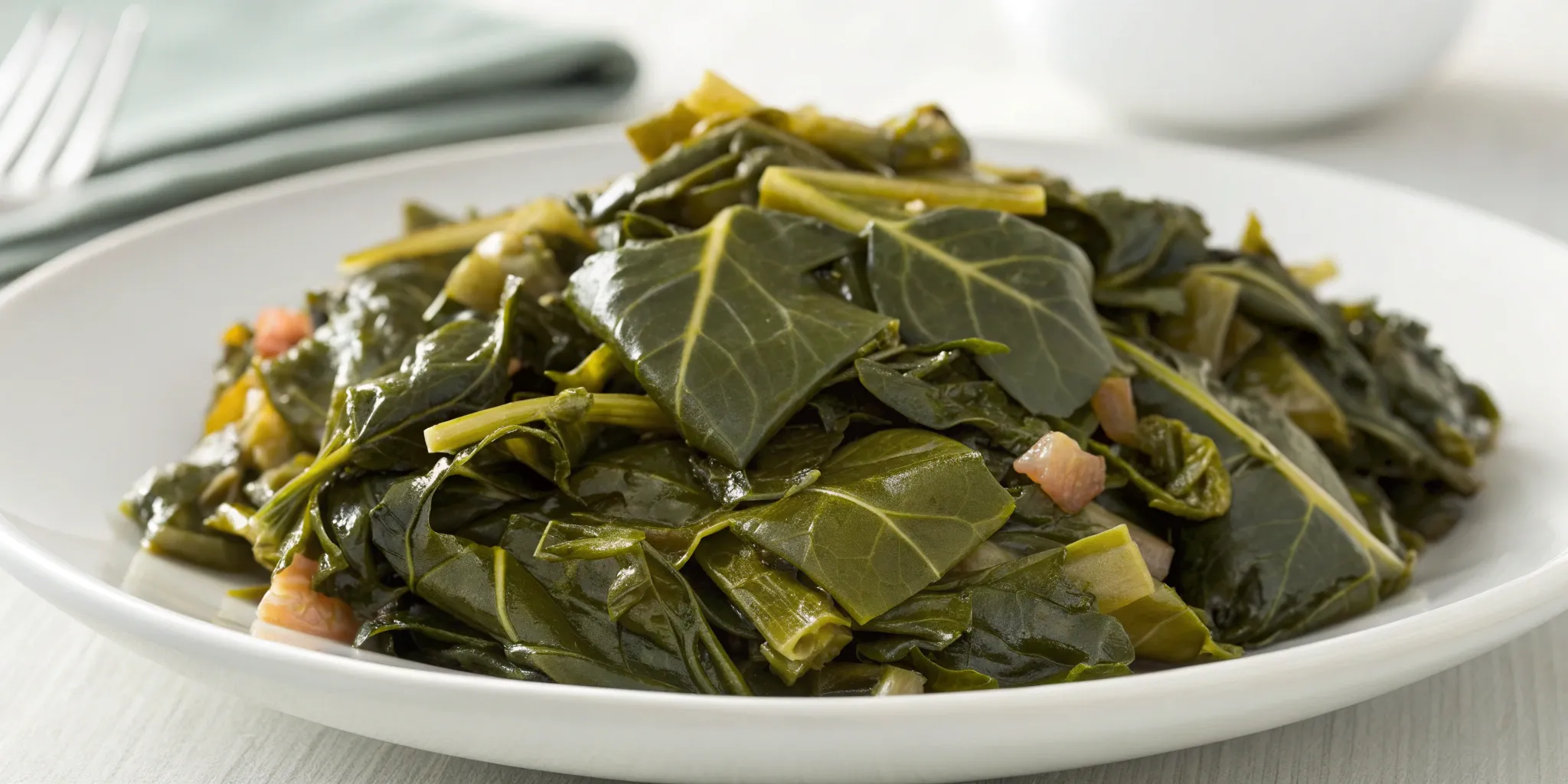
Collard greens are so much more than just a simple side dish on a Southern plate. They carry a rich history that stretches from ancient Greece to the American South, where they became a symbol of resilience and culinary ingenuity. Beyond their story, they are a nutritional powerhouse, packed with vitamins and minerals that nourish the body. Understanding this depth makes every bite more satisfying. When you simmer a pot of southern style collard greens, you’re not just making food; you’re participating in a long and storied tradition. This guide will walk you through the essential steps to create a delicious pot, honoring the heritage of this incredible vegetable while making something your family will absolutely love.
Key Takeaways
- Proper Prep is Non-Negotiable: To avoid gritty greens, give your collards a long soak in cold water before rinsing each leaf individually. Removing the tough center stem is also a key step for achieving a perfectly tender texture.
- Build Flavor with Smoked Meat and a Slow Simmer: The signature taste of Southern collards comes from a rich broth, or "potlikker," created by simmering smoked meat. Cook the greens low and slow for at least an hour to let them soften and absorb all that savory flavor.
- Finish with Vinegar and Save the Potlikker: A splash of vinegar right before serving brightens the entire dish and cuts through the richness. Remember, the potlikker is liquid gold—perfect for sopping up with cornbread or using as a base for other dishes.
What Are Collard Greens? A Southern Kitchen Essential
If you’ve ever sat down to a true Southern meal, you know that a plate isn’t complete without a side of tender, flavorful collard greens. Here at Notch8, they’re a staple we couldn’t imagine our menu without. But what exactly are these leafy greens, and how did they become such an icon of Southern cuisine?
Collards are more than just a simple side dish; they carry a rich history and pack a serious nutritional punch. They belong to the same family as cabbage and kale, but they have a distinct, hearty flavor that stands up beautifully to slow cooking. Understanding their story and their benefits makes every bite even more satisfying. Let’s get to know this Southern kitchen essential a little better.
The Story Behind the Greens
Collard greens have a long and fascinating history that stretches back to ancient Greece. They eventually made their way to the American South, where their story became deeply intertwined with the experiences of enslaved Africans. It was through their resourcefulness and culinary skill that the Southern-style cooking method we love today was born. They transformed this humble vegetable into a soulful dish, often using smoked meat scraps for flavor and drinking the nutrient-rich broth, or "potlikker," for nourishment. This culinary tradition is so foundational to our culture that South Carolina even named collard greens the official state vegetable.
Why They're Good for You
Don’t let their simple appearance fool you—collard greens are a powerhouse of nutrition. They are loaded with essential vitamins like A, C, and K, and minerals such as iron, calcium, and magnesium. All that fiber is great for digestion and can even help lower cholesterol. Plus, they’re full of antioxidants. And the goodness doesn't stop with the leaves. The savory broth left in the pot, known as potlikker, is packed with all the nutrients that cook out of the greens. Soaking it up with a piece of cornbread isn't just delicious; it's good for you, too.
How to Pick and Prep the Perfect Collards
A truly great pot of collard greens starts long before the stove is even turned on. It begins at the grocery store and continues at your kitchen sink. Nailing the prep work is the secret to achieving that perfect texture and deep, soulful flavor, without any of the bitterness or grit that can ruin a batch. These foundational steps might take a few extra minutes, but they are absolutely essential for getting your greens ready for the pot. Think of it as the first, most important layer of flavor for this classic Southern side dish. When you’re ready to skip the prep, you can always order a side from our kitchen to yours.
Choosing the Best Bunch at the Store
When you’re picking out your collards, let your eyes be your guide. You’re looking for a bunch with vibrant, deep green leaves that look full of life and feel crisp to the touch. Avoid any leaves that are yellowing, wilting, or have lots of blemishes, as these are signs that they’re past their prime. The freshest, healthiest-looking greens will always yield the most tender and flavorful results. Don’t be afraid to gently handle the bunch to make sure the leaves feel sturdy and robust. A great dish starts with great ingredients, and choosing the right collards is the first step to success.
The Right Way to Wash Your Greens
Collard greens are notorious for hiding sand and dirt in their curly leaves, and nothing ruins a meal faster than a gritty bite. A thorough wash is non-negotiable. The most effective method is to fill a clean sink with cold water, add a splash of white vinegar and a pinch of salt, and let the leaves soak for about 10-15 minutes. This helps loosen any stubborn grit. After their bath, it's crucial to rinse each leaf individually under cool running water, rubbing them gently with your fingers to ensure they are completely clean before they hit the pot.
Stemming and Chopping Like a Pro
With your greens clean, the final prep step is to handle the stems. The thick rib running down the center of each leaf can be tough and chewy, so it’s best to remove it. An easy way to do this is to fold the leaf in half and slice the stem away with a knife. Alternatively, you can simply hold the base of the stem and rip the leafy parts off. You can either discard the stems or chop them finely and add them to the pot for extra texture. Once the leaves are de-stemmed, stack a few on top of each other, roll them up tightly, and slice them into ribbons for a classic preparation.
Gather Your Ingredients for Authentic Southern Greens
Okay, let's talk about what makes Southern collard greens so incredibly good. It’s not just about the greens themselves—it’s about the rich, savory broth they simmer in. Getting that flavor right comes down to a few key ingredients that work together to create something truly special. You don’t need a long list of fancy items; you just need the right ones. We’ll focus on two main things: the smoked meat that gives the greens their soulful, smoky depth, and the aromatic base that builds a foundation of flavor from the very start. When you get these parts right, you're well on your way to a perfect pot of greens.
Choosing Your Smoked Meat and Seasonings
The most important part of making tasty collards is the broth, and that broth gets its soul from smoked meat. This is where that classic, deep, smoky flavor comes from. You have a few great options here, and you really can’t go wrong. A smoked turkey leg is a fantastic choice, as are smoked ham hocks. Both will infuse your cooking liquid with a rich, savory taste as they simmer. If you have some thick-cut bacon on hand, you can use that, too. The goal is to let the meat cook down slowly, creating a flavorful base before you even add the greens.
Building a Flavorful Foundation
With your smoked meat chosen, the next step is to build another layer of flavor. This starts with a simple mix of aromatics. In your pot, you’ll want to cook down some diced onions in a little oil until they’re soft and sweet. Then, add minced garlic and a pinch of red pepper flakes for a gentle kick of heat. This combination creates the base for what will become the "potlikker"—the prized, flavorful liquid left at the bottom of the pot. This isn't just leftover water; it's a nutrient-packed broth that’s full of smoky taste and is considered by many to be the best part of the dish.
How to Cook Southern Collard Greens: A Step-by-Step Guide
Alright, let's get down to the heart of it. Cooking a perfect pot of collard greens is a rite of passage in Southern cooking, and it’s easier than you might think. It’s all about building layers of flavor and having a little patience. Forget everything you thought you knew about bitter, tough greens. We’re going to walk through the process step-by-step to make a pot of collards so good, you’ll want to drink the broth straight from the bowl. Ready? Let’s get cooking.
Start with Your Smoked Meat
The secret to truly soulful collard greens isn't in the greens themselves—it's in the rich, savory broth they simmer in. This flavorful liquid, known as "potlikker," gets its magic from smoked meat. Smoked ham hocks or turkey wings are classic choices that release incredible flavor as they cook down. The goal is to create a broth that’s smoky, a little salty, and deeply savory. As the experts at A Fork's Tale explain, the most important part of making tasty collards is this broth. Simmer your chosen meat in water for about an hour before you even think about adding the greens. This step builds the foundation for the entire dish.
Add the Greens and Liquid
Once your kitchen smells amazing and your broth is ready, it’s time for the main event. In your large pot, you can sauté some chopped onions and garlic to add another layer of flavor. Then, it’s time to add your clean, chopped collards. Don't be shy—it will look like a mountain of greens, but they cook down significantly. Carefully add the greens to the pot with your smoked meat and broth. One popular collard greens recipe suggests adding the greens in batches, which gives them a chance to wilt down and make room for more. Make sure the liquid covers the greens, adding more water or chicken broth if needed.
Simmer Low and Slow for Tenderness
Here’s where patience becomes your most important ingredient. To get those perfectly tender greens, you need to let them simmer over low heat for a long time. Rushing this step will leave you with tough, chewy greens, and nobody wants that. Let the pot bubble away gently for at least an hour, though many Southern cooks swear by a longer cooking time. As Grandbaby Cakes notes, the greens often need to cook for two to three hours over low heat to become truly tender without turning to mush. This slow simmer allows the greens to absorb all that smoky, savory flavor from the potlikker while breaking down their tough fibers.
How to Know When They're Perfectly Done
The best way to check if your collards are ready is to simply taste them. After about an hour of simmering, carefully fish out a piece and give it a try. Is it tender? Is it flavorful? If the answer is no, just let them keep cooking. You can check them again every 15 to 20 minutes until they reach your desired tenderness. They should be silky and almost melt in your mouth. When they’re done, don’t you dare throw out that liquid at the bottom of the pot. That’s the potlikker, and as Simply Recipes explains, it’s a prized part of the dish meant to be sopped up with a piece of cornbread.
What Is Potlikker (and Why You Shouldn't Throw It Out)
After you’ve simmered a big pot of collard greens to tender perfection, you’re left with a dark, savory broth at the bottom of the pot. Your first instinct might be to drain it, but you’d be throwing away one of the most treasured parts of the dish. That flavorful liquid is known as potlikker (or pot liquor), and in Southern kitchens, it’s practically liquid gold. It’s a fundamental part of the collard green experience, capturing the deep, smoky flavors of the greens and meat. Instead of discarding it, you can use this delicious byproduct to add a soulful touch to other dishes, making sure no flavor goes to waste.
Understanding This "Liquid Gold"
So, what exactly is potlikker? It’s the rich, savory broth that forms while the greens cook down. As the collards simmer with smoked meat and seasonings, they release their vitamins and earthy flavor into the water, which reduces into a concentrated, nutrient-dense liquid. This isn't just leftover water; it's a complex broth infused with smoky, salty, and slightly bitter notes. Many consider it the best part of the dish, packed with the very essence of everything in the pot. This Southern-style recipe highlights how the potlikker is prized for its smoky taste and vitamins, making it a delicious and wholesome bonus.
Creative Ways to Use Every Last Drop
The most classic way to enjoy potlikker is to sop it up with a piece of warm, crumbly cornbread. The sweet, grainy bread is the perfect vehicle for soaking up every last bit of the savory broth. But don't stop there! This flavorful liquid is incredibly versatile. You can save it to use as a base for soups and stews, giving them an instant depth of flavor. Try using it instead of water to cook rice or grits, or add a splash to mashed potatoes for a savory twist. By finding creative ways to use your potlikker, you’re not just making your food taste better—you’re carrying on a Southern tradition of resourcefulness and honoring every ingredient.
How Long Should You Cook Collard Greens?
One of the biggest questions when making collards is about timing. Unlike a quick sauté, Southern-style collard greens require patience. The goal isn't to keep them bright and crisp; it's to simmer them until they're silky, tender, and have soaked up all the smoky, savory flavor from the pot. This slow-cooking process is what transforms them from a simple vegetable into a true comfort food classic. Think of it less as a strict time limit and more as a slow dance between the greens and the flavorful broth they're simmering in. If you want to taste a perfectly simmered pot of greens without the wait, you can always visit us at Notch8 for a plate of the real deal.
Finding the Sweet Spot for Cooking Time
So, how long is long enough? Most recipes agree that you should plan for at least one hour of simmering, but many traditional cooks will tell you that the magic really happens between the two and three-hour mark. Cooking them over low heat for a longer period allows the tough leaves to break down and become tender without turning into mush. The exact time will depend on how fresh your greens are and how thick you've chopped them. The key is to keep the heat low and let them gently bubble away, covered, until they reach that perfect melt-in-your-mouth texture.
Signs Your Greens Are Ready to Eat
Instead of just watching the clock, use your senses to tell when the greens are done. First, look at the color. Perfectly cooked collards will lose their bright, raw green hue and turn a deep, dark olive green. Next, check the texture with a fork. The leaves and stems should be incredibly tender and easy to pierce, but not so soft that they fall apart completely. The ultimate test, of course, is to taste them. Taste them after about an hour of simmering. Are they flavorful and tender? If not, let them keep cooking, checking every 15 to 20 minutes until they’re just right. When they’re done, the broth will be just as delicious as the greens themselves.
Fun Flavor Variations for Your Collard Greens
Once you’ve mastered the classic Southern collard greens, you can start having some fun and putting your own spin on the dish. The traditional recipe is a perfect starting point, but a few simple tweaks can create a whole new flavor experience. This is where you get to play with the building blocks of Southern cooking—smoke, spice, and savory depth—to find what you and your family love most. The beauty of a dish like collards is its versatility. It can be rich and meaty, light and plant-based, or fiery and bold, all depending on a few key choices you make along the way.
Don't feel like you have to stick to a rigid recipe every time. Some of the best Southern cooking comes from a little bit of this and a little bit of that. Maybe you have some leftover bacon from breakfast, or you're trying to eat less meat this week. These are perfect opportunities to experiment. The goal isn't to replace the classic, but to build on it and discover new favorites. Think about the overall meal you're creating. Are you serving the greens with fried chicken? A smokier, richer version might be perfect. Pairing them with fish? A lighter, spicier batch could be just the thing. Below, we’ll walk through some simple ways you can customize your next pot of greens, from the meat you use to the final dash of seasoning.
Different Meats to Try (and Meat-Free Options)
The smoked meat you choose is the heart of your collard greens’ flavor profile. While a smoked ham hock is traditional, don’t be afraid to switch it up. Using a smoked turkey leg is a fantastic way to get that classic smoky flavor with a slightly leaner profile. You can also chop up some thick-cut bacon and render it down in the pot before adding your other ingredients. This method adds a rich, salty taste that infuses every bite of the greens. Each option brings a unique character to the pot, giving you a deep, meaty flavor that makes your collards truly memorable.
Making Them Vegetarian or Vegan
You absolutely don’t need meat to make a delicious pot of collard greens. With a few smart swaps, you can create a vegetarian or vegan version that’s just as satisfying. Start by using a quality vegetable stock as your cooking liquid. To build a savory base without bacon grease, sauté your onions and garlic in a little olive oil. The real secret to getting that signature smoky taste is a few dashes of liquid smoke. This simple ingredient mimics the flavor of smoked meat perfectly. By focusing on aromatics like onions, garlic, and even a hot pepper, you can make the recipe vegan without sacrificing any of that soulful, slow-cooked goodness.
Spices and Regional Twists
The final seasoning is what brings your collard greens to life. After your greens have simmered and become tender, it’s time to taste the potlikker and adjust the flavors. A pinch of sugar can balance any bitterness, while a sprinkle of red pepper flakes adds a welcome warmth. Many Southern cooks swear by adding a dash of vinegar—like apple cider or white vinegar—right before serving. This brightens up the entire dish and cuts through the richness of the meat. Don’t forget the basics, either. A good amount of black pepper and a little smoked salt can deepen the flavor and make your greens taste like they’ve been simmering all day.
Common Collard Green Mistakes to Avoid
Making truly great collard greens is an art, but it’s one you can definitely master. Like any classic dish, there are a few common missteps that can stand between you and a perfect pot of greens. From gritty leaves to a bland broth, these simple mistakes are easy to make but also easy to fix. Let’s walk through what to watch out for so your next batch is the best you’ve ever made. If you'd rather leave it to the pros, you can always order a side of our classic greens to see how we do it.
Prep and Cleaning Pitfalls
The first mistake happens before your greens even hit the pot. Collards grow in sandy soil, and that grit loves to hide in the leaves. A quick rinse under the faucet just won’t cut it. To get them truly clean, you need a good soak-and-scrub. Fill your sink with cold water, a splash of white vinegar, and a little salt, then swish the leaves around vigorously. Let them soak for a bit before rinsing them one last time. Also, try to select young, tender greens at the store. Older, tougher leaves can be more bitter and take much longer to cook down, no matter how well you season them.
Cooking Time and Temperature Errors
Patience is a key ingredient in Southern cooking, and collard greens are no exception. One of the biggest mistakes is not cooking them long enough. These are tough greens, and they need a low, slow simmer to become perfectly tender. Rushing the process will leave you with chewy, tough leaves. Plan to let them cook for at least an hour, if not longer. You’ll know they’re ready when they are silky-soft but not falling apart into mush. If you’re short on time, a pressure cooker can be a great shortcut to get that tender texture without waiting for hours. Just be careful not to overdo it!
Getting the Seasoning and Texture Just Right
A flavorful broth, or "potlikker," is the soul of Southern collard greens. Simply boiling your greens in water is a missed opportunity. The real magic comes from building a rich broth, which traditionally starts with smoked meat like ham hocks or smoked turkey. This step creates a savory, smoky foundation that the greens absorb as they cook. If your greens ever taste a little bitter, don’t worry. A tiny pinch of baking soda or a little sugar can help balance the flavor. The combination of savory meat, a long simmer, and the right seasonings is what turns a simple vegetable into a true comfort food classic.
What to Serve with Collard Greens
Once your collard greens are simmered to perfection, the next step is building the rest of the plate. Collards are a team player, shining brightest when paired with other Southern classics. Serving them the right way turns a simple side dish into the heart of a memorable meal. From the condiments on the table to the main course, a few key additions will complete your authentic Southern experience.
Classic Pairings for a Perfect Plate
The simplest way to serve collard greens is often the best. Place them in a bowl and have bottles of vinegar and your favorite hot sauce on the table. This allows everyone to customize their bowl with a little extra tang or a kick of heat. A splash of apple cider vinegar or a pepper-infused vinegar cuts through the richness of the greens and brightens up the flavor. This tradition of dressing greens at the table is a staple in Southern households for a reason—it just works. It’s a simple touch that makes each bite exactly how you like it.
Ideas for a Complete Southern Meal
To turn your collard greens into a full-fledged feast, you’ll need some classic Southern sides. Cornbread is non-negotiable; it’s the perfect tool for sopping up every last drop of the savory potlikker at the bottom of the bowl. Beyond that, think about what complements the deep, savory flavor of the greens. Creamy macaroni and cheese, crispy fried chicken, or a hearty serving of black-eyed peas are all fantastic choices. For a truly authentic plate, check out the full menu at Notch8 to see how we pair our classic Southern sides.
How to Store and Reheat Leftovers
If you find yourself with leftovers, you’re in luck—collard greens are often even better the next day. To store them, let the greens cool completely before placing them in an airtight container with all their potlikker. They’ll keep well in the refrigerator for up to five days. For longer storage, you can also freeze them. Just pack them into freezer-safe bags or containers, and they’ll last for several months. When you’re ready to eat, simply thaw them in the fridge overnight and gently reheat them on the stovetop for a quick and delicious meal.
Related Articles
- 15 Classic Comfort Food Recipes to Make Tonight — Notch8 Carolina Kitchen
- 18 Classic Comfort Food Examples to Try — Notch8 Carolina Kitchen
- How to Make the Best Cheese and Pimento Dip — Notch8 Carolina Kitchen
Frequently Asked Questions
My collard greens turned out bitter. What did I do wrong? Bitterness can happen for a couple of reasons, but it's usually an easy fix. It often starts at the store—try to pick bunches with younger, more tender-looking leaves, as older, tougher greens can have a stronger bitter taste. The long, slow cooking process also helps mellow out the flavor. If you've done all that and still taste some bitterness, a classic Southern trick is to add a tiny pinch of sugar or baking soda to the pot near the end of cooking. This helps balance the flavors without making the greens sweet.
Can I use a slow cooker or pressure cooker to make collard greens? Absolutely. A slow cooker is perfect for achieving that melt-in-your-mouth texture. Just add all your ingredients, set it to low, and let it go for about 6 to 8 hours. A pressure cooker is a fantastic shortcut if you're short on time. It can make the greens tender in under 30 minutes, but be careful not to overdo it or they can become mushy. It’s a great way to get that all-day simmered taste in a fraction of the time.
Do I really need to add vinegar at the end? You don't have to, but it's a traditional step for a very good reason. A splash of apple cider or white vinegar right before serving does wonders for the final dish. It cuts through the richness of the smoked meat and the savory broth, brightening up all the flavors and adding a pleasant tang. It’s that final touch that really makes the dish taste complete and authentically Southern.
Is it possible to make flavorful collard greens without any meat? Yes, you can definitely make a delicious pot of greens without any meat. The key is to build that savory, smoky flavor using other ingredients. Start by sautéing your onions and garlic in olive oil instead of bacon fat. Use a rich vegetable broth as your cooking liquid, and for that essential smoky taste, add a few dashes of liquid smoke. When you focus on building a deep flavor with aromatics and the right seasonings, you won't miss the meat at all.
Why are my collard greens still tough after cooking for an hour? Patience is the most important ingredient here. While some recipes say an hour is enough, that's often just the starting point. The exact cooking time depends on the freshness and maturity of your greens. If they're still tough after an hour, the simple answer is that they just need more time. Keep the heat low, make sure there's enough liquid in the pot, and let them continue to simmer until they are silky and tender when you pierce them with a fork.