
How to Cook Collard Greens Southern Style Perfectly
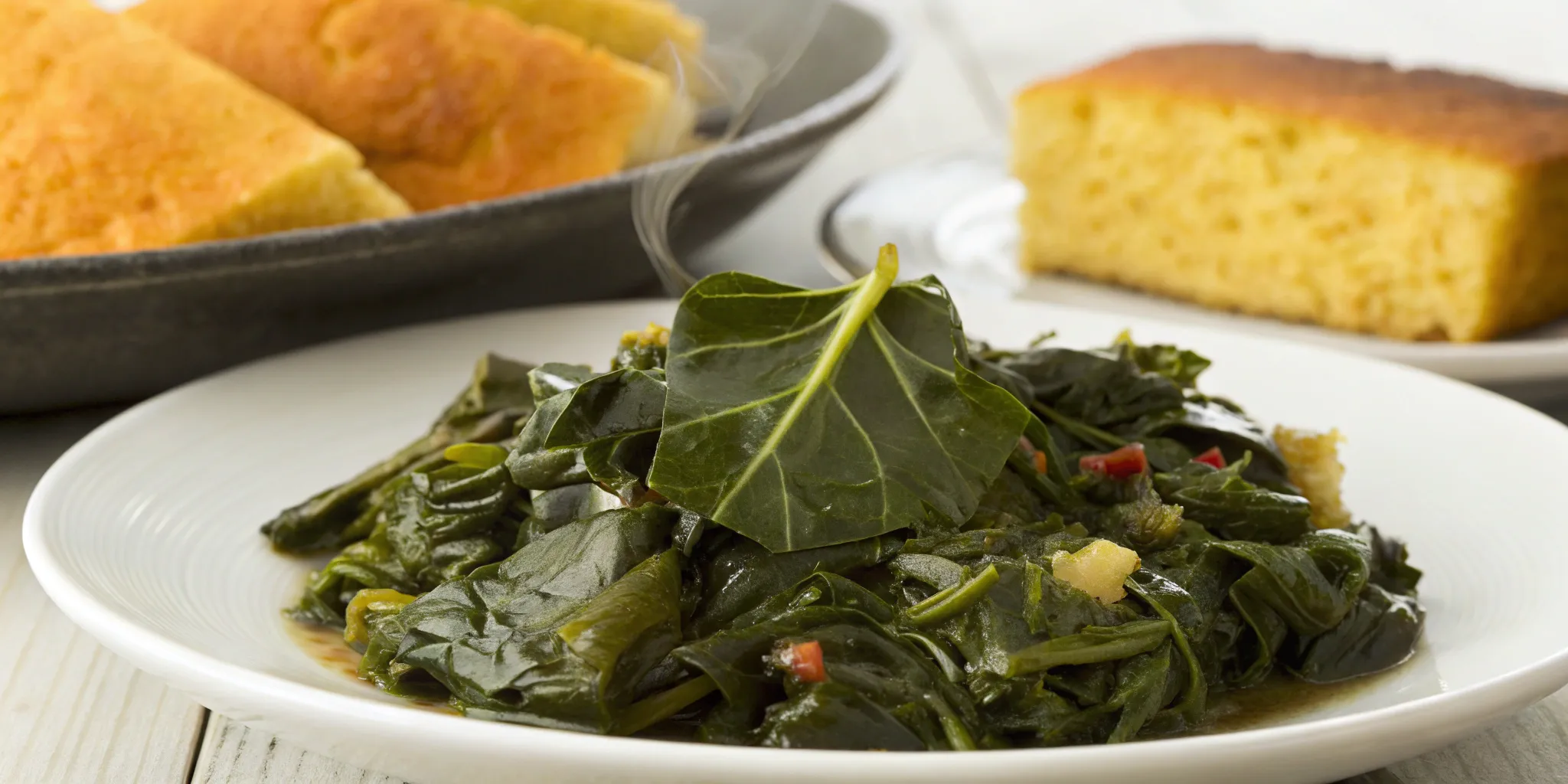
The difference between a good pot of collards and a truly unforgettable one comes down to the details. It’s the patient simmer, the balance of smoky and savory flavors, and that final splash of vinegar that makes all the difference. These are the time-honored techniques that Southern cooks have perfected over generations. Here, we’re pulling back the curtain on that process. You’ll learn how to build layers of flavor from the ground up, avoid common mistakes, and achieve that perfect, melt-in-your-mouth texture every time. Get ready to make the best collard greens southern style you’ve ever tasted, right in your own home.
Key Takeaways
- Start with a Clean Slate: The best collard greens begin with proper prep. Choose bunches with firm, dark green leaves and wash them thoroughly in a sink full of water to remove any hidden grit for a perfectly smooth texture.
- Build Flavor with Time and Smoke: Authentic Southern flavor comes from a low and slow simmer. Use smoked meat like a ham hock or turkey leg to create a rich, savory broth, and give the greens at least an hour to become perfectly tender.
- Balance and Brighten at the End: Don't discard the flavorful cooking liquid, or "pot likker," as it's perfect for sopping with cornbread. A splash of apple cider vinegar just before serving will cut through the richness and make all the savory flavors stand out.
What Are Collard Greens, and Why Are They a Southern Staple?
If you’ve ever had a plate of true Southern cooking, you know that collard greens are so much more than a simple side dish. They’re a cornerstone of our cuisine, rich with flavor and steeped in history. Here at Notch8, we believe that understanding the story behind a dish makes it taste even better. Collards are a perfect example—a leafy green that carries the story of resilience, tradition, and community in every single bite. From their ancient origins to their place on a New Year's Day table, these greens are a celebrated part of Southern identity.
A Taste of History and Cultural Roots
The journey of collard greens to the American South is a long and fascinating one. While they were first grown near Greece, they became a staple in Southern kitchens through the transatlantic slave trade. It was enslaved Africans who developed the iconic Southern way of cooking them, transforming a tough, bitter green into a tender, savory masterpiece. They masterfully used smoked meats and flavorful scraps to season the pot, simmering the greens for hours. The nutrient-rich broth left behind, known as “pot likkur,” was a vital source of nourishment and a testament to their culinary ingenuity. This history is what gives the dish its incredible depth and soul.
South Carolina's Official State Vegetable
Here in South Carolina, our love for collard greens is officially recognized. That’s right—they are our official state vegetable! This designation speaks volumes about how deeply woven collards are into the fabric of our state's culture and identity. It’s a nod to the generations of farmers who have cultivated them in our soil and the families who have passed down their recipes. When you see collards on a menu, especially in the Palmetto State, you know you’re getting a taste of authentic local heritage. It’s a point of pride and a delicious piece of what makes our state’s food scene so special.
A Symbol of Prosperity for the New Year
Have you ever wondered why eating collard greens on New Year’s Day is such a cherished Southern tradition? It’s all about starting the year off with a bit of good fortune. The green leaves are said to symbolize money, so eating a hearty portion is thought to bring wealth and prosperity in the year to come. Paired with black-eyed peas (for luck) and cornbread (for gold), it’s a meal that’s full of hope and optimism. This tradition is a beautiful reminder that food does more than just feed us; it connects us to shared beliefs and celebrates new beginnings.
How to Select and Store the Best Collard Greens
A truly great pot of collard greens starts long before you turn on the stove. It begins in the produce aisle. At Notch8, we’re serious about using the freshest ingredients, and picking the right bunch of greens is the first and most important step to getting that authentic Southern flavor you love. Think of it this way: you can’t build a sturdy house on a weak foundation, and you can’t make amazing collards with sad, wilted leaves. This initial step is non-negotiable for achieving that tender, savory perfection we all crave. It’s a core principle of Southern cooking—letting simple, fresh ingredients shine.
Choosing the best greens and storing them properly ensures they stay crisp and flavorful until you’re ready to cook. It makes all the difference between a tender, savory side dish and a bitter, stringy mess. When you start with high-quality produce, you don't have to work as hard to make it taste good; the natural flavors do most of the work for you. This isn't just about taste, but texture too. Fresh greens cook down beautifully, becoming silky and tender, while older ones can remain tough. Let’s walk through exactly what to look for at the store and how to keep your greens perfect at home.
What to Look For at the Store
When you’re at the grocery store or farmer’s market, channel your inner detective. You’re looking for bunches with vibrant, dark green leaves that are firm and full. Avoid anything with yellowing edges, brown spots, or wilting—those are signs the greens are past their prime. Give the leaves a gentle touch; they should feel supple, not brittle or slimy. Also, check the stems for any cracks or dark spots. A healthy bunch of collards will look and feel robust. Taking a moment to select the best produce is a simple step that pays off big time in the final dish.
How to Keep Them Fresh at Home
Once you get your beautiful greens home, don’t just toss them in the fridge. To maintain that just-picked freshness, wrap the unwashed leaves in a paper towel to absorb excess moisture, then place them in a zip-top plastic bag. Squeeze out as much air as you can before sealing it. Your fridge’s crisper drawer is their best friend. This method helps keep collard greens fresh and crisp for several days. If you notice they’ve started to wilt a bit before you get to them, don’t worry! You can often revive them with a quick 15-minute soak in a bowl of ice-cold water.
How to Clean and Prep Your Collard Greens
This part is the foundation of any good collard greens recipe. Trust me, nothing ruins a pot of greens faster than a mouthful of grit. Because they grow low to the ground, collard leaves can trap a surprising amount of sand and dirt between their beautiful, broad leaves. Taking a little extra time to clean them properly makes all the difference between a dish that’s just okay and one that’s truly memorable. It’s a non-negotiable step for that authentic, down-home flavor we all love here in the Carolinas. If you want greens as good as what you’d find on our menu at Notch8 Carolina Kitchen, you can't skip the prep.
Once your greens are sparkling clean, you’ll want to get them ready for the pot. This involves removing the tough, fibrous stems that run down the center of each leaf. While some people might chop them up and leave them in, taking them out results in a much more tender and pleasant texture. It’s a simple step that ensures every bite is pure, silky green goodness. Think of it as setting the stage for all the wonderful smoky and savory flavors you’re about to add. Let’s walk through exactly how to get your greens perfectly clean and ready for cooking, so you can build that delicious pot likker from a perfect base.
A Thorough Wash: Removing All the Grit
First things first, fill your clean kitchen sink with lukewarm water. Don’t use cold water, as warmer water helps release the dirt more effectively. Add a splash of white vinegar and a sprinkle of salt to the water—this combination helps to thoroughly clean the leaves and dislodge any stubborn grit. Submerge the collard greens and let them soak for about 10-15 minutes, swishing them around a few times. After they’ve had a good soak, drain the water and rinse each leaf individually, front and back, under running water. Repeat this process until the water at the bottom of the sink is completely clear. It might seem like a lot of work, but this soak-and-scrub method is your best defense against sandy greens.
The Right Way to Cut and Remove Stems
Now that your greens are clean, it’s time to deal with the stems. The thick stem running down the middle of each collard leaf is tough and can be bitter, so it’s best to remove it. The easiest way to do this is to fold each leaf in half lengthwise, like you’re closing a book, with the stem on the outside edge. Then, you can simply slice the stem off with a knife or even just tear it away with your hands. It’s a quick process once you get the hang of it. By taking a moment to remove the tough stems, you guarantee a perfectly tender pot of greens every time. After de-stemming, stack a few leaves, roll them up tightly, and slice them into ribbons for cooking.
Ingredients for Classic Southern Collard Greens
Getting that perfect pot of Southern collard greens is all about the ingredients. These aren't just items on a list; they're the soul of the dish, each one playing a critical role in building layers of deep, savory flavor. From the smoky meat to the final, precious drops of pot likker, every component matters. Let's walk through what you'll need to create a truly classic side dish that tastes like home.
Choosing Your Smoked Meat for Flavor
To achieve that authentic Southern flavor, you have to start with smoked meat. This is the key. The meat slowly renders as the greens simmer, infusing the entire pot with a rich, savory essence. Popular choices include smoked turkey legs, ham hocks, or thick-cut bacon. The goal is to add a deep, smoky foundation that complements the slight bitterness of the greens. This single ingredient is what transforms a simple vegetable into one of the best collard greens recipes you'll ever make, creating a taste that’s both comforting and complex.
Essential Seasonings and Aromatics
Beyond the smoked meat, your flavor foundation comes from a few key aromatics. Most recipes start by sautéing sliced onions in a little fat—bacon grease is traditional, but lard or oil work just fine. Cook them until they’re soft and just starting to brown to build a sweet and savory base that balances the whole dish. Other essentials include garlic and a pinch of red pepper flakes for a little heat. This simple combination creates a harmonious blend of tastes that makes your collard greens truly stand out.
The Magic Ingredient: Pot Likker
After your greens have simmered to tender perfection, don't pour out the liquid at the bottom of the pot. That is "pot likker," and it’s pure gold. This smoky, nutrient-rich broth is packed with all the flavors from the meat, aromatics, and the greens themselves. It’s considered a Southern delicacy for a reason. Some people drink it straight, while others use it to moisten cornbread. You can also save it for soups or gravies. Far from being a byproduct, the pot likker is a treasured culinary gem that represents the soul of the dish.
The Step-by-Step Southern Cooking Method
The real secret to incredible Southern collard greens isn’t a long list of fancy ingredients—it’s patience. The magic lies in the method. By giving your greens the time they need to cook down, you allow every element in the pot to meld into a rich, savory, and deeply comforting dish. This isn’t a recipe you can rush, so put on some good music, pour yourself a glass of sweet tea, and get ready to create some kitchen magic. If you'd rather leave the cooking to us, you can always visit us at Notch8 for a plate of the real deal.
Embrace the Low and Slow Simmer
To get that authentic Southern flavor, you have to embrace the low and slow simmer. This method starts with building a flavorful foundation, usually with a smoked ham hock or turkey wing. As the meat simmers, it releases its smoky, salty goodness into the water, creating a rich broth. When you add the collards, they slowly soak up all of that deliciousness. This process is what transforms simple greens into a dish with a truly deep, savory flavor. Don’t be tempted to crank up the heat; a gentle, steady simmer is your best friend here.
Timing and Temperature Tips
Patience is a virtue, especially when it comes to collards. For truly tender greens, you’ll want to let them simmer for at least one hour, but the sweet spot is closer to two or even three hours. This extended cooking time is essential for breaking down the tough fibers in the leaves, which is how you achieve that perfect, melt-in-your-mouth consistency without them turning to mush. Keep your stove on a low setting to maintain a gentle simmer. A hard, rolling boil will make the greens fall apart and lose their wonderful silky texture.
How to Know When They're Perfectly Tender
The best way to know if your collards are done is simple: taste them. You’re looking for a silky, tender green that’s easy to chew. Grab a fork and try a piece. Is it tender? Great. Now, taste the broth, or the “pot likker.” This is where so much of the flavor lives. At the end of the cooking process, you can make your final adjustments. Add a bit more salt, a few cracks of black pepper, or a splash of vinegar to achieve the perfect balance of flavors. This final touch is what will make your collard greens truly unforgettable.
Tips for Taking Your Collard Greens to the Next Level
You’ve got the basics down, but now it’s time to make those collards truly sing. If you want to cook like you’ve been doing it for years, it’s all about the details. These simple tips are the secrets that Southern cooks have passed down for generations to turn a good pot of greens into an unforgettable one. With a few small adjustments, you can create a dish that tastes like it came straight from a Carolina kitchen.
Add a Splash of Vinegar for Tang
That rich, savory flavor of slow-cooked collards is incredible on its own, but a little acidity can cut through the richness and make every other flavor pop. Many Southern cooks swear by a splash of apple cider vinegar, added near the end of cooking, to brighten up the whole pot. It adds a subtle tang that balances the smoky meat and earthy greens perfectly. As one expert Southern cook puts it, apple cider vinegar is a key ingredient for achieving the best flavor. Start with a tablespoon or two, give it a taste, and add more if you like. It’s a simple step that makes a world of difference.
Balance Sweet, Salty, and Smoky Flavors
The soul of Southern collards comes from a perfect harmony of sweet, salty, and smoky notes. This flavor foundation starts with your choice of smoked meat. Adding a smoked turkey leg or ham hock is essential for getting that classic, deep smoky flavor that infuses every leaf. Next, build a richer, more savory base by using chicken broth instead of plain water. This simple swap makes the dish much more flavorful. Finally, don't forget the sweet element. The natural sweetness from slowly sautéed onions provides a perfect counterpoint to the salt and smoke, creating that complex, can't-get-enough taste that defines classic Southern greens.
Simple Tricks to Reduce Bitterness
Ever had a pot of greens turn out a little too bitter? Don't worry, it happens to the best of us, and there's an easy fix. Bitterness is a natural characteristic of collards, but it can sometimes be overpowering. One of the best-kept secrets is to add a tiny pinch of baking soda to the cooking water. According to some tried-and-true family recipes, you should use no more than a half-teaspoon to neutralize that sharp edge without affecting the overall flavor. Another popular method is to add a peeled potato to the pot while the greens simmer; it can help absorb some of the bitterness, and you can just remove it before serving.
Common Mistakes to Avoid When Cooking Collards
Making truly great collard greens is an art, but it's one you can definitely master. Often, the difference between good and great comes down to avoiding a few simple pitfalls. Let's walk through the most common mistakes so you can get that perfect, soulful pot of greens every single time. If you want a taste of the finished product, you can always order a side from our kitchen to see what you're aiming for! Getting these details right will make your homemade collards taste like they came straight from a seasoned pro’s kitchen.
Rushing the Cook Time
If there's one virtue you need when making collards, it's patience. These sturdy leaves need a long, slow simmer to transform into the tender, melt-in-your-mouth greens we all love. Rushing them will only leave you with a tough, chewy result. Plan for your greens to cook for at least an hour, though many Southern cooks will tell you that two to three hours is the sweet spot. The goal is to let them get perfectly tender without turning into mush. Just let them bubble away gently on the stove, and they'll reward you for your time.
Skipping the Thorough Wash
Please, please don't skip this step. Collard greens grow in sandy soil, and grit loves to hide in their beautiful, broad leaves. Nothing ruins a delicious bite of greens faster than a crunch of dirt. To get them perfectly clean, you need to do more than a quick rinse. The best method is to fill your sink with cool water, add a splash of white vinegar or a little salt, and let the leaves soak for a few minutes. Swish them around, drain the water, and repeat until you see no more dirt at the bottom of the sink. A thorough wash ensures every bite is clean and delicious.
Forgetting to Save the Pot Likker
After your greens have finished cooking, whatever you do, don't pour that liquid down the drain! That savory, nutrient-rich broth left in the pot is called "pot likker," and it's pure liquid gold. It has soaked up all the smoky, savory flavor from the meat and the earthy goodness from the greens. Pot likker is traditionally sopped up with a piece of cornbread, but you can also use it to add incredible flavor to rice, grits, or even mashed potatoes. Saving the pot likker is a hallmark of true Southern cooking, ensuring no flavor goes to waste.
Popular Twists on Classic Collard Greens
While a pot of collards simmered low and slow with smoked meat is the gold standard in any Southern kitchen, it’s far from the only way to enjoy this incredible vegetable. Think of the classic recipe as the foundation. Once you’ve mastered it, you can start playing with the formula to create something new and exciting. Trying different preparations is a great way to appreciate just how versatile collards truly are, taking them from a familiar side dish to the star of the show. Many of us grew up with one specific way of making collards, a recipe passed down through generations. And while that tradition is something to cherish, it can also be fun to see what happens when you step outside the box.
Whether you’re accommodating different dietary needs for family and friends or are just curious about how other folks cook their greens, there are plenty of delicious variations to explore. You might be surprised to find collards used raw in salads, quickly sautéed with garlic and chili flakes, or even blended into a creamy soup. From bright, crunchy textures to rich, savory braises inspired by different culinary traditions, these twists prove that there’s always a new way to fall in love with collard greens. Let’s look at a few popular approaches that put a fresh spin on this beloved staple.
Vegetarian and Vegan Options
The biggest question when taking meat out of collard greens is how to replicate that deep, savory flavor. The answer is to build it with other bold ingredients. You can create delicious vegetarian and vegan alternatives by swapping smoked meat for things like smoked paprika, liquid smoke, or umami-rich mushrooms and soy sauce.
One fantastic method involves marinating raw, thinly sliced collards in a punchy vinaigrette. A dressing made with garlic, red wine vinegar, and warm spices can transform the greens into a vibrant, crunchy salad that’s a world away from the slow-cooked classic but just as satisfying. This approach highlights the vegetable's fresh, earthy side and makes for a perfect light lunch or side dish.
Exploring Regional Cooking Styles
Even within Southern cooking, there’s no single way to make collard greens. Every family and every region has its own unique touch. While many of us in South Carolina swear by a long simmer with a ham hock, a cook in Memphis might add a different mix of spices or use their greens in a completely different dish. This adaptability is part of what makes collards such a cherished ingredient across so many regional cooking styles.
Exploring these variations is a fun way to see how one simple vegetable can be interpreted in countless ways. Some recipes call for a dash of hot sauce, others for a bit of sugar, and some even incorporate tomatoes or onions. It’s a testament to the creativity of home cooks who have made this humble green their own.
What to Serve with Your Southern Collard Greens
Once you’ve simmered your collard greens to tender perfection, the next step is building the rest of the meal. Collards are a team player, and they shine brightest when paired with other Southern classics. Think of your plate as a canvas for all the comforting flavors you love. Whether you’re making a simple weeknight dinner or a full-on Sunday feast, the right pairings will make your collard greens the star of the show.
Classic Southern Side Dish Pairings
If you serve collard greens without cornbread, did you even serve them at all? Kidding aside, there’s a reason this pairing is legendary. A slice of warm, crumbly cornbread is the perfect tool for sopping up every last drop of that savory pot likker. It’s a non-negotiable part of the experience for many.
Beyond cornbread, think about other staples that create a beautiful balance of flavors and textures. Creamy mac and cheese, fluffy rice, or a scoop of black-eyed peas all work wonderfully alongside the rich, savory greens. And don't forget to set out some hot sauce and apple cider vinegar. Having these on the side lets everyone add as much tang and spice as they like, personalizing each bite.
Building a Complete, Hearty Meal
To turn your side dish into a truly satisfying meal, you need a standout main course. Collard greens are a classic partner for just about any Southern protein you can imagine. They cut through the richness of slow-smoked BBQ pulled pork and provide a savory balance to crispy, juicy fried chicken. You really can’t go wrong.
Putting it all together is what Southern cooking is all about. A plate piled high with tender collards, a hearty main, and a piece of cornbread ready to soak up that delicious pot likker is comfort at its finest. If you need a little inspiration for building the perfect plate, you can always check out our full menu at Notch8 to see how we pair our favorite Southern dishes.
How to Store and Reheat Leftover Collards
One of the best things about a big pot of collard greens is that the leftovers are often just as good—if not better—the next day. As the greens sit, the flavors have more time to meld together, creating an even richer taste. But to make sure your second-day greens are perfect, you need to store and reheat them the right way. It’s simple, and it makes all the difference.
Of course, if you want to skip the cooking and cleanup altogether, you can always order a side of our collards to go with your meal. But if you’ve made a batch at home, here’s how to handle the delicious leftovers.
The Best Way to Store Leftovers
The key to great leftover collards is keeping them from drying out. To do this, store the greens in an airtight container and make sure to spoon plenty of the pot likker (the cooking liquid) in with them. This broth is what keeps the greens moist and flavorful. They’ll keep well in the refrigerator for about three to five days. When you’re ready to eat them, the best way to reheat collards is in a small pot on the stove over low heat. This warms them through gently without making them mushy. A microwave works in a pinch, but the stovetop gives you a much better result.
Creative Ways to Use Leftover Pot Likker
Whatever you do, don’t pour that leftover cooking liquid down the drain! That flavorful, smoky liquid at the bottom of the pot is called "pot likker," and it’s pure gold. Packed with nutrients and the savory essence of the smoked meat and seasonings, it’s a fantastic ingredient on its own. Think of it as a savory, Southern-style broth. You can use it to cook rice or grits, add a rich depth to soups and stews, or even pour it over a fresh slice of cornbread. Some people even use it as a base for gravy or to moisten up mashed potatoes. It’s a no-waste way to add incredible flavor to other dishes.
Related Articles
- 15 Classic Comfort Food Recipes to Make Tonight — Notch8 Carolina Kitchen
- 18 Classic Comfort Food Examples to Try — Notch8 Carolina Kitchen
- Comfort Foods 101: Everything You Need to Know — Notch8 Carolina Kitchen
Frequently Asked Questions
Why are my collard greens still tough or bitter after cooking? If your greens are tough, it almost always means they need more time. Collards require a long, slow simmer to break down their sturdy fibers and become perfectly tender, so don't be afraid to let them cook for at least an hour or two. Bitterness can be a natural trait of the greens, but you can balance it by ensuring you have enough savory flavor from smoked meat and sautéed onions. A splash of apple cider vinegar or a tiny pinch of baking soda added to the pot can also help neutralize any sharp taste.
Can I make good collard greens without smoked meat? Absolutely. While smoked meat provides a classic savory base, you can build incredible flavor using other ingredients. To get that smoky depth, try using a bit of smoked paprika or a few drops of liquid smoke. You can also create a rich, savory foundation by sautéing mushrooms and onions in olive oil before adding your greens and using a high-quality vegetable broth for simmering.
What exactly is 'pot likker' and what should I do with it? Pot likker is the flavorful, nutrient-rich broth left in the pot after your collard greens have finished cooking. It’s a treasured part of the dish, full of all the smoky, savory goodness from the meat and seasonings. Don't ever throw it out! The most traditional way to enjoy it is by sopping it up with a piece of cornbread. You can also use it as a delicious base for soups, gravies, or to cook rice and grits.
Is it really necessary to remove the stems from the collard leaves? Yes, I highly recommend it. The thick stem running down the center of each leaf is quite tough and fibrous, and it won't break down as nicely as the leaves do. Leaving the stems in can result in a chewy, stringy texture. Taking a moment to fold each leaf in half and slice the stem away ensures that every bite of your finished dish is silky and tender.
Can I use frozen collard greens instead of fresh ones? You can, but the final result will be a bit different. Frozen collards are a convenient shortcut, especially since they come pre-washed and chopped. However, they tend to have a softer, less distinct texture than fresh greens. If you use frozen, you can skip the washing and chopping steps, but be sure to still cook them low and slow with your smoked meat and aromatics to build that deep, classic flavor.