
12 Ultimate Comfort Food Dishes to Make Tonight
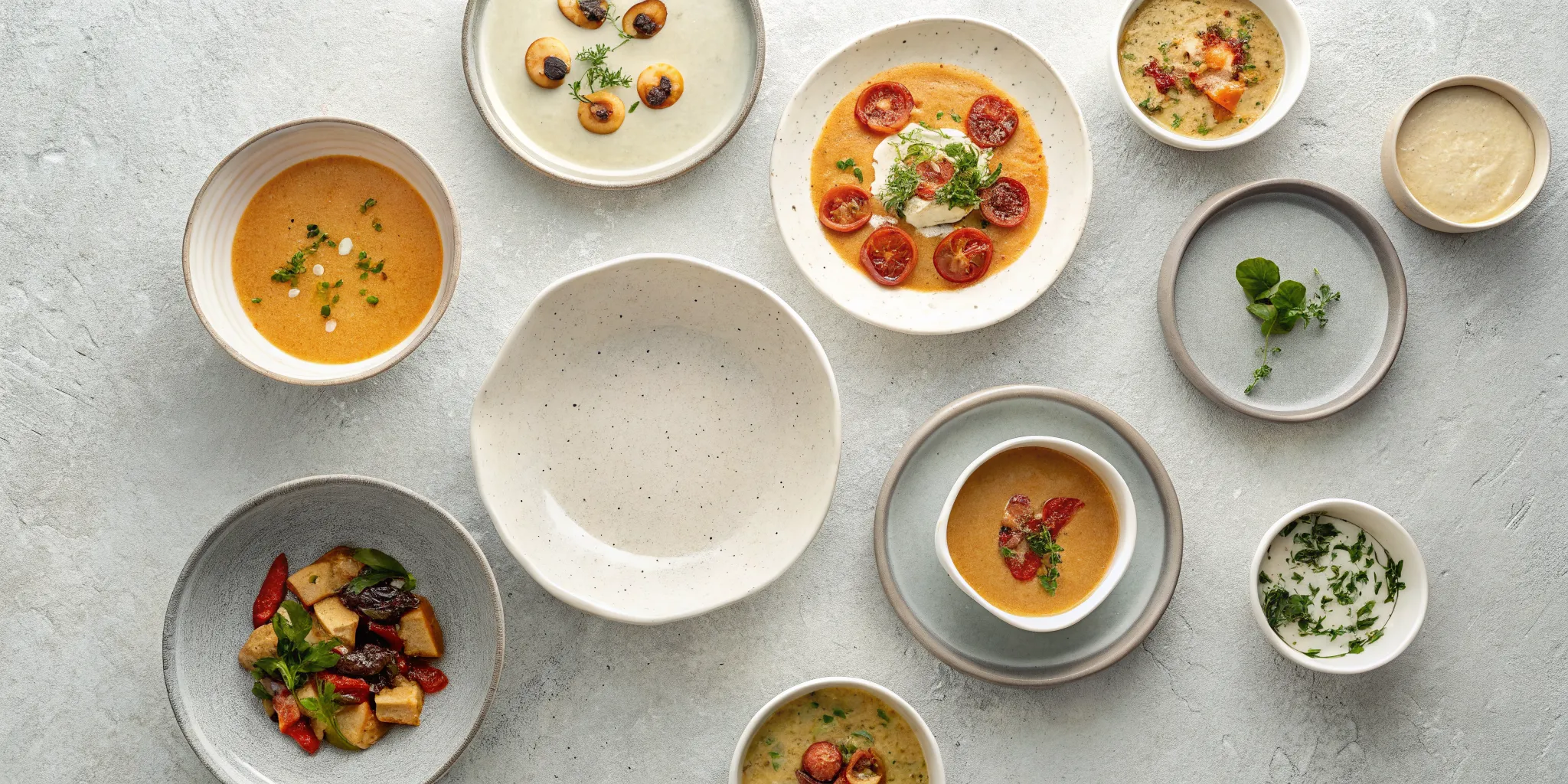
We all have that one dish we believe can fix a bad day. We turn to these meals expecting a quick emotional fix, but is that what’s really happening? The truth about comfort food is more interesting than the myths. It’s not just about calories or a guaranteed mood-booster; it’s about memory, experience, and the simple act of treating yourself to something you truly enjoy. The real magic is in the connection we feel to the food and the moments we associate with it. We'll look at what really makes a meal comforting and explore why Southern cooking, with its deep ties to family and tradition, is the ultimate comfort food.
Key Takeaways
- It's more than just food; it's a feeling: Our cravings for comfort food are tied directly to positive memories and brain chemistry. Eating a dish that reminds you of happy times can genuinely make you feel safer and more content.
- Great flavor comes from patience, not complexity: The best comfort dishes, especially Southern classics, rely on simple techniques like slow simmering. Allowing flavors to develop over time is what creates that deep, satisfying taste.
- Create an experience, not just a meal: You can make any comfort food more enjoyable by being intentional. Slow down, share the meal with people you love, and focus on the moment to turn dinner into a truly restorative break.
What Exactly Is "Comfort Food"?
Think about the one meal you crave after a long, tough day. Is it a cheesy, gooey bowl of mac and cheese? A hearty stew that warms you from the inside out? That specific dish is what we call comfort food, and it’s so much more than just a meal. At its core, comfort food is about emotion. It’s the food that feels like a warm hug, offering a sense of security and well-being.
What one person finds comforting can be completely different from another. For some, it’s all about melty cheese and creamy textures, while others prefer hearty, “stick-to-your-ribs” meals like slow-cooked meats and potatoes. The common thread isn’t the ingredients, but the feeling it gives you. These dishes are deeply tied to our personal histories and positive memories.
Often, the foods we find most comforting are linked to our childhood. They might be dishes our parents or grandparents made, reminding us of family dinners, holidays, or feeling cared for when we were sick. Eating these foods can lift your spirits and transport you back to a simpler, happier time. Whether it’s a plate of perfectly fried chicken or a rich, savory serving of shrimp and grits, these are the meals that nourish the soul. It’s this powerful connection between food and memory that makes our favorite dishes so special. You can find many of these classics right on our menu, made with the same love you remember.
Why Do We Crave Comfort Food?
Ever had a long day and all you can think about is a warm, cheesy plate of mac and cheese or a crispy piece of fried chicken? You’re not alone. That pull toward certain foods, especially when we need a little pick-me-up, is a universal experience. These cravings aren't just about hunger; they're deeply connected to our brains, our memories, and our emotions.
Understanding why we reach for these specific dishes can help us appreciate them even more. It’s a fascinating mix of brain chemistry and personal history. When you dig into a plate of your favorite comfort meal, you're doing more than just feeding your body. You're tapping into a powerful source of warmth and nostalgia that goes far beyond the ingredients on the plate. Let's explore what's really happening when those cravings hit.
How Comfort Food Affects Your Brain
That warm, fuzzy feeling you get from a spoonful of your favorite soup isn't just in your head, well, actually, it is. Our brains are wired to form strong connections between food and emotion. Many of our most-loved comfort foods are tied to positive memories, often from childhood. Think of family dinners, holiday celebrations, or a meal someone made for you when you were sick.
When you eat these foods, your brain can release chemicals like serotonin and endorphins, which are known to improve mood and create a sense of well-being. It’s a bit like getting a hug from the inside. This chemical response reinforces the positive association, making you want to reach for that same dish the next time you need a lift.
The Link Between Stress and Cravings
It’s almost a reflex to reach for something rich and satisfying when we’re feeling stressed or down. We often turn to high-calorie foods because we believe they’ll provide some emotional relief. And in the moment, they absolutely can feel satisfying and distracting from whatever is bothering us. That immediate gratification is a powerful motivator.
However, the long-term emotional fix might be more complicated. While we associate these meals with feeling better, some research suggests that the mood-lifting effects aren't necessarily unique to "comfort" foods. The act of eating something you enjoy, regardless of what it is, can provide a temporary boost. So, while that slice of pie feels like the perfect solution, the comfort may come more from the simple pleasure of treating yourself than from the food itself.
How Comfort Food Connects Us to Our Past
Have you ever tasted something that instantly transported you back to your childhood? Maybe it was the smell of a casserole baking or the first bite of a creamy, cheesy dish that reminded you of your grandmother’s kitchen. That powerful connection between food and memory is the very heart of comfort food. It’s about so much more than just what’s on the plate; it’s about the feelings and moments tied to it.
These are the dishes that remind people of childhood, home-cooked meals, and happy family gatherings. Whether it’s a hearty stew on a cold day or a warm slice of pie, these foods make us feel safe, cared for, and content. What makes a dish comforting is deeply personal, because the foods that remind you of your past are often the most powerful. Your go-to comfort meal might be completely different from someone else’s, and that’s what makes it so special.
For many of us, these recipes are tied to strong family memories, passed down from parents, grandparents, or aunts. Each bite can feel like a warm hug, a reminder of simpler times and the people who looked after us. It’s a way of holding onto our history and sharing a piece of our story with others. Comfort food nourishes our bodies, but more importantly, it nourishes our sense of connection to where we come from.
The Ultimate Comfort Food Dishes
Comfort food isn’t a single type of cuisine; it’s a feeling. It’s the food that wraps you in a warm hug, reminds you of home, and makes a tough day feel a little bit better. These dishes often fall into a few beloved categories, each satisfying a different kind of craving. From rich, savory stews to crispy, golden-fried favorites, the best comfort foods are all about simple, satisfying flavors that nourish more than just your body. They connect us to happy memories and offer a sense of safety and relaxation. Let’s explore some of the most popular types of comfort food that always hit the spot.
Hearty Soups and Stews
There’s a special kind of magic in a warm bowl of soup or stew. When you’re feeling under the weather or just need to unwind, the simple act of sipping a rich broth can feel incredibly restorative. These dishes are the definition of a meal that feels like a hug from the inside. Think of a slow-simmered beef stew, a creamy tomato soup, or a classic chicken noodle. They are often packed with tender vegetables and savory meats, offering deep, developed flavors that you can only get from cooking low and slow. The warmth and richness help you relax, making them a go-to choice for a dose of pure, liquid comfort.
Cheesy, Creamy Classics
When a craving for something truly indulgent strikes, nothing satisfies like a cheesy, creamy dish. These are the meals you dream about: think gooey macaroni and cheese, creamy fettuccine alfredo, or a loaded baked potato. They are rich, decadent, and unapologetically heartwarming. The combination of carbohydrates and creamy, cheesy goodness is a powerful one, often triggering that deep sense of satisfaction and happiness we associate with comfort food. These classic comfort food recipes are perfect for when you need a meal that feels like a reward and a moment of pure bliss.
Crispy, Fried Favorites
There’s an undeniable appeal to food that’s perfectly crispy on the outside and juicy on the inside. Fried dishes are a cornerstone of comfort cooking, especially in the South. Imagine biting into a piece of golden-brown fried chicken, crispy fried pork chops, or even a simple side of fried potatoes. The satisfying crunch followed by a burst of savory flavor is what makes these dishes so irresistible. They often serve as the star of a family gathering or a Sunday dinner, bringing people together over a shared love for that perfect, crispy texture. It’s a simple pleasure that delivers big on flavor and satisfaction every single time.
Soothing Sweet Treats
Comfort isn’t just for the main course. A good dessert can be the perfect finishing touch to a comforting meal or a sweet pick-me-up all on its own. These treats are often tied to our fondest memories, like a grandmother’s famous pie or the cake you had at every childhood birthday. Think of a warm fruit cobbler with a scoop of vanilla ice cream, a rich slice of chocolate cake, or a classic Southern banana pudding. These desserts aren’t just about satisfying a sweet tooth; they’re about nostalgia, celebration, and the simple joy that comes from a perfectly crafted sweet treat.
Why Southern Food Is the Ultimate Comfort Food
When you think of comfort food, what comes to mind? For many of us, it’s the rich, soulful dishes of the American South. Southern food isn't just about sustenance; it's a tradition passed down through generations, a way of showing love, and a direct line to feelings of warmth and nostalgia. It’s the kind of food that fills both your belly and your heart.
From slow-simmered greens to perfectly fried chicken, every dish tells a story of community, family gatherings, and time-honored techniques. The ingredients are often simple, but the flavors are deep and complex, creating a culinary experience that feels like a warm hug. It’s this powerful connection to home and happiness that makes Southern cooking the gold standard of comfort food.
What Makes Southern Cooking So Comforting?
At its core, Southern cooking is about creating dishes that make you feel good. It’s food that reminds you of childhood, big family dinners, or a special celebration. Think of a creamy bowl of mac and cheese or a hearty stew. These aren't just meals; they're experiences that trigger positive memories and feelings of safety and relaxation. The rich, savory flavors and generous portions are designed to satisfy more than just hunger. They offer a sense of genuine care and hospitality, which is why a plate of authentic Southern food feels so deeply nourishing when you visit a place that gets it right.
Must-Try Southern Classics
The list of Southern classics is long, but a few dishes truly capture the spirit of comfort. Crispy fried chicken, with its juicy interior and perfectly seasoned crust, is always a favorite. Then there’s shrimp and grits, a creamy, savory dish that’s perfect for any meal of the day. And we can’t forget the sides that often steal the show, like rich macaroni and cheese or slow-cooked collard greens. These are the dishes that define Southern cuisine, each one offering a familiar and satisfying taste of home that you can enjoy any night of the week.
Debunking Common Comfort Food Myths
We all have our go-to dishes that feel like a warm hug on a tough day. Whether it’s a bowl of creamy grits or a perfectly fried piece of chicken, we turn to these foods for a reason. But some of our strongest beliefs about comfort food might be based more on feeling than fact. It doesn’t mean we should stop enjoying them, not at all. It just means there’s more to the story than we think. Let’s look at a few common ideas about comfort food and see what the science has to say. It turns out, the real magic isn't just in the ingredients, but in the memories and moments we associate with them.
Myth: It's a Guaranteed Mood-Booster
We often reach for our favorite comfort meals with the expectation that they’ll instantly lift our spirits. While that first bite of a rich, savory dish certainly feels good, the idea that it’s a guaranteed fix for a bad mood might be a bit of an overstatement. Research from the University of Minnesota found that our moods tend to improve over time, regardless of what we eat. This suggests that your mood will likely bounce back on its own, even without a plate of mac and cheese. The comfort might come less from the food itself and more from the simple act of treating yourself to something you enjoy.
Myth: More Calories Equal More Comfort
It’s easy to assume that the richest, heaviest, and most calorie-dense foods offer the most comfort. We often associate that full, satisfied feeling with emotional relief. However, studies show that the comfort we get from food isn't necessarily tied to its calorie count. Researchers have found that comfort foods often don't provide comfort beyond that of other foods or even no food at all. The satisfaction you feel might have more to do with the familiar flavors, textures, and memories associated with the dish than the number of calories it contains. A simple bowl of chicken noodle soup can be just as comforting as a decadent dessert.
Myth: It's the Best Fix for Emotional Eating
When you’re feeling stressed or sad, it can feel like a plate of your favorite fried chicken is the only thing that will help. Many of us use comfort food to soothe difficult emotions, but this might be more of a temporary distraction than a real solution. Experts suggest that the powerful draw of these foods is a kind of cognitive illusion driven by our brain’s reward system. While that dopamine hit feels great in the moment, it doesn’t address the root cause of your feelings. True comfort often comes from connection, experience, and taking a real break, things that a great meal shared with others can certainly be a part of.
The Secrets to Authentic Comfort Food
What makes a dish truly comforting? It’s more than just a list of ingredients; it’s about the feeling it gives you. Authentic comfort food taps into memories and emotions, wrapping you in a warm, flavorful hug. It’s the kind of food that feels like coming home, whether it’s a recipe passed down through generations or a new favorite that just hits the spot. The secret isn’t just in what you cook, but how you cook it. It’s about choosing ingredients that are rich in flavor and nostalgia and using cooking methods that slowly build layers of taste.
Think about the difference between a quickly assembled sandwich and a slow-simmered stew. Both can be delicious, but the stew has a depth of flavor that only time and care can create. That’s the essence of comfort cooking. It’s about patience, intention, and a deep respect for the ingredients. From the sizzle in the pan to the final dish on the plate, every step is part of creating that satisfying experience. It’s why a simple bowl of soup can feel so restorative when you're feeling down. The warmth and aroma are part of the meal itself. Let's get into the key ingredients and techniques that transform a simple meal into a cherished comfort classic, the kind of food we love to share here at Notch8.
Key Ingredients for Comfort Cooking
The foundation of any great comfort dish is its ingredients. We’re often drawn to foods rich in carbohydrates and fats, like creamy mac and cheese or hearty potatoes. There’s a scientific reason for this: these ingredients can help our brains release feel-good chemicals like serotonin, which explains that sense of calm and happiness after a satisfying meal. It’s not just about the science, though. These are the ingredients of our childhoods, the building blocks of meals shared with family. You can see them all over our menu, from the grits to the collards, providing a sense of nostalgia and security.
Cooking Techniques That Make a Difference
How a dish is prepared is just as important as what goes into it. Techniques like slow-cooking, braising, and simmering are hallmarks of comfort cooking because they allow flavors to meld and deepen over time. Think of a rich, savory stew that’s been bubbling away for hours. That depth can’t be rushed. Even frying, when done right, creates a satisfying crispy texture that’s hard to resist. These methods require patience and care, infusing the food with a sense of warmth and intention. It’s the love cooked into the dish that makes it truly special, and we invite you to visit us to taste the difference for yourself.
Putting a Modern Twist on the Classics
Let's be honest, there's a certain magic to a recipe passed down through generations. The stained index card with your grandma’s handwriting is a treasure, and the flavors feel like a direct link to the past. But what if you want to honor those traditions while also trying something new? That’s where the fun begins. Putting a modern spin on classic comfort food doesn’t mean you have to throw out the old recipe book. It’s about finding fresh ways to enjoy the dishes you love.
Maybe you’re looking for a slightly lighter version of a heavy favorite, or perhaps you just want to experiment with new flavors. Modern cooking techniques and a willingness to play with ingredients can transform a familiar dish into an exciting new experience. Think of it as a remix of a classic song. The original melody is still there, but you’ve added a new beat that makes you want to get up and dance. It’s all about celebrating the food that brings us joy while keeping things interesting for our own kitchens and families.
Healthier Swaps That Don't Sacrifice Flavor
Making comfort food a little healthier doesn't mean you have to sacrifice what makes it so, well, comforting. It’s about smart, simple swaps that keep the soul of the dish intact. For example, an air fryer can give you that incredible crispy texture on chicken or potatoes with a fraction of the oil. You can also try making healthier versions of classic dishes by swapping heavy cream for Greek yogurt in a creamy soup or using olive oil and fresh herbs to season vegetables instead of relying solely on butter. These small changes can add a fresh, vibrant flavor while lightening the load, proving that you don’t need a pound of butter to make something delicious.
Creative Twists on Your Favorite Dishes
If you’re feeling adventurous, why not give your favorite comfort foods a creative update? This is your chance to play with flavors and surprise your taste buds. A simple sprinkle of truffle oil and some toasted breadcrumbs can turn your everyday mac and cheese into a gourmet experience. Love fried chicken? Try tossing it in a spicy, smoky sauce to create your own version of Nashville hot chicken. You can find so many modern takes on classic Southern comfort food online for inspiration. Don’t be afraid to experiment. Add a pinch of smoked paprika to your stew or a little bourbon to your gravy. The best dishes often come from happy accidents in the kitchen.
How to Make Great Comfort Food at Home
There’s something special about recreating your favorite comfort foods in your own kitchen. It’s a way to bring warmth and nostalgia into your home, one dish at a time. While it might seem like a big undertaking, making incredible comfort food is all about mastering a few simple techniques and understanding what makes these dishes so satisfying. You don’t need to be a professional chef to make a meal that feels like a warm hug. With a little patience and the right approach, you can whip up dishes that soothe the soul. And for those nights when you’d rather let someone else handle the cooking, our kitchen is always ready with a plate of authentic Southern comfort.
Simple Techniques for Better Flavor
The secret to amazing comfort food isn’t a long list of complicated steps; it’s about building deep, rich flavor from simple ingredients. Think about what makes these dishes so good: it’s often the melty cheese in mac and cheese or the hearty, stick-to-your-ribs quality of a good stew. To get that flavor at home, start by browning your meats and sautéing your vegetables (like onions and garlic) until they’re soft and fragrant. This simple step creates a foundation of flavor that makes a huge difference. Don’t rush the process. Letting things simmer and cook slowly allows all the ingredients to meld together beautifully. You can find plenty of easy comfort food recipes that rely on these basic, flavor-building techniques.
Making Comfort Food on a Budget
Comfort food has its roots in home cooking, which means many classic recipes are naturally budget-friendly. These are the meals designed to feed a family and fill you up without breaking the bank. Think about staples like potatoes, beans, and pasta. You can create incredibly satisfying dishes by using seasonal vegetables and choosing less expensive cuts of meat that become tender and delicious with slow cooking. Planning your meals around what’s on sale at the grocery store is another great way to save. And remember, one-pot meals not only save you money but also cut down on cleanup. When you’re craving that "Mama's home cooking" feeling but are short on time, you can always order your favorites online for a delicious and affordable meal.
Creating the Perfect Comfort Food Experience
A truly great comfort food meal is about more than just the food itself; it’s about the entire experience. It’s a chance to slow down, connect with good memories, and create a moment of genuine peace in your day. Whether you’re cooking a family recipe from scratch or making things easy by ordering your favorites, the key is to be intentional about creating a relaxing atmosphere. Think of it as a mini-retreat, a deliberate pause designed to soothe and satisfy. It’s about giving yourself permission to enjoy something simple and wonderful, without any pressure or rush. By focusing on the feeling you want to create, you can turn any meal into a restorative experience.
Set the Scene for Relaxation
Your environment plays a huge role in how you experience your food. Before you sit down to eat, take a few minutes to make your space feel calm and inviting. This doesn't have to be complicated. You could dim the lights, put on a favorite playlist, or light a candle. The goal is to signal to your brain that it’s time to unwind. If cooking feels like a chore, skip it! The ease of a one-pot meal or a simple takeout order can be just as comforting as the food itself. The point is to remove stress from the equation so you can focus completely on the enjoyment of the meal.
Lean into Nostalgia and Connection
Comfort food often has strong connections to family and happy memories, so embrace that. If a dish reminds you of your grandmother, take a moment to appreciate that memory. Better yet, share the meal with people you love. Comfort food is meant to be shared, creating new memories while honoring old ones. Whether it’s a cheesy casserole, a hearty stew, or a crispy fried classic, these dishes bring people together. Talk, laugh, and enjoy the simple pleasure of a good meal in good company. It’s this sense of connection that truly makes the experience special.
Savor Every Bite
In our busy lives, we often eat quickly without really tasting our food. To create a true comfort food experience, make a conscious effort to slow down and be present. Put your phone away, turn off the TV, and focus on the meal in front of you. Pay attention to the different flavors and textures. Notice how the food makes you feel. This simple act of mindfulness can transform a regular meal into a deeply satisfying and restorative moment. It’s a form of self-care that nourishes both your body and your spirit, leaving you feeling content and cared for.
Related Articles
- 18 Classic Comfort Food Examples to Try — Notch8 Carolina Kitchen
- Comfort Foods 101: Everything You Need to Know — Notch8 Carolina Kitchen
Frequently Asked Questions
What if my favorite comfort food isn't something "traditional" like mac and cheese? That’s completely fine, and it makes perfect sense. Comfort food is deeply personal. It’s defined by the positive emotions and memories you connect to a dish, not by a specific recipe or ingredient list. If a bowl of ramen or a simple piece of toast with butter brings you that warm, secure feeling, then that is absolutely your comfort food. The magic is in the personal connection you have with it, not whether it fits a certain category.
Is it possible to enjoy comfort food without feeling guilty afterward? Yes, absolutely. The key is to shift your mindset from guilt to enjoyment. When you decide to have a comforting meal, treat it as an intentional act of self-care. Slow down, put away distractions, and truly savor the flavors and textures. When you focus on the pleasure and nourishment the meal provides, you create a positive experience. It’s about enjoying a moment of satisfaction, not about judging your food choices.
Why is Southern food so often linked with the idea of comfort? Southern cooking is practically built on the principles of comfort. The cuisine is rooted in hospitality and showing love through food. Dishes are often rich, savory, and made with simple, satisfying ingredients that are meant to nourish both the body and the soul. So many classic Southern meals are tied to family gatherings and tradition, which strengthens that powerful connection between the food and happy memories.
I'm not a great cook. Can I still create a comforting food experience at home? Of course. The experience isn't just about the act of cooking. In fact, if cooking stresses you out, doing it can defeat the whole purpose. You can create a comforting atmosphere by simply setting the scene. Dim the lights, play some music you love, and order your favorite meal from a place that makes it with care. The most important part is giving yourself a moment to relax and enjoy a delicious meal without any pressure.
Does comfort food actually make you feel better, or is it just in my head? It’s a little of both. While a plate of fried chicken isn't a magical cure for a bad day, the experience can provide a real, temporary lift. Our brains associate these foods with positive memories, which can trigger a pleasant chemical response. The comfort also comes from the simple act of treating yourself to something you genuinely enjoy. So while it might not solve your problems, the ritual and nostalgia can offer a very real sense of relief in the moment.
Hello, World!