
The Perfect Collard Greens with Bacon and Potatoes
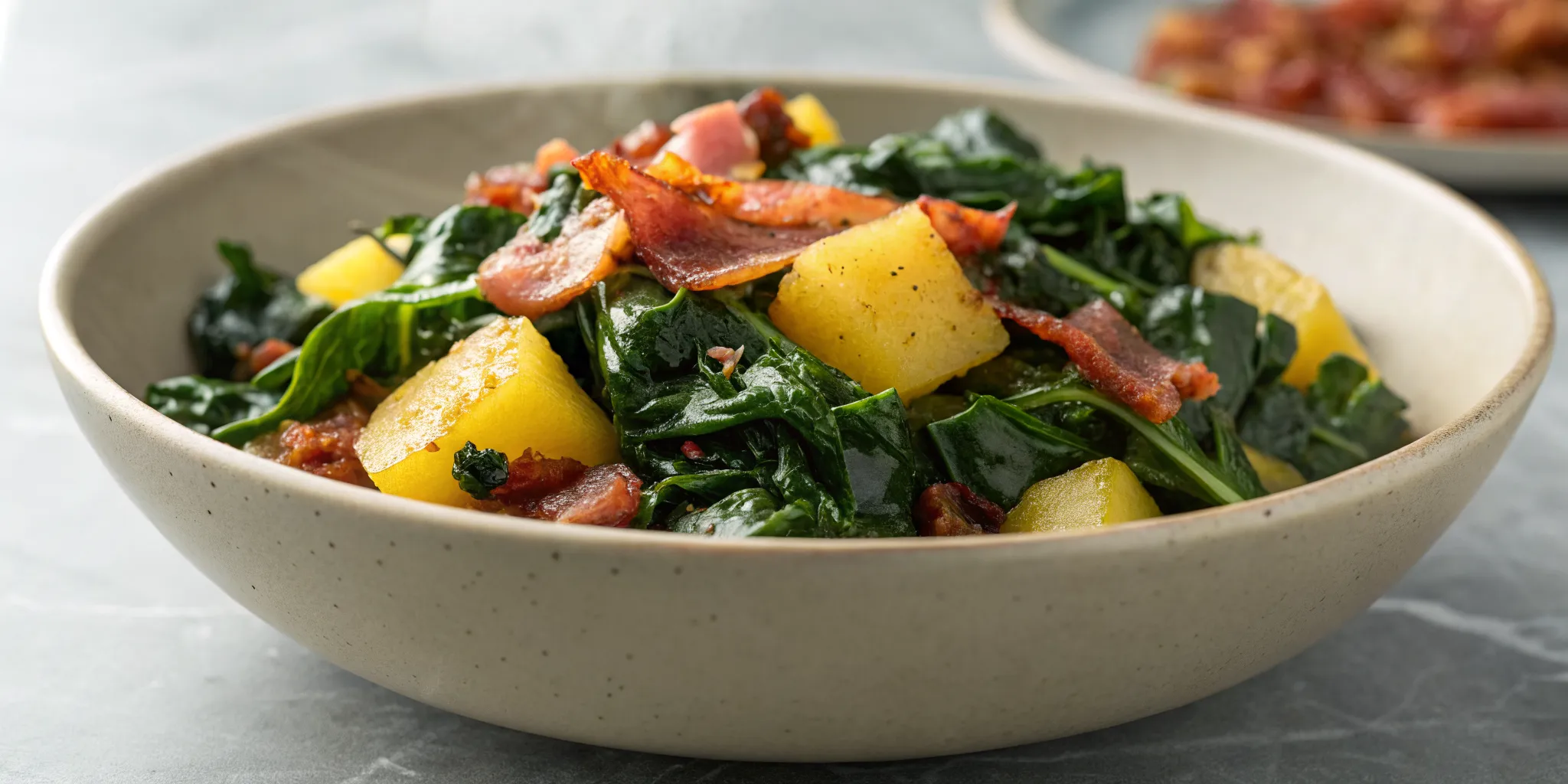
When you think of collard greens, you might picture a small bowl alongside fried chicken or barbecue. But when you add crispy bacon and tender potatoes, this classic side transforms into something much heartier. This recipe for collard greens with bacon and potatoes is satisfying enough to be the star of your plate. The smoky bacon infuses every bite with flavor, while the potatoes soak up the rich, savory broth, making the entire dish incredibly filling. We’ll walk you through how to build those deep, comforting flavors and create a one-pot meal that’s perfect for a cozy weeknight dinner.
Key Takeaways
- Create a flavorful foundation: The best collard greens start with a savory base. Use rendered bacon fat to sauté your onions and simmer the greens in a quality broth, not just water, to infuse them with rich flavor from the very beginning.
- Embrace a slow simmer for tender greens: Patience is the key to avoiding bitterness and achieving a silky texture. Let your greens simmer for at least an hour to allow their tough fibers to break down and soak up all the surrounding flavors.
- Balance the dish with finishing touches: Right before serving, add a splash of apple cider vinegar or a dash of hot sauce. This final step cuts through the richness and brightens the overall flavor, creating that perfectly balanced, classic Southern taste.
What Are Collard Greens?
If you’ve ever sat down for a true Southern meal, you’ve likely seen a bowl of collard greens on the table. This leafy green vegetable is a member of the cabbage family, easily recognized by its large, sturdy leaves and thick stems. Their robust texture is what makes them so special; unlike more delicate greens, collards hold up beautifully during long, slow cooking methods. This makes them the perfect canvas for soaking up rich, savory flavors from ingredients like bacon, smoked turkey, and potatoes.
Why They're a Southern Staple
Collard greens are much more than just a vegetable in the South; they are a cornerstone of its culinary history. Their story in America began during the transatlantic slave trade, when they were introduced to Southern agriculture. Enslaved Africans ingeniously used this hearty green, often combining it with leftover meat scraps to create nourishing and flavorful meals. This resourcefulness and culinary creativity laid the groundwork for what we now know and love as soul food, where collard greens remain a celebrated and essential side dish, rich in both taste and cultural significance.
The Nutritional Punch of Collard Greens
Beyond their incredible flavor, collard greens are packed with health benefits. They are a true nutritional powerhouse, loaded with essential vitamins like A, C, and K, and important minerals such as iron, calcium, and potassium. Collards are also an excellent source of fiber, which is great for digestion. Thanks to their high antioxidant content, they are often called a "superfood." So, when you’re enjoying a comforting bowl of greens, you can feel good knowing you’re also getting a healthy dose of nutrients that support your overall well-being.
Gather Your Ingredients
The secret to amazing collard greens isn't a complicated technique; it's all about starting with high-quality ingredients. A simple dish like this lets each component shine, so taking a few extra minutes at the grocery store will pay off big time. Think of it as setting the stage for that perfect pot of Southern comfort. When you choose fresh greens, flavorful meat, and the right potatoes, you're already halfway to a delicious meal. It’s the same philosophy we follow in our kitchen at Notch8, where every dish starts with the best ingredients we can find.
Pick the Perfect Greens
First things first, let's talk about the star of the show. Collard greens are a member of the cabbage family, known for their large, sturdy leaves and thick stems. When you're at the store, look for bunches with vibrant, dark green leaves. You'll want to avoid any that have yellowing spots, wilting edges, or blemishes. A little local wisdom says that greens harvested after the first frost are sweeter and more tender. While you can't always know that at the supermarket, always aim for younger, more tender-looking leaves for the best results. A great guide to selecting produce can help you spot the freshest options.
Choose Your Meat: Bacon vs. Smoked Turkey
To get that deep, smoky flavor that makes collard greens so irresistible, you need the right kind of meat. This recipe calls for bacon, and for good reason. Classic pork bacon renders down beautifully, creating a flavorful fat to cook your onions in and adding a rich, savory taste to the whole pot. If you're looking for a slightly lighter option, smoked turkey is a popular alternative. Just keep in mind that it won't provide as much fat or flavor, so you might need to compensate with a little extra seasoning. At Notch8, we believe in bold flavors, which you can see all over our menu.
Find the Best Potatoes for the Job
Adding potatoes to your collard greens makes the dish heartier and more filling, turning a simple side into something substantial. The key is to choose a potato that will hold its shape after simmering for a while. Waxy potatoes like Yukon Golds or red potatoes are perfect for this. They become tender without turning to mush. You’ll want to cube them and add them during the last 20 to 30 minutes of cooking so they come out perfectly cooked. This simple addition stretches the dish and adds a wonderful texture that complements the silky greens.
How to Cook Collard Greens with Bacon and Potatoes
Ready to make a pot of collard greens that tastes like it came straight from a Southern kitchen? This recipe is all about building layers of flavor, from the smoky bacon to the tender potatoes. It takes a little patience, but the result is a side dish that’s comforting, savory, and absolutely delicious. If you’re looking for a shortcut, you can always order a side of our greens, but there’s something special about making a pot yourself. Let’s walk through it step by step.
Step 1: Prep Your Greens
First things first, you have to get your greens clean. Collard greens can be sandy, so you’ll want to wash them very well before you start cooking. The best way to do this is to fill your sink with cold water, add the greens, and swish them around to loosen any grit. Let them soak for a few minutes, then drain the water and repeat until the water runs clear. Once they’re clean, pat them dry with a towel, remove the tough stems, and chop the leaves into bite-sized strips. This prep work is the foundation for a great pot of greens.
Step 2: Create a Flavorful Base
This is where the magic begins. Start by chopping up your bacon and cooking it in a large pot or Dutch oven over medium heat until it’s nice and crispy. Once it’s done, use a slotted spoon to remove the bacon bits and set them aside, but leave that beautiful bacon fat in the pot. This is your liquid gold. Next, add your diced onions to the pot and cook them in the bacon fat until they’re soft and translucent. Toss in some minced garlic and red pepper flakes and cook for another minute until fragrant.
Step 3: Add Potatoes and Seasonings
Now it’s time to add the star of the show: the collard greens. Add them to the pot in batches, stirring until they wilt down. Pour in your chicken or vegetable broth, then add your seasonings. For that classic smoky flavor, you can add a smoked turkey leg or a ham hock to the pot. This will simmer with the greens and infuse them with incredible depth. Finally, add your cubed potatoes. You can add them now for a softer texture or wait until the last 20 to 30 minutes of cooking if you prefer them to be more firm.
Step 4: Simmer to Perfection
Bring the pot to a boil, then reduce the heat to low, cover, and let it all simmer. The secret to tender, flavorful greens is to cook the greens slowly. This slow cooking process helps break down their tough texture and mellows out any bitterness. Let them simmer for at least an hour, or even longer, until they are perfectly tender but not mushy. Give them a taste and adjust the seasoning if needed. Just before serving, stir the crispy bacon bits back in for a perfect finish.
How to Make Collard Greens Less Bitter
Let’s talk about the one thing that can make or break a pot of collard greens: bitterness. If you’ve ever had a mouthful of sharp, unpleasant greens, you know exactly what I mean. But that bitterness isn’t a given. In fact, it’s incredibly easy to cook out, leaving you with that silky, savory flavor we all love. It all comes down to a few simple techniques that Southern cooks have perfected over generations.
The key isn’t to mask the flavor of the greens but to complement and mellow it. By cooking them with the right ingredients, balancing the flavors, and starting with the best possible produce, you can ensure your collards are rich and delicious every single time. Forget everything you thought you knew about bitter greens; these tips will completely change your cooking game. Ready to learn the secrets?
Cook Them Low and Slow
Patience is truly a virtue when it comes to collard greens. The best way to tame their natural bitterness is to give them time to break down and soften. A slow simmer allows the tough fibers in the leaves to relax, releasing a milder, more complex flavor. This is where savory ingredients like bacon, smoked turkey, and onions become your best friends. As the greens cook down, they soak up all the rich, smoky flavors from the meat and aromatics, which helps to mellow out any sharpness. Don’t rush the process. Let them bubble away gently on the stove for at least an hour, and you’ll be rewarded with tender, deeply flavorful greens.
Balance with Sweet and Tangy Flavors
Another fantastic way to counteract bitterness is to introduce some contrast. Think of it like a balancing act for your taste buds. A little bit of sweetness or acidity can work wonders. Many traditional recipes call for a splash of apple cider vinegar or a pinch of sugar added directly to the pot toward the end of cooking. This small addition cuts through the bitterness and brightens the overall flavor of the dish. You can also achieve this balance through the side dishes you serve. Collard greens are a natural match for sweet foods like candied yams or baked beans, creating a perfect harmony on your plate.
Start with Young, Tender Greens
The quality of your greens makes a huge difference, and this step starts at the grocery store. Whenever possible, choose collard greens with smaller, younger leaves. These are naturally more tender and significantly less bitter than older, tougher ones. Look for vibrant, dark green leaves without any yellowing or wilting. Avoiding old, tough greens is one of the easiest ways to set yourself up for success before you even turn on the stove. If you can only find large bunches, don’t worry. Just be sure to remove the thick, fibrous stems completely and give them that low and slow cooking time we talked about.
Secrets to More Flavorful Collard Greens
If you want to make collard greens that people rave about, the secret is building deep, complex flavor at every stage. It’s not about one magic ingredient, but a series of simple steps that work together to create a truly memorable dish. From the fat you use to the liquid you simmer them in, each choice adds another layer of savory goodness. These next few tips are the key to transforming your greens from a simple side dish into the star of the show. When you’re ready to taste the real deal, you can find all the Southern staples you love on our menu.
Use Bacon Fat for Sautéing
Let’s start with the foundation of Southern cooking: bacon fat. After you’ve cooked your bacon until it's perfectly crispy, save that rendered fat. That liquid gold is your secret weapon. Use it to sauté your onions and garlic before adding the greens. This simple step infuses the entire dish with a rich, smoky flavor that oil just can’t replicate. It’s a classic technique for a reason, creating a savory base that perfectly complements the earthy taste of the collards.
Layer Flavors with a Good Broth
Here’s another easy swap that makes a world of difference: use chicken or vegetable broth instead of plain water. While water gets the job done, it doesn’t add anything to the party. A quality broth, on the other hand, simmers flavor into the greens, making them richer and more satisfying. It helps all the ingredients, from the bacon to the aromatics, meld together into a cohesive dish. This is a non-negotiable step in what many call "The BEST Collard Greens Recipe," ensuring your greens are tender and packed with flavor from the inside out.
Add Your Finishing Touches
The final few minutes of cooking are where the real magic happens. Just when you think the greens are done, it’s time for the finishing touches. A splash of apple cider vinegar or a dash of your favorite hot sauce cuts through the richness and brightens up the entire dish. A pinch of brown sugar can also work wonders, balancing the bitterness of the greens and the tang of the vinegar. This final step is all about creating that perfect balance of acidity, heat, and sweetness that makes Southern collard greens so addictive. Don’t skip it
Common Mistakes to Avoid
Even the most seasoned home cooks can make a few missteps when it comes to Southern classics. Collard greens are simple, but a few small details can make a huge difference between a good batch and a great one. Let's walk through some common mistakes so you can get this dish right every time. The goal is a perfectly balanced pot of tender greens, savory bacon, and hearty potatoes that tastes like it came straight from a Carolina kitchen. If you want a taste of the real deal, you can always find authentic Southern comfort on our menu.
Overcooking the Potatoes
There's nothing more disappointing than mushy, waterlogged potatoes in your collard greens. You want them to be tender and flavorful, but still hold their shape. The secret is all in the timing. To avoid a potato pile-up, it's best to "add the cubed potatoes during the last 20 minutes of cooking," as cooking experts suggest. This gives them just enough time to cook through and soak up all that delicious, smoky flavor from the bacon and greens without turning into a starchy paste. This simple trick ensures every bite has the perfect texture.
Using Old, Tough Greens
The quality of your ingredients is everything, and that starts with the star of the show: the collards. Using old, tough, or wilted greens is a critical error that can make your final dish bitter and stringy. For the best results, you should "always use young, tender collard greens or greens that have been kissed by frost." Fresher, younger leaves have a milder flavor and a much more pleasant texture when cooked down. Taking a few extra minutes to pick out the best bunch at the store will pay off in a big way.
Forgetting to Season as You Go
Flavorful collard greens are built in layers, not just seasoned at the end. A common oversight is forgetting to season the dish throughout the cooking process. The magic begins with creating a rich, savory liquid base known as "pot likker." This isn't just water; it's a broth infused with ingredients like smoked meats, onions, garlic, and a touch of spice. By seasoning this base and tasting it as you cook, you ensure the flavor penetrates every single leaf and potato. This method creates a depth of flavor you just can't get from a last-minute sprinkle of salt.
How to Customize Your Collard Greens
Once you have a great collard greens recipe, you can start making it your own. Think of the classic recipe as a starting point. With a few simple swaps, you can tailor your greens to fit your exact tastes, whether you prefer them extra smoky, a little spicy, or hearty enough to be a meal. Customizing your collards is all about experimenting with flavors you love to find that perfect combination that makes the dish uniquely yours. Here are a few ideas to get you started.
Try Different Meats
One of the easiest ways to change the flavor of your collards is to switch up the meat. Bacon is a classic for a reason, lending a salty, smoky flavor that’s hard to beat. For a deeper, richer smokiness, try using ham hocks or smoked turkey wings. These options infuse the entire pot with flavor as they simmer. If you want a vegetarian version, you can create a delicious pot of greens by using a flavorful vegetable stock and sautéing aromatics like onions and garlic to build a savory base without any meat.
Adjust the Heat
A little acidity and heat can really make the flavors in your collard greens pop. A common trick is adding a splash of apple cider vinegar or a squeeze of lemon juice at the end of cooking. This simple step brightens the whole dish and cuts through the richness. For more complex flavor, try a dash of your favorite hot sauce or a pinch of red pepper flakes while the greens simmer. A little brown sugar can also balance the bitterness of the greens and the tang of the vinegar, creating a perfect sweet and savory finish.
Mix in Other Veggies and Flavors
Don’t be afraid to get creative by adding other vegetables to your pot. Tossing in diced potatoes is a great way to make your collard greens more filling and stretch the dish further, turning a simple side into a more substantial meal. For a touch of sweetness that complements the savory bacon, add sliced apples and a spoonful of brown sugar, letting them stew with the greens until tender. This creates a beautiful depth of flavor, similar to this apple and bacon-braised recipe that turns collards into something truly special.
How to Serve Your Collard Greens
Once your collard greens are simmered to perfection, the fun part is deciding how to serve them. This dish is incredibly versatile, fitting in just as well at a Sunday dinner as it does at a summer barbecue. Whether you treat them as a classic side or the star of the plate, here are a few ideas to get you started.
Classic Southern Pairings
You can’t go wrong with traditional Southern pairings. A heaping spoonful of collard greens feels right at home next to hearty main courses. Think barbecued meats, crispy fried chicken, or a perfectly cooked piece of catfish. These greens are a tasty Southern side that pairs well with all the fixings, including baked beans, potato salad, and coleslaw. And whatever you do, don't forget a slice of cornbread for sopping up every last drop of that flavorful potlikker. You can find many of these classic combinations on our Notch8 menu.
Turn It Into a Main Dish
Who says collard greens have to be a side dish? When they’re cooked with bacon and potatoes, they are hearty enough to take center stage. Southern slow-cooked collard greens are the perfect accompaniment to smoked meats or stewed black-eyed peas. To turn this into a main course, simply serve a larger portion in a bowl and top it with your protein of choice. A piece of grilled fish or a few slices of smoked sausage on top makes for a satisfying and complete meal that’s packed with flavor and soul.
Perfect Side Dish Ideas
The key to a great plate is balance. Collard greens have a naturally bitter note, so they are wonderful when paired with sweeter foods. That’s why dishes like candied yams, sweet baked beans, and creamy potato salad are such winners alongside them. The sweetness cuts through the bitterness of the greens, creating a delicious contrast that makes you want to go back for another bite. Other great options include creamy mac and cheese or a sweet cornbread casserole. Thinking about this flavor balance will help you build the perfect meal every time.
How to Store and Reheat Leftovers
One of the best things about a big pot of collard greens is that the leftovers are often even better the next day. Storing them correctly is key to enjoying them again. Once your greens have cooled, transfer them to an airtight container. They will keep well in the refrigerator for three to four days, ready for a quick and easy side dish.
If you want to save them for longer, collard greens freeze beautifully. Stored in a freezer-safe container or bag, they can last for up to three months. Having frozen greens on hand is perfect for adding a touch of Southern flavor to future soups and stews without starting from scratch.
When you’re ready to reheat, you have a couple of simple options. For the best results, warm them in a saucepan over medium heat. Add a small splash of chicken broth or water to keep them moist and flavorful. If you’re short on time, the microwave works just fine. Heat them in 30-second intervals, stirring in between, until they are heated through. This dish is also great for meal prep, as you can make the entire dish a day before you plan to serve it, allowing the flavors to meld together even more.
Related Articles
- The Best Southern Style Collard Greens Recipe — Notch8 Carolina Kitchen
- How to Make Authentic Collard Greens Southern Style — Notch8 Carolina Kitchen
Frequently Asked Questions
Can I make this recipe vegetarian? Absolutely. To make a vegetarian version, simply leave out the bacon and use a high-quality vegetable broth instead of chicken broth. Sauté your onions and garlic in olive oil or butter instead of bacon fat. To get that smoky flavor, you can add a pinch of smoked paprika or a few drops of liquid smoke to the pot while the greens simmer.
My collard greens came out tough. What did I do wrong? Tough greens are almost always a sign that they weren't cooked long enough. Collards have sturdy leaves with a lot of fiber, and they need time to break down and become tender. The key is a low and slow simmer. Make sure you let them cook for at least an hour, though an hour and a half is often even better. Don't rush the process; that gentle, extended cooking time is what creates that perfect silky texture.
What exactly is "potlikker" and why is it so important? Potlikker (or pot liquor) is the delicious, nutrient-rich broth left in the pot after the collard greens have finished cooking. It’s infused with all the flavors from the greens, the smoked meat, and the aromatics. This liquid is considered a delicacy in Southern cooking. Never throw it out. The best way to enjoy it is to serve it in the bowl with your greens and use a piece of cornbread to soak up every last drop.
Can I use frozen collard greens instead of fresh ones? Yes, you can definitely use frozen collard greens if you're short on time. For the best results, let them thaw completely and squeeze out as much excess water as possible before adding them to the pot. Keep in mind that frozen greens will have a slightly softer texture than fresh ones, but they will still soak up all the wonderful flavors from the bacon and broth.
Is it really necessary to wash the greens so thoroughly? Yes, this step is non-negotiable. Collard greens grow in sandy soil, and that fine grit loves to hide in the crevices of the leaves. Nothing ruins a pot of greens faster than a crunchy, sandy bite. Taking the time to soak and rinse them a few times until the water is completely clear ensures your final dish is delicious and grit-free. It’s a few extra minutes of prep that makes all the difference.