
From Kitchen to Table: Southern Cornbread Recipe With Southern Hospitality
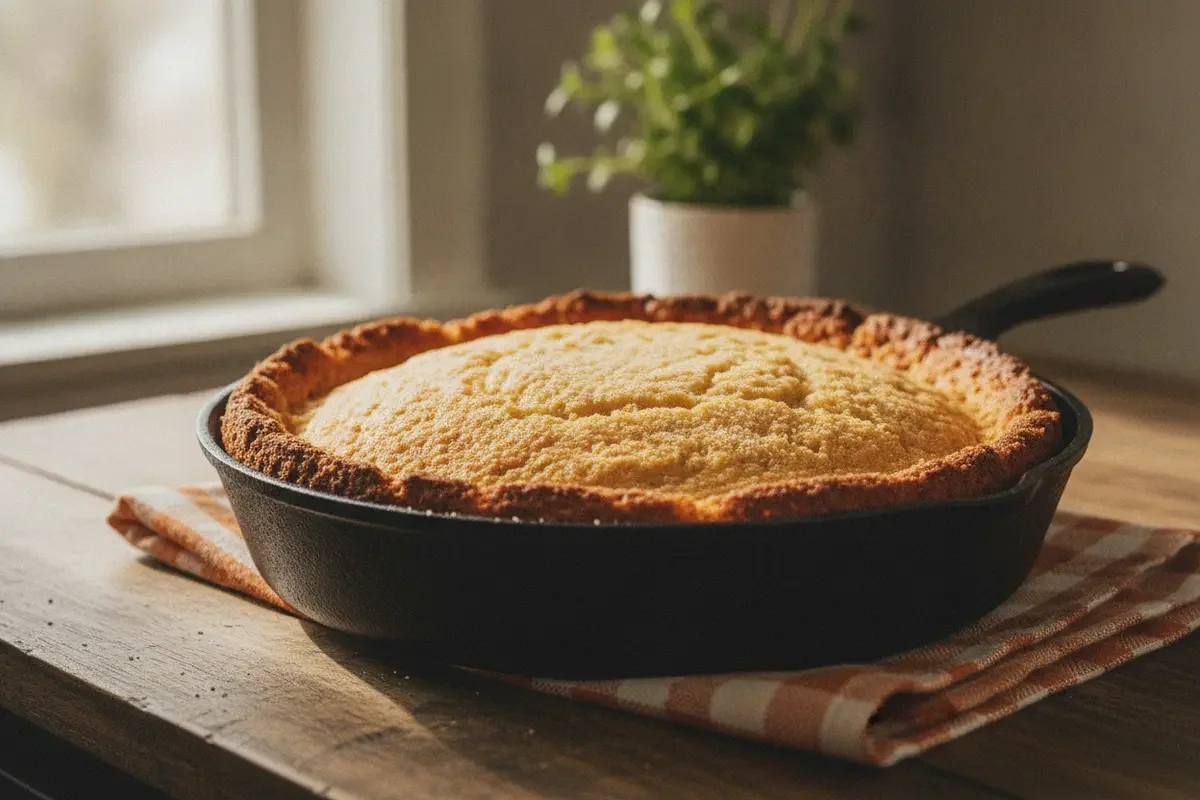
A good southern cornbread recipe starts with a hot pan, a short ingredient list, and a texture you can make your own. This version bakes up with a crisp, browned edge and a tender middle, whether you serve it beside supper or bring it to a family table.
What Makes a Southern Cornbread Recipe a Favorite?
Answer: Southern cornbread is built around cornmeal and a simple bake, with the flavor and texture shaped by the cook. A hot skillet helps form a browned crust, while buttermilk and a little fat keep the center tender.
There is no single rule that settles every cornbread question. Some cooks prefer a savory loaf with little or no added sugar. Others like a hint of sweetness, a softer crumb, or a touch of wheat flour for structure. Your best version is the one that suits the meal and the people gathered around it.
Cornbread also carries a strong place in Southern food traditions. A University of South Carolina thesis on cornbread and Southern identity explores that connection, while the Smithsonian's account of what neighbors place on their tables includes cornbread among familiar Southern dishes. Those sources offer a cultural backdrop, not one required recipe; household versions can differ in sweetness, shape, and texture.
Think of this recipe as a useful starting point rather than a claim about any restaurant's kitchen. At Notch8 Carolina Kitchen, diners can check the current menu for available dishes, since items and availability can change. For more context on familiar Southern plates, browse this guide to Southern comfort foods.
Which Ingredients Does a Southern Cornbread Recipe Need?
Answer: Gather cornmeal, flour, baking powder, salt, eggs, buttermilk, and melted butter or a neutral oil. The recipe below makes one 9-inch skillet or an 8-inch square pan of cornbread, about 8 modest portions.
1 cup yellow or white cornmeal
1 cup all-purpose flour
1 tablespoon baking powder
1/2 teaspoon baking soda
3/4 teaspoon fine salt
2 large eggs, at room temperature if convenient
1 1/4 cups buttermilk
1/4 cup melted butter, plus 1 tablespoon for the skillet
1 tablespoon sugar, optional
Medium- or fine-ground cornmeal gives an even crumb. A coarser grind makes the texture more noticeable. Either can work; use what you enjoy and follow its package directions if the grind is unusually coarse. For a more savory profile, leave out the optional sugar. For a gently rounded flavor, use it without expecting a cake-like result.
Buttermilk adds tang and helps the batter stay moist. If you do not have it, stir 1 tablespoon of lemon juice or plain vinegar into a measuring cup, add milk to reach 1 1/4 cups, and let it stand for about five minutes. The result is a practical substitute, though its flavor and thickness may differ from cultured buttermilk.
Before you start, set out the ingredients and choose your pan. A 9-inch cast-iron skillet gives the most direct route to a crisp edge. A metal baking pan works too; a glass pan may brown differently, so begin checking near the early end of the bake time.
For more consistent results, measure flour by spooning it lightly into the cup and leveling the top rather than packing it down. Packed flour can add more than the recipe needs and leave the crumb dry. If you have a kitchen scale, use the package's weight guidance for your flour and cornmeal because brands and grinds can vary. Keep the buttermilk near room temperature if you can; very cold liquid can cool the melted butter and make it firm in little flecks.
Plan the baking window around the rest of the meal. The batter comes together quickly, but the skillet needs time to heat, and the baked bread benefits from a short rest before cutting. If the main dish needs the oven at another temperature, bake the cornbread separately when practical rather than making a large temperature change at the last minute. The goal is steady heat and a hot pan, not a complicated schedule.
How Do You Make Skillet Cornbread?
Answer: Heat the oven and skillet, mix dry and wet ingredients separately, then combine them just until no large dry patches remain. Pour the batter into the hot greased pan and bake until the center is set and the top is golden.
Heat the oven. Set it to 425°F. Put a 9-inch cast-iron skillet in the oven while it heats. A hot skillet is important for the browned base, so handle it with a dry oven mitt and remember that its handle stays hot.
Combine the dry ingredients. In a medium bowl, whisk together the cornmeal, flour, baking powder, baking soda, salt, and optional sugar. Breaking up small lumps now helps you avoid overmixing later.
Combine the wet ingredients. In another bowl, whisk the eggs, buttermilk, and 1/4 cup melted butter. Let the butter cool briefly before adding it so it does not scramble the eggs.
Mix gently. Pour the wet mixture into the dry ingredients. Stir with a spatula just until the flour is moistened. A few small lumps are fine. Mixing until perfectly smooth can make the baked crumb tougher.
Grease the hot pan. Carefully take the skillet from the oven. Add the remaining tablespoon of butter and tilt the pan to coat the bottom. Work quickly, but keep your hand protected and do not touch the skillet barehanded.
Pour and bake. Pour the batter into the skillet. It should sizzle lightly at the edges. Return the pan to the oven and bake for about 18 to 22 minutes.
Check the center. The top should look set and lightly golden. A toothpick inserted near the center should come out without wet batter. If the middle still looks loose, bake for a few more minutes and check again.
Rest before serving. Set the skillet on a heat-safe surface and let the cornbread rest for 5 to 10 minutes. Cut it into wedges and serve warm, taking care around the hot pan.
Ovens and pans vary, so use the time as a guide rather than a promise. A dark skillet may brown the bottom more quickly. If you use a square baking pan, grease it well, preheat it only if it is oven-safe to do so, and start checking around 18 minutes.
How Can You Adjust the Texture and Flavor?
Answer: Keep the basic dry-to-wet balance steady, then make one small change at a time. More cornmeal emphasizes a grainy, corn-forward bite; a little more flour tends toward a softer, bread-like crumb.
More savory: Omit the optional sugar for a less sweet flavor that pairs easily with savory dishes.
A little sweeter: Use the optional 1 tablespoon sugar for gentle sweetness without changing the method.
More corn-forward: Replace 1/4 cup flour with 1/4 cup cornmeal for a more pronounced cornmeal texture; avoid adding extra liquid at first.
Softer crumb: Use fine-ground cornmeal and avoid overmixing for a more even, tender bite.
No cast iron: Use a greased 8-inch square metal pan for convenient slices, and watch the edges and center as it bakes.
Try only one adjustment on your first bake. That makes it easier to tell which change helped. If you replace a substantial amount of flour with cornmeal, the texture can become more fragile. If you add cheese, corn kernels, or chopped peppers, keep the additions modest and drain wet ingredients well so the middle can bake through.
For an easy variation, fold a small handful of grated cheese into the batter just before it goes into the skillet. A few sliced scallions can add a mild savory note. Keep add-ins evenly distributed, and avoid piling them on top in a thick layer, where they can hold moisture against the center. If you want a topping, scatter a little cheese over the batter instead of adding several extra ingredients at once.
Want to make the cornbread more tender without changing the flavor much? Take care not to press or pack the batter into the pan; spread it gently so it reaches the edges. Let the finished bread rest briefly before cutting. This gives the crumb a moment to settle and makes the wedges easier to lift in one piece.
A little butter on a warm wedge is an easy finish. For a fuller plate, consider serving cornbread alongside greens or another favorite side. You can find more Southern meal inspiration in this recipe for Southern-style collard greens and this list of comfort food ideas.
What Should You Serve With Cornbread?
Answer: Pair cornbread with savory mains, soups, beans, or vegetables, and let the rest of the meal determine whether you want a sweeter or more savory bake. It can be a small side for an everyday supper or one part of a larger shared spread.
For a balanced plate, combine a warm main dish with vegetables and a piece of cornbread. Keep the flavors in conversation: a plain or savory loaf sits comfortably beside richly seasoned food, while a touch of sweetness can soften a spicy or smoky plate. There is no need to make every side elaborate. A familiar menu can feel generous when it is served hot and shared without fuss.
For a casual meal at home, cut the cornbread into wedges while it is still slightly warm. If you are serving a crowd, cut smaller squares so guests can take a piece without filling their plates too early. Set out butter separately and keep the bread covered loosely while it is warm; a tightly sealed container traps steam and can soften the crust.
To build a broader Southern spread, add a dish such as pimento cheese dip as a starter, then plan the main meal around what guests enjoy. Restaurant diners in Florence, SC can check the Visit page for hours and directions before setting out. Notch8 is open Wednesday through Saturday, 11 a.m. to 8 p.m.; confirm current details before your visit.
What Are the Best Ways to Plan Cornbread for a Group?
Answer: Decide whether you will bake at home, dine in, pick up a meal, or arrange catering, then confirm the current menu, guest count, timing, and service details. A little planning helps keep a simple side dish from becoming a last-minute concern.
For a home gathering, make a test batch before scaling up. Note the pan size, bake time, and portion size that work in your kitchen. Scaling a recipe is not always as simple as doubling every measurement: a deeper pan can leave the center underbaked while the edges brown. Two shallow pans are often easier to manage than one very deep pan. Bake pans in batches if oven space is limited.
For a restaurant meal, look at the Southern kitchen menu or current menu details before choosing. Dishes and availability can change, so use the current menu or ordering page for the latest information. Online orders are placed through Toast; review current options on the online ordering page.
For an event, start with the meal format and headcount. Notch8 provides professional catering for corporate and social occasions, and delivery is available for orders of 10 plates or more. Most catering items require a 10-person minimum and 24-hour notice. Custom cakes require 48-hour notice, and final event counts are due seven days before service. Corporate and other catered events require a 50% deposit and signed contract. Check the catering terms and catering menu for current requirements and options.
Choose the serving style: plated meal, buffet, boxed meal, or home-style spread.
Estimate the guest count and identify any dietary needs to discuss.
Review the current menu and ask which items fit the event format.
Confirm the date, delivery or pickup details, and the time food should be ready.
Check notice periods, minimums, final count deadlines, deposit, and contract terms.
For catering questions, visit the catering information page or use the contact page to discuss the event. Notch8's dedicated catering team manages more than 800 events annually, according to the company's business information, and can help clarify which options suit a particular gathering.
How Do You Store and Reheat Leftovers?
Answer: Cool leftover cornbread, cover it, and refrigerate it if you will not eat it soon. Reheat individual pieces gently so they warm through without drying out.
Let the cornbread cool until it is no longer steaming heavily, then transfer it to a covered container. Refrigerate leftovers within a reasonable time rather than leaving them out overnight. For the best texture, eat them within a few days. If you want to keep pieces longer, wrap portions well and freeze them; thaw in the refrigerator before warming.
To reheat a wedge, place it in a low oven until warmed through, or use short bursts in a microwave. The oven better preserves a dry, crisp edge, while the microwave is quick and may soften the crust. Add a small pat of butter after warming if you like. Avoid repeated reheating of the entire batch; warm only what you plan to serve.
What Common Cornbread Problems Can You Fix?
Answer: Dry, dense, or uneven cornbread usually points to a small issue with measurement, mixing, pan heat, or bake time. Check one factor at a time on the next batch rather than changing the entire recipe.
Dry or crumbly: Check that you measured the flour and cornmeal accurately, and avoid baking beyond the point when the center is set. A coarse cornmeal may also make the crumb seem drier.
Dense or tough: Mix only until the wet and dry ingredients come together. Confirm that your baking powder is fresh and that the oven is fully heated.
Pale bottom: Preheat the skillet and oven. If using a pan that cannot be preheated, grease it well and allow for a slightly different crust.
Dark edges, wet center: The pan may be too deep or the oven may run hot. Use a shallower pan and check doneness near the middle rather than relying only on the edges.
Batter does not sizzle in the skillet: The pan may have cooled while you mixed. Return it to the oven briefly before adding the batter, using safe handling throughout.
Keep short notes in the recipe margin: the cornmeal grind, pan type, oven setting, and the actual bake time. That gives you a useful baseline when you bake again and helps you adjust to your own oven without guesswork.
Contact Us About Your Gathering
Frequently Asked Questions
Is Southern cornbread supposed to be sweet?
Not necessarily. Some cooks prefer a savory version, while others add a small amount of sugar. This recipe makes the sugar optional so you can choose the flavor that suits your table.
Can I make this recipe without a cast-iron skillet?
Yes. Use a greased 8-inch square metal baking pan. The edges may not brown in exactly the same way, so begin checking the center around 18 minutes and continue until it is set.
Can I mix the batter ahead of time?
It is best to mix the batter shortly before baking. Once the wet and dry ingredients meet, the leavening begins to work. Prepare the separate ingredients in advance, then combine them when the oven and pan are ready.
How do I know the cornbread is done?
The top should look set and lightly golden, and a toothpick near the center should come out without wet batter. If the center still looks loose, give it a few more minutes and check again.
Where can I check Southern food options in Florence, SC?
Review Notch8 Carolina Kitchen's current menu and ordering information online, or check the Visit page for hours and directions. Menu items and availability may change, so confirm the details before you go.
Bring a Warm Pan to the Table
A dependable cornbread recipe does not need a long list of ingredients or a complicated method. Heat the pan, mix gently, watch the center as it bakes, and serve the wedges in the way your table enjoys them best.
