
Banana Pudding: Meringue or Whipped Cream?
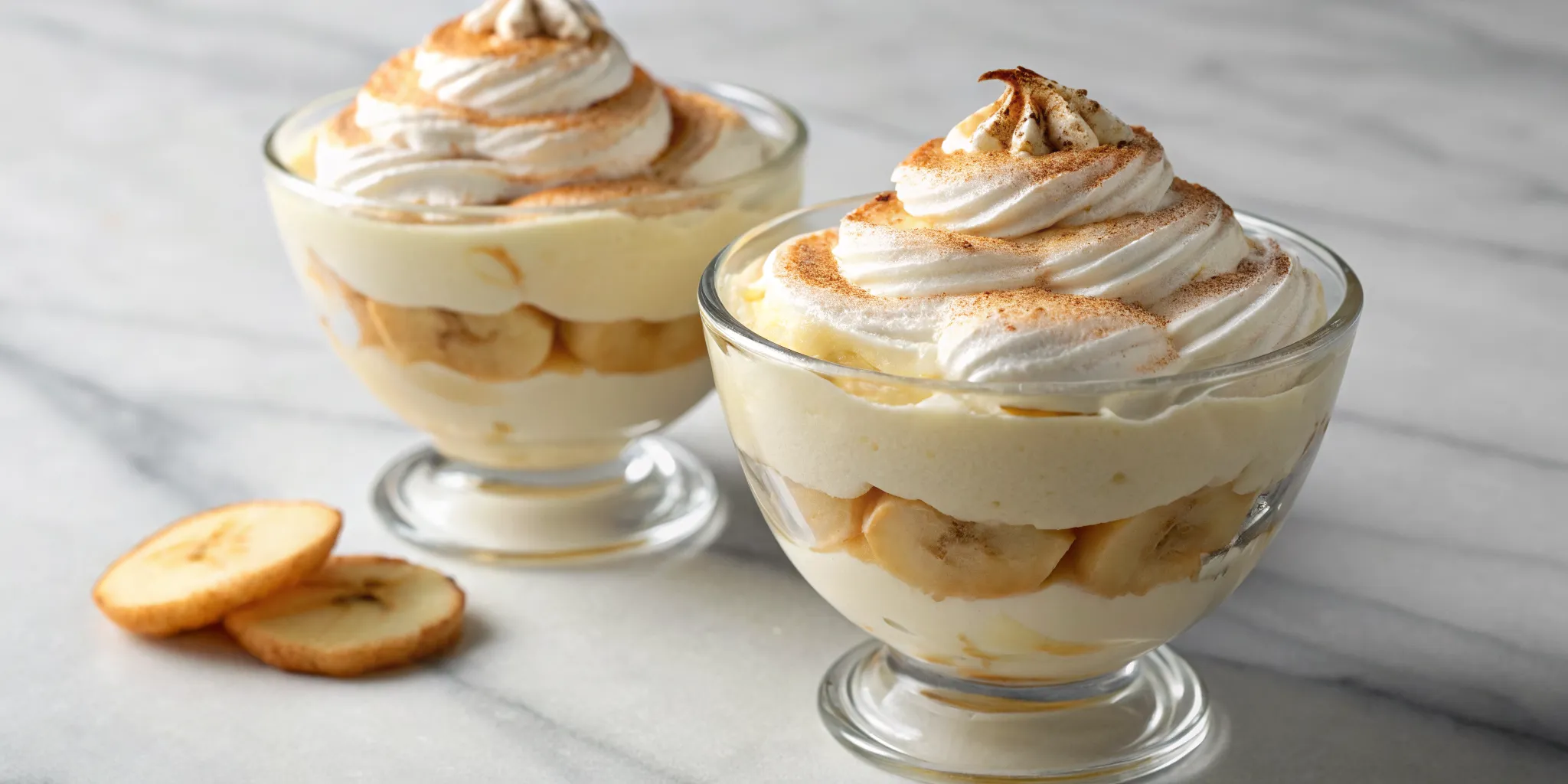
You’ve layered the vanilla wafers, sliced the bananas, and lovingly prepared the rich, creamy custard. Your banana pudding is almost complete, but the final, most important decision still lies ahead. The topping is the grand finale, the element that defines the entire dessert. Will you go the traditional route with a fluffy, baked meringue, or opt for the cool, simple decadence of whipped cream? Choosing between banana pudding meringue or whipped cream can feel like a major commitment, as each one completely transforms the final product. We’ll break down the differences in flavor, texture, and preparation to help you make the perfect choice for your pudding every single time.
Key Takeaways
- Choose your topping based on the occasion: Meringue is the classic choice for a traditional, show-stopping Southern dessert with a light, airy texture. Whipped cream is a fantastic alternative for a quicker, no-bake option that offers a rich, creamy, and less sweet finish.
- Technique makes all the difference: For a perfect meringue, use completely clean tools and spread it over a hot filling to prevent shrinking. For ideal whipped cream, start with cold cream and a chilled bowl, and stop whipping as soon as soft peaks form to avoid a grainy texture.
- Plan for chill time: Banana pudding tastes best when made at least four hours in advance, or even the day before, to allow the wafers to soften and the flavors to fully develop. For the freshest result, add your whipped cream topping just before serving.
Meringue vs. Whipped Cream: What's the Difference?
When it comes to topping banana pudding, you’ll find folks firmly in one of two camps: Team Meringue or Team Whipped Cream. It’s a classic Southern debate, and honestly, there’s no wrong answer. Both toppings bring something special to the table, but they are worlds apart in taste, texture, and even how they’re made. Choosing the right one for your pudding really comes down to what you’re looking for in that final, perfect bite. Let’s break down the key differences so you can decide which topping wins a spot on your dessert plate.
Texture and Taste
The biggest difference you’ll notice right away is the texture. Meringue is crafted from whipped egg whites and sugar, then baked until it’s light and airy with a beautiful toasted top. It creates a wonderful, cloud-like contrast to the dense, creamy pudding and soft vanilla wafers underneath. On the other hand, whipped cream is pure, simple decadence. Made from heavy cream whipped into soft peaks, it’s rich, smooth, and melts in your mouth. It adds another layer of creaminess to the dessert, making each spoonful feel incredibly lush.
Flavor Profiles
If you have a serious sweet tooth, meringue is probably calling your name. Because it’s made with a good amount of sugar, meringue has a distinct, sugary sweetness that stands out. It’s a bold choice that gives your banana pudding a dramatic look and taste. If you prefer something a little more subtle, whipped cream is the way to go. Its flavor is mild and creamy, with just a hint of sweetness (you can control how much sugar you add). This allows the flavors of the banana and vanilla pudding to really shine through without being overpowered.
A Look at Nutrition
For those keeping an eye on calories, the difference between these two toppings is pretty significant. Meringue is surprisingly light in the calorie department. Since it’s mostly air and egg whites, a generous dollop of perfect meringue has only about five calories. Whipped cream, being made from high-fat heavy cream, is much richer. A similar-sized spoonful of whipped cream contains around 52 calories. Again, neither is a "bad" choice, but it's a helpful piece of information if you're looking for a lighter way to finish your favorite Southern dessert.
How to Make Perfect Meringue for Banana Pudding
That beautiful, toasted meringue is the crown jewel of a classic Southern banana pudding. It might seem a little intimidating if you’ve never made it before, but it’s completely achievable in your own kitchen. With the right technique, you can create a fluffy, stable topping that perfectly complements the creamy pudding beneath. It’s all about following a few key steps and avoiding some common pitfalls. Let’s walk through how to whip up a perfect meringue that will make your banana pudding the star of the show.
What You'll Need: Ingredients and Tools
At its core, meringue is wonderfully simple. The two most important ingredients are egg whites and sugar, which work together to create that signature light and airy texture we all love. You’ll also want a splash of vanilla extract for flavor and a tiny pinch of salt to balance the sweetness. For your tools, grab a clean metal or glass bowl, a whisk, and either a stand mixer or an electric hand mixer. I can’t stress the word “clean” enough here. Any little bit of grease or oil on your equipment can keep your egg whites from whipping up into beautiful, fluffy peaks.
A Step-by-Step Guide to Meringue
This process creates a Swiss meringue, which is incredibly stable and glossy, making it ideal for topping banana pudding. This method ensures a stable meringue that won't "weep" or pull away from the sides of your dish after baking.
Gently heat the egg whites and sugar. Start by combining your egg whites, sugar, vanilla, and salt in your clean metal bowl. Place this bowl over a saucepan filled with an inch or two of simmering water, creating a double boiler. Make sure the bottom of the bowl doesn’t touch the water. Whisk the mixture constantly until the sugar has completely dissolved. You can test this by rubbing a little between your fingers; it should feel perfectly smooth. If you’re using a kitchen thermometer, you’re looking for a temperature between 160 and 165 degrees Fahrenheit.
Whip it to stiff peaks. Once the sugar is dissolved, carefully move the hot mixture to the bowl of your stand mixer with the whisk attachment, or just use your hand mixer. Start on a low speed and gradually increase to high. Beat for about 3 to 4 minutes until the meringue is thick, bright white, and glossy. The final test is checking for "stiff peaks." When you lift the whisk out of the bowl, the meringue peak should stand straight up without curling over.
Avoid These Common Meringue Mistakes
Getting meringue right is all about precision, but once you know what to look for, it becomes second nature. Here are a few tips to help you sidestep some of the most common meringue mistakes and achieve perfect results every time.
First, as mentioned before, make sure your bowl and beaters are spotless and completely dry. Fat is the enemy of meringue, and even a tiny trace of oil can prevent the egg whites from whipping up properly. Second, be very careful when you separate your eggs. Even a small drop of egg yolk contains fat and can ruin your meringue. It’s often best to separate each egg into a small bowl before adding the white to your main mixing bowl. Finally, know your peaks. You want to whip the meringue until it forms stiff, not soft, peaks to ensure it holds its beautiful shape on your pudding.
Why Choose Meringue Over Whipped Cream?
When it comes to topping banana pudding, the debate between meringue and whipped cream is a classic for a reason. While both are delicious, meringue holds a special place in the heart of Southern cooking. It’s more than just a topping; it’s a statement. Choosing meringue connects your dessert to a long line of tradition, creating an authentic experience that’s hard to replicate. Beyond its history, meringue offers some practical perks that make it a standout choice for both its flavor and its presentation. If you want a topping that’s light, traditional, and beautiful, meringue is the clear winner.
It's a Lighter Option
If you’re looking for a way to enjoy a rich dessert without the heaviness, meringue is your best friend. It’s essentially just whipped egg whites and sugar, making it a much lighter alternative to cream-based toppings. To put it in perspective, a serving of whipped cream can have over 50 calories, while the same amount of meringue has only about five. This means you can add a generous, fluffy cloud of topping to your banana pudding without a second thought. It delivers all the sweetness and texture you crave, allowing the creamy pudding and fresh banana flavors to shine through.
It's the Traditional Southern Way
For many, it just isn’t true Southern banana pudding without a beautiful, toasted meringue on top. This is how grandmothers and their grandmothers before them made it. When you’re making classic Southern desserts, sticking to tradition is part of the charm. The meringue isn't just for show; its light, airy texture perfectly complements the dense, creamy pudding and soft vanilla wafers. It’s the final layer in a masterpiece of textures and flavors, creating the authentic taste that defines this beloved dish. Opting for meringue is a nod to the dessert’s roots and a commitment to genuine Southern flavor.
It Looks Great and Holds Up Longer
Let’s be honest, we eat with our eyes first. A banana pudding crowned with golden-brown peaks of meringue is a showstopper. It adds a dramatic, rustic elegance that whipped cream just can’t match. Beyond its good looks, meringue is also more stable. It holds up better over time and is less likely to weep or deflate, especially in warmer weather. This makes it the perfect choice for potlucks, family gatherings, or any occasion where the dessert might sit out for a while. Your pudding will look just as delicious when you serve it as it did when you pulled it from the oven.
How to Make the Perfect Whipped Cream Topping
While meringue is the classic Southern choice, a dollop of fresh whipped cream on banana pudding is pure bliss. It’s creamy, rich, and surprisingly easy to make from scratch. Forget the canned stuff. With just a few simple ingredients and the right technique, you can create a light, airy topping that perfectly complements the sweet pudding and vanilla wafers. Getting that perfect texture comes down to a few key details, from the temperature of your cream to the speed of your mixer. Let’s walk through how to get it right every time.
Choose and Prep Your Heavy Cream
The secret to amazing whipped cream starts with one crucial ingredient: cold heavy cream. When making whipped cream, it's essential to start with heavy cream, which has a higher fat content that allows for better whipping and stability. This fat is what traps the air bubbles and gives your topping its fluffy structure. For the best results, make sure your cream is straight-from-the-fridge cold. I even like to chill my mixing bowl and beaters in the freezer for about 15 minutes before I start. This little step helps the fat in the cream whip up beautifully, giving you a more voluminous and stable final product.
Whip It Right for the Perfect Texture
Patience is your best friend when whipping cream. To achieve the perfect texture, begin whipping the cream on a low speed to incorporate air, then gradually increase to medium-high speed until soft peaks form. You’ll know you’ve hit the soft peak stage when you lift the beaters and the tip of the cream gently folds over on itself. This is often the perfect consistency for spooning over banana pudding. Be careful not to overbeat, as this can lead to a grainy texture. If you keep going, you’ll eventually make butter, which is great for toast but not so much for dessert. Watching the stages of whipped cream helps you know exactly when to stop.
How to Make Your Whipped Cream Last
There’s nothing sadder than a whipped cream topping that deflates before you can serve it. To help your whipped cream last longer, consider adding a stabilizer such as powdered sugar or cornstarch, which can help maintain its structure and prevent it from weeping. Powdered sugar is a great two-in-one ingredient because it contains cornstarch, which helps absorb excess liquid. Simply add it in with your vanilla extract once the cream has reached the soft peak stage. This is especially helpful if you’re making your banana pudding a few hours ahead of time and want the topping to stay picture-perfect in the fridge.
Can You Use Whipped Cream Instead of Meringue?
The short answer is a resounding yes. While a beautiful, toasted meringue is the crown jewel of traditional Southern banana pudding, whipped cream is a fantastic alternative. The choice really comes down to your personal taste, how much time you have, and the experience you want to create. Think of it less as a strict rule and more as choosing your own dessert adventure.
Swapping meringue for whipped cream changes the entire character of the pudding. It moves from a baked, slightly marshmallowy dessert to a cool, creamy, and often lighter one. Neither is better than the other; they’re just different. If you’re serving a crowd with mixed preferences or simply want to try something new, using whipped cream is a great way to put a fresh spin on a beloved classic. Let’s get into the specifics of when and why you might want to make this delicious swap.
When to Make the Swap
The best reason to choose whipped cream is for convenience. If you’re short on time or just don’t want to turn on your oven, whipped cream is your best friend. Since all the other layers of the pudding are already cooked, skipping the meringue topping makes this a completely no-bake dessert. You can assemble the pudding, top it with a fluffy layer of whipped cream, and pop it in the fridge to chill. This is a lifesaver on a hot day or when you need a quick dessert for a last-minute get-together. It’s also a great option if you’re not a fan of meringue’s texture or sweetness.
Adjust for Sweetness and Texture
This is where personal preference really comes into play. Meringue is known for being very sweet and having a light, airy, almost marshmallow-like texture after it’s baked. It creates a dramatic, golden-brown look that’s pure Southern charm. On the other hand, whipped cream offers a much milder sweetness and a rich, creamy texture that melts in your mouth. If you find traditional banana pudding a bit too sugary, whipped cream provides a wonderful balance to the sweet custard and bananas. For an even better topping, you can make a stabilized whipped cream that holds its shape beautifully.
How Storage and Serving Differs
No matter which topping you choose, banana pudding is a dessert that’s best enjoyed within a few days. The bananas will inevitably start to brown and release water, so freshness is key. A meringue-topped pudding can sometimes "weep," creating a layer of liquid between the meringue and the custard. Whipped cream doesn’t have this issue, but it can start to deflate over time if it isn’t stabilized. For the best presentation and texture, I recommend adding the whipped cream topping just before you plan to serve it. This ensures every spoonful is perfectly cool, creamy, and delicious.
Which Topping Is Right for the Occasion?
Choosing between meringue and whipped cream isn't just about taste; it's about the experience you want to create. Are you hosting a traditional family get-together, or are you bringing a dessert to a potluck with friends who have different dietary needs? The right topping can make all the difference. Think about your guests, the overall menu, and the kind of statement you want your banana pudding to make. Both options are delicious, but one might be a better fit for your specific event. Let's walk through a few scenarios to help you decide.
For a Classic Southern Dessert
If you’re aiming for that truly authentic, passed-down-through-generations Southern banana pudding, meringue is the only way to go. It’s the topping that defines the classic version of this dessert. Imagine rich, creamy pudding layered with vanilla wafers and fresh banana slices, all crowned with a cloud of toasted, fluffy meringue. This is the version that likely comes to mind when you think of a classic Southern banana pudding. It’s perfect for family reunions, holiday dinners, or any time you want to serve up a slice of pure comfort and tradition. The meringue adds a special touch that feels both nostalgic and celebratory.
For Modern Twists and Dietary Needs
Whipped cream is your best friend when you need a little more flexibility. It’s a fantastic choice for a more modern take on banana pudding and is incredibly adaptable. If you're short on time or catering to different preferences, you can easily use shortcuts like store-bought whipped topping. This makes it a great option for casual get-togethers or potlucks where you might not know everyone's dietary restrictions. A banana pudding with a whipped topping can be a bit lighter and is often a crowd-pleaser for those who prefer a less sweet dessert.
Consider Your Presentation Style
How do you want your banana pudding to look when it hits the table? For a show-stopping, impressive dessert, meringue is hard to beat. Those beautiful, golden-brown peaks create a dramatic look and add a distinctly sweet flavor that many people love. If you prefer a simpler, more understated elegance, whipped cream is a wonderful choice. It provides a clean, creamy finish that beautifully complements the pudding without overpowering it. Your decision here really comes down to the aesthetic you're going for and whether you want a bold, sweet flavor or a lighter, creamier one.
What Mistakes to Avoid with Your Topping
The topping is the grand finale of your banana pudding, but a few common missteps can turn it from a showstopper into a disappointment. Whether you’re team meringue or team whipped cream, the right technique makes all the difference. Getting that perfect texture and flavor is easier than you think once you know what to look out for. Let’s walk through some simple fixes for the most frequent topping troubles so your banana pudding comes out perfectly every time.
Meringue Pitfalls to Watch For
Meringue can feel a little fussy, but it’s all about setting yourself up for success. First, make sure your mixing bowl and beaters are completely clean and dry. Any trace of oil or fat will stop your egg whites from whipping into beautiful, stiff peaks. Be just as careful when separating your eggs; even a tiny speck of yolk can ruin the batch. Another common issue is weeping, which happens when liquid pools between the meringue and the filling. You can avoid this by spreading your meringue over a hot filling, which helps cook the bottom layer and create a better seal.
Don't Overbeat Your Whipped Cream
There’s a fine line between soft, pillowy whipped cream and a grainy, over-whipped topping. If you beat the cream for too long, it will start to look curdled and eventually turn into butter. The key is to pay close attention as you whip. You’re looking for soft or medium peaks, which means when you lift the beater out of the cream, the peak that forms will gently fold over on itself. Stop right there. It’s always better to stop a little early and finish by hand with a whisk if you need to. This gives you more control and prevents you from accidentally going too far.
Get Your Temperature and Timing Right
When it comes to meringue, temperature and timing are everything. For the best results, always start with room-temperature egg whites. They whip up much faster and create more volume than cold egg whites, giving you a lighter, airier topping. The second crucial step is to always spread the meringue on top of your banana pudding while the filling is still hot from the stove. This helps cook the meringue from the bottom up, preventing it from shrinking away from the edges of the dish or weeping later on. Following these two rules is a simple way to get a perfect meringue every time.
Pro Tips for Perfect Banana Pudding Toppings
Whether you land on team meringue or team whipped cream, a few simple tricks can make your banana pudding truly memorable. Getting the topping just right is what separates a good dessert from a great one. It’s all about paying attention to the small details, like temperature, timing, and the tools you use. These tips will help you nail the perfect topping every single time, ensuring your pudding is the star of the show. After all, when you’re making a classic Southern dish, you want to do it justice. Here are a few of our go-to secrets for creating a flawless finish for your banana pudding.
The Secret to Temperature Control
Temperature is everything, especially when you're working with meringue. One of the best pieces of advice is to spread your meringue over the banana pudding while the filling is still hot. This simple step helps cook the bottom of the meringue, which prevents it from shrinking away from the edges or "weeping" watery beads later on. When you're whipping the egg whites, aim for stiff peaks. This means that when you lift the beaters out, the meringue stands up straight without flopping over. This sturdy texture ensures your topping holds its beautiful shape when you bake it.
Our Favorite Tools for the Job
You don’t need a lot of fancy equipment, but the right tools can make a huge difference. For meringue, the most important rule is to start with a completely clean, dry bowl and beaters. Any little bit of grease or fat will stop your egg whites from whipping up into a fluffy cloud. If you want that classic, beautifully browned look on your meringue, a kitchen torch is a fantastic tool to have. It gives you precise control for toasting the peaks to a perfect golden-brown without overcooking the whole dessert. It’s a small touch that makes your pudding look like it came straight from a professional kitchen.
How to Time Your Prep
Timing can be tricky, but it’s key to a fresh-tasting pudding. The good news is that you can absolutely make your banana pudding a day ahead. In fact, many people think it tastes even better the next day because it gives the vanilla wafers time to soften and the flavors a chance to meld together in the fridge. However, you’ll want to assemble everything close to when you plan to serve it, ideally within four hours. The longer the pudding sits with the cut bananas, the more they’ll start to brown. A little planning ensures every spoonful is as fresh and delicious as possible.
How to Store and Serve Your Banana Pudding
You’ve layered the vanilla wafers, sliced the bananas, and poured that creamy custard. Now comes the final, crucial step that separates a good banana pudding from a truly unforgettable one: the chill time and serving. How you store your dessert makes all the difference, allowing the flavors to meld together into that classic, comforting taste we all crave. It’s what transforms the crunchy wafers into soft, cake-like layers. A few simple serving tricks will also ensure every spoonful looks as incredible as it tastes. Whether you’re making it for a quiet family dinner or a big neighborhood potluck, these tips will help you serve up a flawless dessert every single time. It’s the finishing touch that shows just how much care you put into this Southern staple.
Refrigerating Each Topping
Once your pudding is assembled, it needs to be refrigerated. The best way to do this is by covering it tightly with plastic wrap. Press the wrap directly onto the surface of the pudding to prevent a skin from forming while it chills. If you’re using a meringue topping, you can add it before or after chilling. Since all the other ingredients are already cooked, the meringue doesn't have to be baked unless you want that beautiful toasted look. If you opt for whipped cream, however, it’s best to wait and add it just before serving. This keeps it from getting watery and ensures it stays light and fluffy.
Tips for Making It Ahead of Time
Here’s a little secret for anyone who likes to plan ahead: banana pudding is one of those rare desserts that actually gets better with time. You can easily make it the day before you plan to serve it. In fact, many people prefer it after it has chilled overnight, as this gives the vanilla wafers time to soften and the banana flavor time to infuse the custard completely. At a minimum, you’ll want to let your pudding chill for at least four hours. This ensures it’s fully set and the flavors have started to come together. Following a classic banana pudding recipe and giving it plenty of time to chill is the key to success.
Keep It Looking and Tasting Great
For the best possible flavor, let your banana pudding chill in the fridge overnight. This resting period is when the real magic happens, allowing the banana to perfume every layer of the pudding for a richer, more developed taste. When you’re ready to serve, give it a little refresh to add some texture. Sprinkle a layer of extra vanilla wafers on top right before you bring it to the table. This simple step adds a delightful crunch that contrasts perfectly with the creamy pudding. If you’d rather skip the prep altogether, you can always find this Southern classic on our Notch8 menu.
Related Articles
- The Best Old Fashioned Banana Pudding with Condensed Milk — Notch8 Carolina Kitchen
- The Best Southern Banana Pudding Recipe (Easy & Classic) — Notch8 Carolina Kitchen
- Easy Homemade Banana Pudding with Condensed Milk — Notch8 Carolina Kitchen
Frequently Asked Questions
Which topping is easier for a beginner to make? If you're new to making desserts from scratch, whipped cream is definitely the more forgiving option. It comes together quickly with just a few ingredients and doesn't require any cooking. Meringue involves a bit more technique, like heating the egg whites and sugar and being careful not to get any fat in the mixture, but it's completely achievable once you get the hang of it.
How can I stop my meringue from getting watery or shrinking? This is a very common issue, but it has a simple fix. The key is to spread your meringue over the pudding filling while the filling is still hot. This helps cook the bottom of the meringue and creates a seal, which prevents it from pulling away from the sides of the dish or weeping liquid later on. Also, make sure you whip your egg whites to stiff, glossy peaks so the meringue has a strong structure.
Can I use store-bought whipped topping instead of making my own? Absolutely. While homemade whipped cream has a richer flavor, using a store-bought whipped topping is a great shortcut, especially if you're short on time. It's also very stable, so you don't have to worry about it deflating. It's a convenient choice that still gives you a delicious, creamy finish on your banana pudding.
How far in advance can I add the topping to my banana pudding? For the best results, it's ideal to add the topping close to when you plan to serve the pudding. If you're using meringue, you can spread it on the hot filling and bake it right away. For whipped cream, I recommend adding it just before serving to ensure it stays light and fluffy. If you need to add it a few hours ahead, use a stabilized whipped cream recipe to help it hold its shape.
Does the topping really change the flavor of the pudding that much? Yes, it makes a big difference in the overall experience. Meringue adds a distinct, sugary sweetness and a light, airy texture that toasts beautifully. Whipped cream, on the other hand, offers a rich, creamy texture with a much milder sweetness. This allows the banana and custard flavors to be the main focus. Your choice really depends on whether you prefer a sweeter, more traditional dessert or a cooler, creamier one.