
How to Make Perfect Banana Meringue Every Time
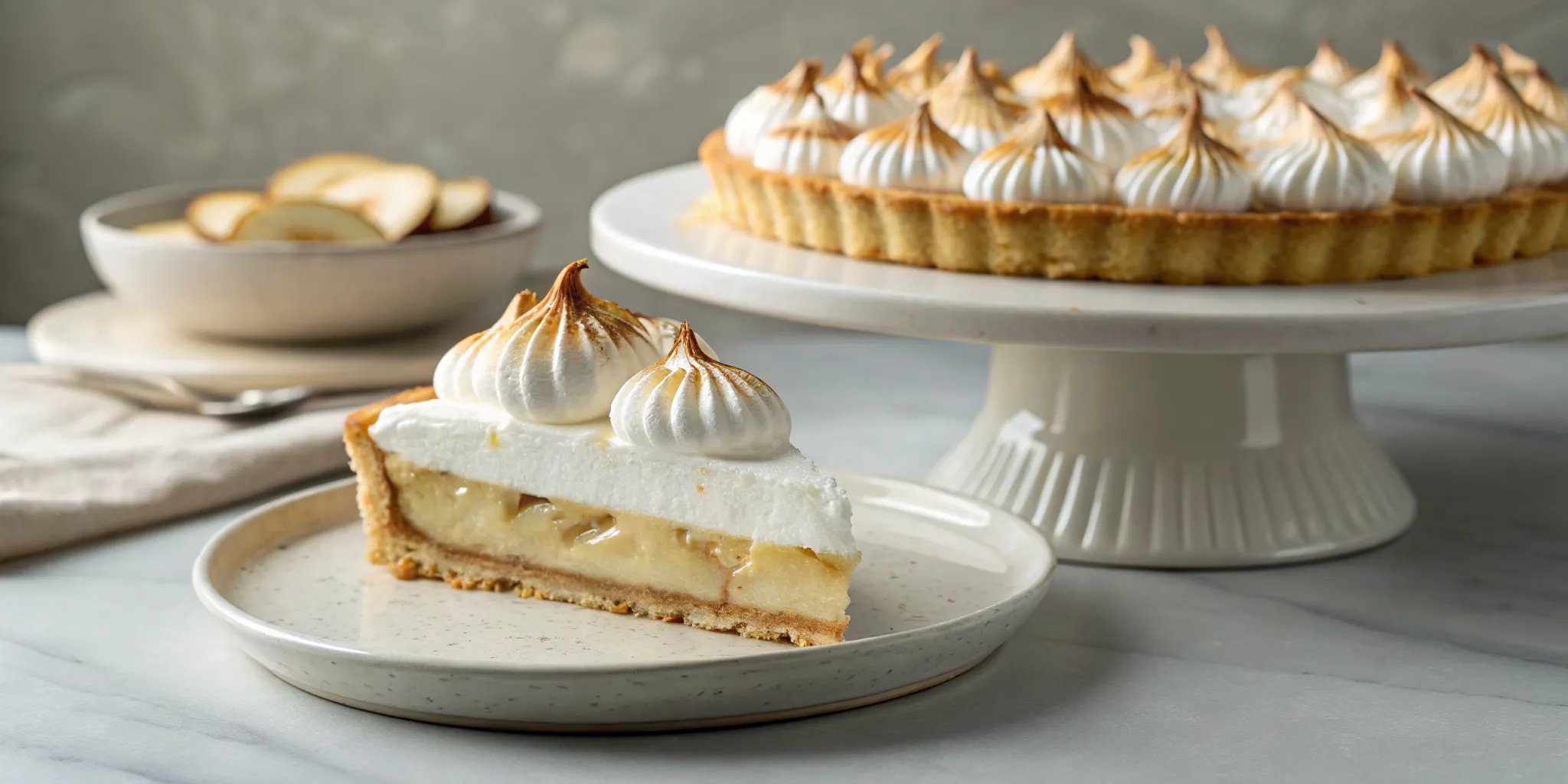
Let’s be honest: making a meringue pie can feel a little intimidating. We’ve all heard the horror stories of weeping meringue, shrinking toppings, and the dreaded soggy bottom crust. It’s enough to make you reach for a store-bought dessert. But what if I told you that a perfect, show-stopping banana meringue pie is completely within your reach? The secret isn’t about being a professional pastry chef; it’s about understanding a few key techniques. This guide is designed to walk you through the process, step-by-step, and help you avoid those common pitfalls. We’ll cover everything you need to know to create a flawless pie with a stable, sky-high meringue every single time.
Key Takeaways
- Technique is everything for a flawless finish: A crispy pie starts with a pre-baked crust, and a tall meringue requires perfectly clean tools. Spreading your meringue over a hot filling is the best way to prevent it from weeping later.
- The right ingredients make all the difference: Use overripe bananas with plenty of brown spots for the most intense, sweet flavor. A little lemon juice tossed with your banana slices will keep them from browning inside the pie.
- Proper assembly and cooling guarantee perfect slices: Always seal the meringue completely to the crust to stop it from shrinking as it cools. For a firm filling that holds its shape, be sure to chill the pie for at least four hours before serving.
What Makes Banana Meringue Pie So Special?
If you’ve ever had a slice of true Southern banana meringue pie, you know it’s something special. It’s more than just a dessert; it’s a comforting classic that feels like a warm hug on a plate. While it shares a lot of DNA with its famous cousin, the banana cream pie, the meringue topping is what truly sets it apart. This pie is a beautiful study in contrasts, with layers of flavor and texture that come together perfectly. It’s the kind of dessert that graces family dinner tables and church potlucks, a sweet tradition passed down through generations. Let's look at what makes this pie a standout favorite.
Banana Meringue vs. Banana Cream Pie
You might be more familiar with the classic banana cream pie, which is typically topped with a generous dollop of whipped cream. Banana meringue pie takes a different, slightly more elegant approach. It swaps the whipped cream for a light, airy crown of toasted meringue. This isn't just a cosmetic change. The meringue adds a delicate, marshmallow-like sweetness that complements the rich banana custard without overpowering it. When baked, the meringue gets beautifully golden on top while staying soft and fluffy underneath, creating a wonderful texture that you just don't get from whipped cream. It’s a simple switch that makes a world of difference.
A Perfect Balance of Flavor and Texture
The magic of this pie is all in the balance. Imagine sinking your fork through that cloud of toasted meringue, then into a silky, rich vanilla custard studded with slices of sweet, ripe banana. It all sits on a crisp, buttery crust, which provides the perfect foundation for the softer layers. Each bite gives you a little bit of everything: the light sweetness of the meringue, the creamy comfort of the custard, the fresh fruitiness of the banana, and the satisfying crunch of the crust. This incredible combination of textures is what makes the pie so satisfying and keeps you coming back for just one more bite.
Gather Your Ingredients
Before you roll up your sleeves, the first step to a perfect pie is getting all your ingredients ready. This practice, known as mise en place, makes the whole baking process smoother and more enjoyable. A great pie is all about balance, from the flaky crust to the sweet, airy meringue. Having everything measured and within reach means you can focus on the techniques that bring it all together. Let’s walk through what you’ll need for each delicious layer.
For the Crust
The crust is the foundation of your pie, so you want it to be just right. You can go with a traditional buttery pastry crust for a classic, flaky bite that holds up well against the creamy filling. If you want a true Southern-style pie, a vanilla wafer crust is a fantastic choice that adds a sweet, nostalgic flavor. Whichever you choose, make sure you have your flour, butter (or wafers), sugar, and a pinch of salt ready to go. A good crust provides the perfect contrast in texture to the soft filling and meringue.
For the Custard Filling
This is where the magic happens. The custard is the rich, creamy heart of the pie. For a silky smooth filling, you’ll need granulated sugar, all-purpose flour or cornstarch to act as a thickener, salt, whole milk, and egg yolks. The yolks are what give the custard its rich flavor and color. And, of course, you can’t forget the star of the show: ripe bananas. Look for bananas that are yellow with a few brown spots. They’ll be sweet and flavorful but still firm enough to hold their shape when sliced into the pie.
For the Meringue Topping
The fluffy, toasted meringue is the crowning glory of your pie. It looks impressive, but it only requires a few simple ingredients. You’ll need egg whites (make sure they’re at room temperature), granulated sugar, and a little cream of tartar or a splash of vanilla extract. The cream of tartar helps stabilize the egg whites, making it easier to achieve those beautiful stiff peaks that won’t weep or shrink in the oven. The key is to add the sugar slowly to create a glossy, stable meringue that toasts to a perfect golden brown.
Make the Perfect Pie Crust from Scratch
A truly great pie starts with a solid foundation, and I’m talking about the crust. It’s the first thing you taste and the last crunch you remember. While a store-bought crust can work in a pinch, taking a few extra minutes to make your own is a hallmark of true Southern comfort food. It’s that little bit of extra love that turns a good dessert into an unforgettable one. Think of it as the stage for your star performer, the banana custard and meringue. A weak stage will just fall apart, leaving you with a soggy mess. But a strong, flavorful crust holds everything together and adds its own delicious character to the pie.
The best part is, you have options, and neither one is wrong. You can go for a sweet and crunchy vanilla wafer crust that tastes just like banana pudding, or you can stick with a classic, flaky pastry crust for a more traditional feel. Whichever path you choose, the technique is what matters most. Getting the crust right ensures it perfectly complements the silky banana custard without getting lost or becoming soggy. It’s a simple step that makes a world of difference. Let’s walk through how to create the perfect base for your masterpiece, so every slice is as good as the first.
Choose Your Crust: Vanilla Wafer or Pastry?
Deciding on your crust really comes down to personal preference. For a fun twist that leans into the pie’s banana pudding roots, a vanilla wafer crust is a fantastic choice. It creates a sweet, sandy, and crunchy base that adds a wonderful texture to contrast the creamy filling. On the other hand, a traditional pastry crust offers a more classic, savory balance. Its flaky, buttery layers are sturdy enough to hold the rich custard while providing that quintessential pie experience. Think about the final flavor you’re aiming for. Do you want extra sweetness and crunch, or do you prefer a timeless, buttery foundation?
Pre-Bake for a Crispy Finish
The single most important step for a perfect crust is pre-baking it. This simple technique, sometimes called blind baking, is your best defense against a soggy bottom. For a vanilla wafer crust, the process is easy. Just crush about 60 vanilla wafers, mix them with melted butter, and press the mixture firmly into your pie plate. Bake it at 350°F for 10 to 12 minutes until it’s lightly golden. This simple method ensures your crust stays crisp even after you add the filling. Just be sure to let it cool completely before you move on to the next step. Patience here is key.
Create a Silky Banana Custard Filling
The heart of any great banana meringue pie is the custard. Forget the boxed stuff. A rich, homemade custard is what separates a good pie from an unforgettable one. It’s where the deep banana flavor and creamy texture truly come to life, creating the perfect foundation for that fluffy meringue topping. Let’s walk through how to get it just right.
Master Your Homemade Custard
Making custard from scratch might sound intimidating, but it’s completely manageable and makes all the difference in your final pie. The secret to that classic Southern taste is a homemade vanilla custard made with real egg yolks. This step creates a velvety, rich base that instant pudding just can't replicate. It’s the difference between a pie that’s just sweet and one that’s complex and deeply satisfying. Taking a few extra minutes to cook your own custard is the single best thing you can do to improve your pie.
Get the Perfect Texture and Consistency
Want to know the secret to a custard that screams "banana"? The key to a truly intense flavor is using overripe bananas, the kind with lots of black spots on the peel. Those bananas are sweeter and have a much more concentrated taste. As one baker discovered, a custard made with yellow bananas just wasn't "banana-y enough." Freezing your overripe bananas is a great way to have them on hand whenever a pie craving strikes. Just thaw them before you start, and you'll get a custard with incredible depth of flavor.
Keep Your Bananas from Browning
Nothing ruins the look of a beautiful banana pie faster than brown, mushy banana slices. Luckily, there’s an easy fix. To keep your bananas looking fresh and bright, just toss the slices in a small amount of lemon juice before adding them to the pie. The acid prevents the fruit from oxidizing and turning that unappetizing color. You only need a tiny bit, so it won't affect the overall taste of your custard. This simple step ensures every slice of your pie looks as delicious as it tastes, from the first to the last.
Whip Up a Perfect Meringue Every Time
That beautiful, cloud-like meringue is the crown jewel of a classic Southern banana pie, just like the kind we dream about here in the Carolinas. It might seem a little intimidating if you've had one fall flat before, but I promise you can create a perfect, fluffy topping with just a few simple tricks. The secret isn't about fancy equipment; it's all about technique. Getting that glossy, stable meringue that stands tall comes down to three key steps we're about to cover. First, we'll talk about why your mixing bowl needs to be cleaner than clean. Any trace of fat is the enemy of a good meringue, and we'll explore how to banish it for good. Next, we'll go over the right way to add sugar for a smooth, strong structure. Patience is your best friend here, and the slow, steady process makes all the difference. Finally, we'll pinpoint that sweet spot of 'stiff peaks' and how to avoid the dreaded over-whipped texture. Once you master these fundamentals, you'll be able to whip up a gorgeous meringue that holds its shape and toasts to a perfect golden brown every single time. It's the finishing touch that takes a good banana pie and makes it unforgettable, a true taste of Southern comfort. Let's get whipping.
Start with Squeaky-Clean Tools
This might be the most important rule of meringue making: make sure your mixing bowl and tools are perfectly clean and dry. Any little trace of fat or grease, even a speck of egg yolk, will stop your egg whites from whipping up properly. Fat breaks down the delicate protein structure you're trying to build, leaving you with a soupy mess instead of a fluffy cloud. For best results, use a glass or metal bowl, as plastic can hold onto greasy residue. As an extra precaution, you can wipe down your bowl and beaters with a little white vinegar or lemon juice on a paper towel to cut through any remaining film. It’s a small step that makes a huge difference.
Add Sugar Gradually
Once your egg whites start to get foamy, it’s time to add the sugar. The key here is to go slow. Don't just dump it all in at once! Adding sugar too quickly can weigh down the egg whites and deflate all the air you just worked so hard to incorporate. Instead, slowly add the sugar, about one teaspoon at a time, while the mixer is running. This gives the sugar crystals a chance to fully dissolve into the egg whites. The result is a much more stable and glossy meringue with a smooth, fine texture, not a gritty one. It takes a little patience, but this gradual addition is what builds a strong foundation for your meringue.
Achieve Stiff Peaks Without Overbeating
The goal is to achieve 'stiff peaks'. This means that when you lift the beaters out of the bowl, the meringue will hold its shape and the peak will stand straight up, maybe with a slight curl at the very tip. To check, you can turn the beater upside down; the peak shouldn't move. But be careful not to over-whip the egg whites. If you go too far, the meringue can become dry, grainy, and start to look curdled. Over-whipped meringue is also much harder to spread on your pie without it deflating. As soon as you see those strong, glossy peaks form, it's time to stop the mixer. It’s better to stop a second early than a second too late.
Avoid These Common Pie-Making Mistakes
Even the most seasoned bakers have faced a pie that didn't quite turn out right. The good news is that most pie problems are preventable once you know what to look for. A few simple adjustments can make all the difference between a decent dessert and a showstopper. If you’ve ever struggled with a runny filling or a weeping meringue, you’re not alone. Let’s walk through some of the most frequent missteps in making banana meringue pie and how you can sidestep them for a perfect result every time. Think of these as your secret weapons for a flawless pie.
Overcooked Custard
One of the trickiest parts of this pie is getting the custard just right. If you cook it too long or at too high a temperature, the eggs can scramble, resulting in a grainy texture and a less vibrant banana flavor. As the food blog The Family Meal notes, when this happens, "the base custard just wasn't banana-y enough." To avoid this, cook your custard over medium-low heat and stir it constantly. Don't walk away from the stove! You'll know it's ready when it's thick enough to coat the back of a spoon. Remove it from the heat immediately to stop the cooking process and ensure a silky, flavorful filling.
Flat Meringue
A beautiful, sky-high meringue is the crowning glory of this pie, but a flat, lifeless meringue can be a real letdown. The number one culprit? Fat. Even a tiny trace of oil or egg yolk in your mixing bowl or on your beaters can prevent your egg whites from whipping up into stiff, glossy peaks. A fantastic tip from the Appalachian Foods Group is to wipe your bowl down with vinegar before you start. This simple step ensures there’s no greasy residue left behind, giving your egg whites the clean environment they need to reach their full potential.
The Wrong Banana Ripeness
The bananas you choose have a huge impact on your pie’s final taste and texture. It might seem like a small detail, but it’s a crucial one. Green bananas are starchy and lack sweetness, while overripe, mushy bananas can make your filling watery. For the best results, you want to find that perfect middle ground. According to the experts at The Salted Pepper, you should "use ripe, bright yellow bananas." These bananas have the ideal sugar content and a firm texture that holds up well in the custard, giving you that classic, sweet banana flavor without turning your pie into a soggy mess.
Stop Meringue from Weeping and Shrinking
There’s nothing more disappointing than pulling a beautiful pie from the oven only to see it "weep" little sugary tears or shrink away from the crust as it cools. It’s a common problem that can make even the most confident baker feel defeated, but I promise, it’s one you can solve. These issues almost always come down to moisture and temperature. When the meringue isn’t cooked properly or sealed correctly, moisture from the filling can escape, or the meringue structure itself can collapse under pressure. This is especially true in the humid Southern air we know so well here in Florence.
Think of it this way: your meringue is a delicate foam of air bubbles trapped in cooked egg whites. Your job is to protect that delicate structure. When weeping occurs, it's usually because the sugar in the meringue wasn't fully dissolved, and it attracts moisture from the filling, creating those sugary beads. Shrinking happens when the meringue isn't properly anchored and cools too quickly, causing it to pull away from the crust. With a few simple tricks, you can keep your meringue high, dry, and perfectly golden. It’s all about working smart and paying attention to the details right when it counts. Let’s walk through the three most important steps to get a stable, picture-perfect meringue topping every single time.
Get Your Temperature and Timing Right
The secret to a stable meringue starts with a hot filling. This might sound counterintuitive, but you should always pour your custard into the pie shell while it’s still piping hot and immediately top it with your meringue. Spreading meringue over a hot filling does something magical: it starts cooking the bottom layer of the meringue instantly. This creates a steamy barrier that prevents the moisture from the custard from seeping up into your meringue, which is the primary cause of weeping. If you let the filling cool, you’re just inviting that moisture to ruin your hard work.
Seal the Edges
One of the best ways to prevent your meringue from shrinking is to anchor it to the crust. When you’re spreading the meringue over the hot filling, don’t just plop it in the middle. Use a spatula to carefully spread it all the way to the edges of the pie crust. You want the meringue to touch and slightly overlap the crust all the way around. This creates a complete seal, locking in the heat from the filling and preventing the meringue from pulling away from the sides as it bakes and cools. Think of it as tucking your meringue in for a cozy bake.
Assemble and Bake Immediately
Timing is everything. As soon as your meringue reaches glossy, stiff peaks, it’s go-time. Don’t let it sit on the counter while you tidy up or get distracted. Egg white foam is at its strongest right after you whip it, and it will start to lose volume and stability the longer it sits. For the best results, have your hot filling ready in its crust, whip your meringue, and get it spread and sealed right away. Then, move the pie directly into your preheated oven. This swift assembly-to-oven pipeline ensures the meringue sets properly before it has a chance to break down.
Assemble and Bake Your Pie
You’ve made the crust, cooked the custard, and whipped the meringue. Now it’s time to bring it all together. This is the final stretch, and how you assemble and bake your pie will make all the difference. Paying attention to these last few details ensures every bit of your effort pays off in a truly spectacular dessert. Let’s get this beautiful pie ready for the oven and, eventually, your plate.
Layer and Spread with Care
The secret to a perfect slice of banana meringue pie is in the layers. Start with your pre-baked, cooled crust. Arrange a single layer of sliced bananas across the bottom. Next, pour and spread about half of your hot vanilla custard evenly over the bananas. This helps the flavors start to meld together right away. Now, add a layer of vanilla wafers for that classic banana pudding texture and taste. Finally, pour the remaining hot custard over the wafers, spreading it smoothly to the edges. If you’re skipping the meringue, you can top it with whipped cream instead, but be sure to cover the entire surface to keep the bananas from browning.
Find the Best Baking Conditions
A perfect meringue topping is light, airy, and beautifully golden. Before you start, double-check that your mixing bowl and beaters are completely clean and dry. Any hint of grease can prevent your egg whites from whipping up properly. Once you have stiff peaks, spoon the meringue over the hot filling. This is important: the hot filling helps cook the meringue from the bottom up. Spread it evenly, making sure the meringue touches the crust all the way around. This creates a seal that helps prevent it from shrinking. Bake your pie at 350°F for 10 to 15 minutes, or until the peaks are a lovely golden brown. If you ever run into issues, these meringue troubleshooting tips can be a lifesaver.
Cool Your Pie for the Best Results
I know it’s tempting to dig in right away, but patience is key to a perfect slice. Once your pie is out of the oven, you need to let it cool properly so the filling can set. Let it sit at room temperature for about an hour first. After that, move it to the refrigerator to chill for at least four hours. This step is non-negotiable if you want clean, neat slices. For the absolute best flavor, let it chill overnight. This gives the banana flavor time to fully infuse the custard, creating a richer taste. When you’re ready to serve, you’ll be rewarded with a firm, flavorful pie that holds its shape beautifully. And if you just can’t wait, you can always visit us for a slice of Southern comfort without the cooling time.
Get Creative with Serving and Variations
Once you’ve mastered the classic banana meringue pie, the fun really begins. This dessert is a fantastic canvas for your creativity. While we love the traditional recipe, there are so many ways to put your own spin on it, whether you’re serving it at a family dinner or a special get-together. A few simple tweaks can transform the presentation and flavor, making this beloved pie uniquely yours. It’s all about taking a classic Southern comfort food and making it fit the occasion perfectly.
Think of this as your chance to play with textures and tastes. You can stick to simple, elegant additions or go all out with bold new combinations. The best part is that there are no wrong answers. Whether you’re adding a new topping or changing how you serve it, these variations will impress your guests and have them asking for your secret. Ready to get inspired? Here are a few of my favorite ways to serve and customize banana meringue pie.
Try Individual Servings
Instead of a full-sized pie, why not create individual portions? This is perfect for parties, making serving a breeze with no slicing required. You can bake mini pies in ramekins or assemble deconstructed versions in small glass jars or trifle bowls. Layer the vanilla wafer crust, banana custard, and fresh banana slices just as you would in a pie dish. For the final touch, you can top each one with a dramatic swirl of meringue for a stunning presentation or keep it simple with a sweet dollop. This approach makes each serving feel personal and special.
Add New Flavors and Toppings
Don’t be afraid to experiment with new flavors to complement the banana and vanilla. A drizzle of salted caramel or melted chocolate over the top before serving adds a decadent touch. You can also sprinkle toasted coconut flakes or crushed pecans on the meringue for a bit of crunch. For a warmer spice profile, try adding a pinch of cinnamon or nutmeg to the custard. This is your chance to take a classic and give it a modern twist, creating a dream pie that’s totally your own.
Find the Perfect Pairings
A slice of banana meringue pie is wonderful on its own, but the right accompaniments can make it even better. The most classic pairing is a generous dollop of fresh whipped cream, which balances the sweetness of the meringue. You can also serve it with extra vanilla wafers on the side for dipping or some fresh banana slices to enhance the fruit flavor. For a true Southern experience, enjoy your pie with a glass of sweet iced tea or a hot cup of coffee. It’s the kind of comforting combination we love to feature on our menu.
Store Your Pie for the Best Taste
You’ve baked a beautiful banana meringue pie, and now it’s time for the final, crucial step: storing and serving it correctly. How you handle your pie after it comes out of the oven makes all the difference between a slice of heaven and a soggy disappointment. Proper storage protects the crispy crust, the silky custard, and the airy meringue you worked so hard to perfect.
Think of it as the grand finale. You want every bite to be as delicious as possible. While nothing beats a slice of homemade pie, sometimes you just want to enjoy the flavor without the work. If you're craving a sweet treat, you can always check out our desserts for a taste of Southern comfort.
Why You Should Serve It the Same Day
Banana meringue pie is at its absolute best on the day it’s made. While it needs a few hours in the refrigerator to chill and set completely, its peak flavor and texture are fleeting. On day one, the meringue is light and fluffy, the custard is perfectly creamy, and the crust has a satisfying crispness.
The next day, you might notice some changes. The meringue can start to "weep," creating little beads of moisture, and the crust will begin to soften as it absorbs moisture from the filling. It’s still a tasty pie, but it won’t have that fresh-from-the-kitchen magic. Plan to bake and serve it on the same day for the best experience.
Prevent a Soggy Crust
A soggy crust is the arch-nemesis of any pie maker. To keep your crust crisp, the key is to create a barrier between it and the wet custard filling. Pre-baking your crust until it’s golden brown is the most important step, as this dries it out and makes it less absorbent.
Another great tip is to let your custard cool slightly before pouring it into the crust. If the filling is piping hot, it will steam the crust from the inside out. When you add your meringue, make sure to spread it all the way to the edges of the crust. This creates a seal that helps protect the filling and keeps the crust from getting soggy too quickly.
Serve at the Right Temperature
You have a few options when it comes to serving temperature, and it really comes down to personal preference. The most classic way to serve banana meringue pie is chilled. After a few hours in the fridge, the custard will be firm, the flavors will have melded beautifully, and each slice will come out clean.
You can also serve it at room temperature, which allows the banana flavor to shine a bit more. Some people even enjoy it slightly warm, though the filling will be much softer. For the best texture and easiest slicing, we recommend chilling the pie for at least three hours. If you’d rather have someone else handle the baking, feel free to visit us for a perfectly prepared slice.
Related Articles
- Old-Fashioned Banana Pudding Recipe | Notch 8 Blog
- Easy Homemade Banana Pudding with Condensed Milk — Notch8 Carolina Kitchen
- The Best Southern Banana Pudding Recipe (Easy & Classic) — Notch8 Carolina Kitchen
Frequently Asked Questions
Can I make this pie a day ahead of my event? This pie is truly at its best the day it's made. The meringue is fluffiest and the crust is crispiest within the first several hours after it has chilled. If you make it a day in advance, you might notice the meringue becoming a bit watery and the crust softening. For the best results, I recommend baking and serving it on the same day.
My pie crusts always get soggy. What's the most important thing I can do to prevent that? The single most effective step to prevent a soggy bottom is to pre-bake your crust, which is also called blind baking. This process crisps up the crust and creates a protective layer that resists moisture from the custard. Be sure to let the pre-baked crust cool completely before you add the filling. This simple step is your best defense for a perfectly crisp foundation.
Why does my meringue get watery or "weep," and how can I stop it? Weeping meringue is usually caused by two things: undissolved sugar or moisture from the filling. To prevent it, add your sugar to the egg whites very slowly, giving it time to dissolve completely. Most importantly, always spread your meringue over the custard while the custard is still hot. This cooks the bottom of the meringue instantly, creating a seal that stops moisture from seeping through.
Does it really matter how ripe my bananas are? Yes, it makes a huge difference in the final flavor. For the most intense, sweet banana taste, you should use very ripe bananas, the ones with plenty of brown spots. Bananas that are still a bit green will lack sweetness and can give the custard a starchy taste. Overripe bananas provide the deep, classic flavor that makes this pie so comforting.
What's the best way to store leftover banana meringue pie? If you have leftovers, you should store the pie in the refrigerator. You can cover it loosely with plastic wrap, but try not to let the wrap touch the meringue directly. A pie keeper or a tall container works best. Keep in mind that the pie will change texture after the first day; the crust will soften and the meringue may weep a little, but it will still be delicious for a day or two.