
How to Make Perfect Homemade Banana Pudding with Meringue
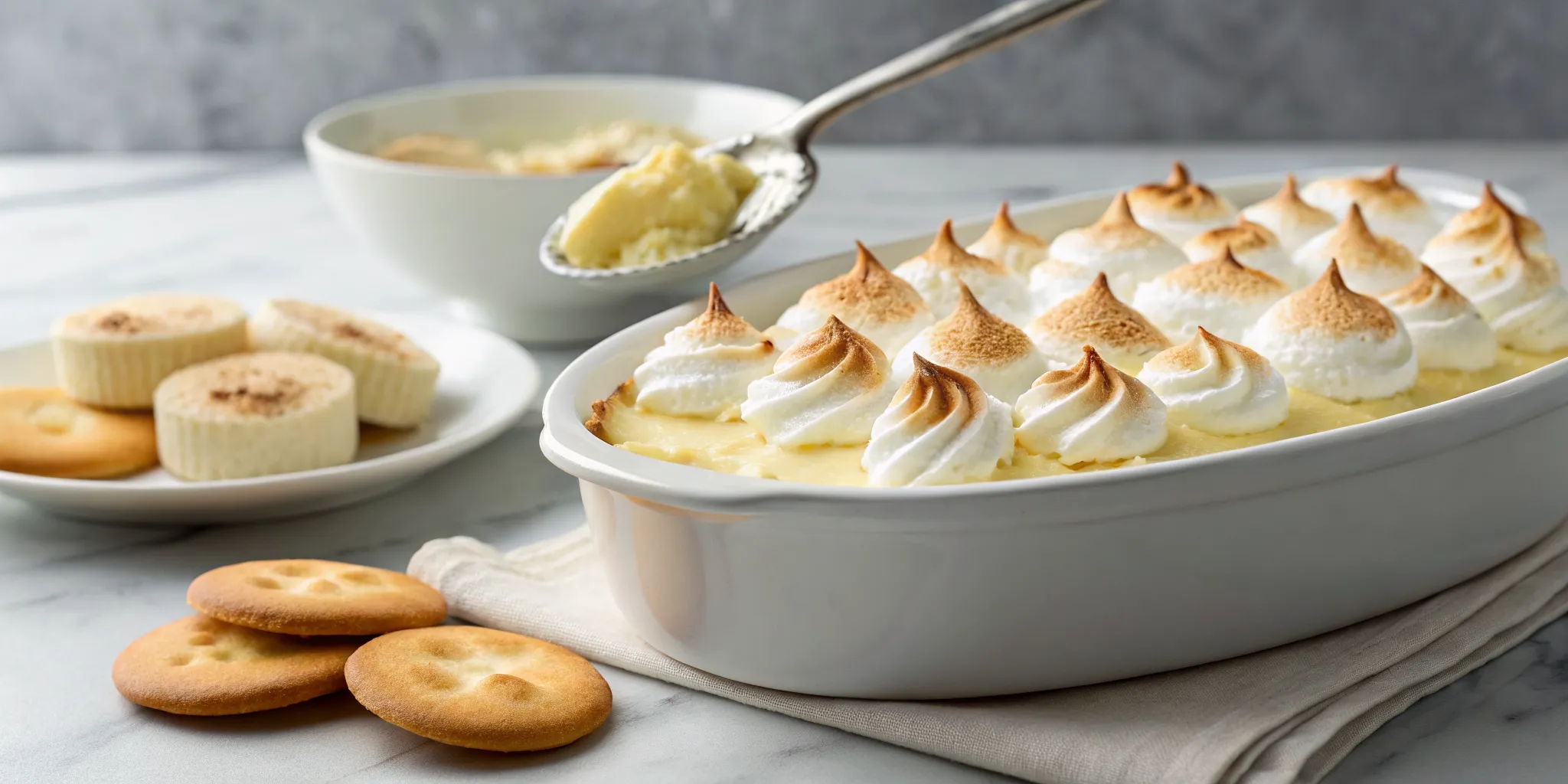
We’ve all been there. You spend an afternoon crafting what you hope will be the perfect dessert, only to end up with a runny custard or a meringue that’s weeping sugary tears. Banana pudding can be a bit tricky, but it doesn’t have to be. The secrets to success are all in the technique, from how you cook the pudding to when you add the sugar to your egg whites. This post is here to solve those common frustrations for good. We’re breaking down the entire process to help you create a flawless homemade banana pudding with meringue that stands tall, looks beautiful, and tastes absolutely incredible every single time.
Key Takeaways
- Master the key techniques for perfect texture: Cook your custard until it's thick on the stove, as it won't thicken much while cooling, and whip egg whites to stiff peaks before slowly adding sugar to create a stable, weep-free meringue.
- Plan your timing for the best results: Assemble the pudding with the custard, bananas, and wafers a day in advance to let the flavors meld and the cookies soften. Always wait to make and add the meringue until just before you plan to bake and serve it.
- Don't be afraid to make simple swaps: The classic recipe is a great guide, but you can easily adapt it. Use a boxed pudding mix if you're short on time, try different cookies for a new flavor, or top it with whipped cream if meringue isn't your thing.
Your Shopping List for the Perfect Banana Pudding
Before you start mixing and layering, let's make sure your kitchen is stocked with the right ingredients. A truly great banana pudding is all about the quality of its parts. The perfect creamy custard, the fluffiest meringue, and the best bananas and wafers all come together to create that dessert we all know and love. Getting your shopping list right is the first step to success, so let’s walk through exactly what you’ll need to bring this Southern classic to life.
For the Creamy Custard
The heart of any banana pudding is a rich, velvety custard. To get that signature homemade taste, you’ll need a few key items. The most important one is evaporated milk; its concentrated nature creates a depth of flavor that regular milk just can't match. You’ll also need sugar for sweetness, a little all-purpose flour to help it thicken up nicely, and egg yolks to give it that beautiful color and richness. A splash of good vanilla extract at the end ties all the flavors together. Don't be tempted by shortcuts here, a from-scratch custard is what makes this dessert so special.
For the Fluffy Meringue
The meringue topping is the crowning glory of a classic banana pudding. To make one that’s light, airy, and perfectly golden, you’ll need fresh egg whites. The trick is to whip them until they form stiff peaks, which means they’ll hold their shape when you lift the beaters. Granulated sugar is also essential, as it not only sweetens the meringue but also helps stabilize the egg whites, preventing it from becoming watery. A tiny pinch of salt and a little cream of tartar can also help your meringue stay tall and proud. This fluffy topping provides the perfect contrast to the creamy pudding beneath it.
Pick the Best Bananas and Wafers
Choosing the right bananas and wafers is crucial for both flavor and texture. For the bananas, look for ones that are perfectly ripe and bright yellow, maybe with a few brown speckles. You want to avoid green bananas because they aren't sweet enough, and you should also steer clear of ones that are overly brown and mushy, as they can make your pudding watery. When it comes to the cookies, stick with the classics. A box of vanilla wafers is your best bet. They have a simple, buttery flavor that complements the banana and custard, and they soften just enough to become cake-like without turning to mush.
How to Make Classic Banana Pudding From Scratch
Making banana pudding from scratch is a Southern tradition, and it’s the best way to get that authentic, comforting flavor we all love. While it might seem like a lot of steps, the process is straightforward and totally worth the effort. It’s all about building layers of flavor, from the creamy custard to the sweet bananas and crisp wafers. Think of it as assembling a little bit of happiness in a dish. If you’re ready to create a dessert that tastes like home, let’s walk through the steps together. And if you'd rather have us do the cooking, you can always order a taste of the South straight from our kitchen.
Make the Custard Base
The heart of any great banana pudding is a rich, homemade custard. This is what separates a good pudding from a truly unforgettable one. To start, you’ll create a cooked pudding base using simple ingredients like sugar, flour, milk, and egg yolks. Making your own vanilla custard from scratch makes a huge difference in the final flavor, giving it a depth that you just can’t get from a box. It’s a simple step that pays off big time. Gently cook the mixture on the stove until it’s thick and creamy, stirring constantly to keep it smooth. Once it’s done, you’ll have a luscious base ready for layering.
Prep Your Baking Dish
Before you can start building your masterpiece, you need to get your baking dish ready. The right dish not only holds your pudding but can also make for a beautiful presentation. A classic 2-quart glass baking dish works perfectly, as it allows you to see all the lovely layers you’re about to create. If you want to get a little fancier, a trifle bowl is also a fantastic option. Make sure your dish is clean and dry, giving you a perfect canvas to work with. Having your dish selected and ready to go makes the assembly process smooth and easy, so you can focus on layering everything just right.
Assemble the Layers
Now for the fun part: putting it all together. Begin by arranging a single layer of vanilla wafers across the bottom of your dish. Next, add a layer of sliced bananas on top of the wafers. Then, pour a generous amount of your warm, cooked pudding over the bananas, spreading it evenly to cover everything. Repeat these layers, wafers, bananas, and pudding, until you’ve filled your dish, usually ending with a final layer of pudding on top. This layering technique ensures that every single spoonful has the perfect mix of cookie, fruit, and cream. It’s this combination that makes banana pudding a true Southern classic.
How to Make a Meringue That Won't Weep
There’s nothing more disappointing than pulling a beautiful banana pudding from the oven, only to see little beads of moisture form on your meringue later. This is called “weeping,” and it’s a common frustration for even seasoned bakers. The good news is that it’s completely preventable. A perfect, stable meringue comes down to three key things: how you whip your egg whites, when you add the sugar, and how you assemble it on your pudding. With a few simple techniques, you can say goodbye to soggy meringue for good and achieve that fluffy, toasted topping every single time.
Whip Egg Whites to Stiff Peaks
The foundation of a great meringue is properly whipped egg whites. You’re looking for what bakers call “stiff peaks.” This means that when you lift the beaters out of the bowl, the meringue will stand up straight in a sharp peak without curling over. To get there, start with room-temperature egg whites in a completely clean, grease-free bowl. Any trace of fat or yolk can prevent the whites from reaching their full volume. Beat them on medium-high speed until they are foamy, then continue whipping until those sturdy peaks form. This strong structure is what holds the air and sugar, giving your meringue its signature light, airy texture and preventing it from collapsing.
Add Sugar at the Right Time
Patience is your best friend when it comes to adding sugar. If you add it too early or all at once, the sugar won’t dissolve properly. Those undissolved sugar crystals are the main culprit behind weeping, as they attract moisture and create those sugary tears on your meringue’s surface. The best time to start adding sugar is after your egg whites have reached the soft peak stage, where the peaks are just starting to hold their shape but still curl over at the top. Add your sugar very slowly, just a tablespoon at a time, while the mixer is still running. This gives each addition a chance to dissolve completely, resulting in a smooth, stable, and glossy meringue.
Seal and Bake Your Meringue
Once your meringue is whipped to perfection, the final step before baking is assembly. You need to create a seal between the meringue and the edge of your baking dish. When you spread the meringue over your warm pudding, make sure it touches the dish on all sides. This simple step creates a barrier that prevents moisture from the pudding from seeping into the meringue and making it soggy from the bottom up. After you’ve sealed the edges, you can create pretty swirls on top with the back of a spoon. Bake it right away in a preheated oven until it’s golden brown. This classic banana pudding recipe shows exactly how to spread it for a perfect seal.
Tips for Perfect Texture and Flavor
Getting that classic banana pudding just right is all about the details. The difference between a good pudding and a great one often comes down to small adjustments in technique that impact the final texture and flavor. It’s like the difference between a regular Tuesday night dinner and a true Southern comfort meal from our menu at Notch8. You want every spoonful to be a perfect blend of creamy custard, soft bananas, and tender cookies. These simple tips will help you nail that homemade taste and texture every single time, ensuring your pudding is the star of the show. From achieving a silky-smooth custard to keeping your bananas perfectly fresh, a little extra care goes a long way. Let’s walk through the key steps to make your banana pudding unforgettable.
Get the Pudding Consistency Just Right
The secret to a rich, velvety pudding is getting the consistency right while it’s still on the stove. It’s tempting to pull it off the heat early, but you have to trust the process. Keep cooking and stirring the mixture until it’s as thick as you want the final product to be. Why? Because unlike some sauces, this pudding won’t thicken up much as it cools. What you see in the pot is what you’ll get. Taking the time to achieve that ideal thickness on the stovetop is the most important step for a creamy texture that holds up beautifully when layered with wafers and bananas. Rushing this part can leave you with a runny pudding that makes the cookies soggy too fast.
How to Avoid Lumpy Custard
Nobody wants a lumpy custard. For a perfectly smooth base, your equipment needs to be spotless. Before you start, make sure your mixing bowl, whisk, and any other tools are completely clean and dry. Even a tiny bit of leftover oil or fat can ruin your efforts, especially when it comes to the meringue. Any grease will prevent the egg whites from whipping up into those beautiful, stiff peaks, which can affect the texture of the entire dish. This simple prep step is your best defense against lumps and ensures you get that silky, luxurious custard that makes a banana pudding with meringue so special. It’s a small detail that makes a huge difference.
Keep Your Bananas from Browning
We’ve all seen it: those sad, brown banana slices that can make a beautiful pudding look less than appetizing. While browned bananas are perfectly safe to eat, we want our dessert to look as good as it tastes. The easiest way to keep your bananas fresh and yellow is to manage your timing. Try not to slice them and leave them sitting out at room temperature for more than two hours before you assemble the pudding. This simple trick helps maintain their color and firm texture. Properly storing your bananas and assembling your pudding shortly after slicing them will keep every layer looking bright, fresh, and inviting when you’re ready to serve.
What Common Mistakes Should You Avoid?
Even the most experienced Southern cooks can run into a little trouble with banana pudding. It’s a dessert with a few moving parts, and small slip-ups can lead to a soupy custard or a weeping meringue. The good news is that these common issues are easy to sidestep once you know what to look for. Let’s walk through a few frequent mistakes and how you can make sure your pudding turns out perfectly every single time. Think of these as the secrets to getting that classic, comforting dessert you remember from family dinners.
Common Prep and Equipment Mistakes
One of the biggest culprits behind a sad, watery meringue is an improper seal. When you top your pudding, you must ensure the meringue touches the edge of the dish all the way around. A great piece of advice is to "add the meringue topping to the banana pudding and spread it to the edges to seal it well." This simple step creates a barrier that prevents moisture from escaping and stops the meringue from shrinking as it bakes. Also, always start with a completely clean, dry bowl for whipping your egg whites. Any trace of grease will stop them from reaching their full, fluffy potential.
Meringue Timing and Temperature Goofs
A weeping meringue can ruin an otherwise perfect banana pudding. This often happens when the sugar isn't fully dissolved into the egg whites. To prevent this, add your sugar slowly, one spoonful at a time, while the mixer is running. You’ll want to "continue whipping until firm but soft peaks form," which shows the sugar has been properly incorporated. If you’ve struggled with this, you might consider a cooked meringue recipe, which is more stable and less likely to weep. Temperature matters, too; placing a hot meringue on a cold pudding can cause issues.
Layering and Assembly Pitfalls
A common pitfall is thinking there’s only one right way to assemble your pudding. While the classic layers are wonderful, don't be afraid to make it your own. If some of your family members aren't fans of meringue, remember "that’s okay too!" You can serve their portions without it, topped with whipped cream instead. Another mistake is letting the wafers get too soggy. Layer them in just before you’re ready to chill the pudding so they soften to a perfect cake-like texture without turning to mush. The goal is a dessert everyone at your table will love.
Fun Variations and Simple Swaps
While we love a classic banana pudding, one of the best things about Southern cooking is how recipes get passed down and adapted. Think of this recipe as a starting point. You can easily tweak it to fit your taste or what you have on hand. Whether you're short on time or just feeling creative, these simple swaps can help you make a banana pudding that’s uniquely yours. After all, the goal is to create a dessert that brings a smile to everyone’s face, just like the comforting dishes on our menu.
In a Hurry? Use a Boxed Mix
Let’s be real, sometimes life gets in the way of making custard from scratch. If you’re pressed for time, there’s absolutely no shame in using a boxed vanilla pudding mix. It’s a fantastic shortcut that will save you a good 20 minutes of prep and cooking. Just prepare the instant pudding according to the package directions and let it set before you start layering. You’ll still get a creamy, delicious dessert that tastes nearly identical to the original, especially once it’s layered with fresh bananas and vanilla wafers.
Try Different Cookies or Fruits
The classic recipe calls for vanilla wafers, but don’t let that stop you from experimenting. This recipe is incredibly flexible. You could swap the wafers for shortbread cookies, butter cookies, or even slices of sponge cake for a different texture. Some people even love using chessmen cookies for a buttery crunch. You can also add another layer of flavor by including other fruits. Sliced strawberries layered with the bananas can create a wonderful banana-strawberry pudding that’s perfect for summer gatherings.
Whipped Cream vs. Meringue
The topping is where you can really make a statement. A fluffy, toasted meringue is traditional, but a simple stabilized whipped cream is a lighter, quicker alternative that many people prefer. If you stick with meringue, remember the golden rule: make sure your mixing bowl and beaters are completely clean and dry. Any trace of fat or grease will prevent the egg whites from whipping up into beautiful, stiff peaks. If neither topping sounds right, you could also finish your pudding with a sprinkle of cookie crumbles for a simple, crunchy finish.
Can You Make Banana Pudding Ahead of Time?
Planning a get-together or just want to have dessert ready for the week? You’re in luck. Banana pudding is one of those wonderful dishes that actually gets better with a little time. Making it ahead isn't just possible; it's often preferred. Giving the pudding time to chill allows the vanilla wafers to soften perfectly and the flavors to blend together into that classic, comforting taste we all love. This is especially helpful when you're managing multiple dishes for a family dinner or a potluck. You can assemble the main part of the pudding a full day in advance, which frees up your time and oven space right before your event. So, go ahead and check this off your to-do list early. It’s one less thing to worry about, and your pudding will be even more delicious for it.
How to Prep in Advance
You can absolutely make your banana pudding the day before you plan to serve it. In fact, many Southern cooks swear by this method. Letting the pudding sit overnight in the refrigerator gives the Nilla wafers time to absorb the creamy custard, transforming them into a soft, cake-like layer. This resting period is the secret to a truly melded flavor profile, where the banana, custard, and cookie notes come together beautifully. Just assemble the pudding and custard layers, cover it tightly with plastic wrap, and let it chill.
When to Add the Meringue
While you can prep the pudding base ahead of time, you should always wait to add the meringue until just before you’re ready to bake and serve. This is the key to avoiding a weepy, sad topping. When you’re ready, whip up your meringue and spread it over the chilled pudding. A great tip is to make sure the meringue topping touches the edges of your dish all the way around. This creates a seal that helps prevent the meringue from shrinking and weeping after it’s baked.
Keep it Fresh
Once assembled and baked, your banana pudding will last for about three days in the refrigerator. Be sure to store it in a well-sealed container to keep it fresh. It’s good to know that the bananas will likely start to brown a bit after the first day, but don’t worry, this is just oxidation and doesn’t affect the taste. The pudding is still perfectly safe and delicious to eat. While it’s at its absolute best on day one, you can still enjoy a tasty dessert for a few days after.
How to Store and Serve Your Banana Pudding
You’ve created a masterpiece, and now it’s time to enjoy it. Whether you’re saving some for later or getting ready to serve a crowd, a few simple steps can make all the difference. Proper storage keeps your pudding creamy and delicious, while a little extra care in presentation makes it look as good as it tastes. After all that work, you want every spoonful to be perfect, from the first bite to the last.
Storing Your Pudding Correctly
To keep your banana pudding fresh, the refrigerator is your best friend. Once it has cooled, cover your baking dish tightly with plastic wrap or transfer the pudding to an airtight container. This is the key to preventing it from absorbing any other flavors from your fridge (nobody wants their dessert tasting like last night’s onions). Storing it properly helps maintain that wonderful creamy texture and ensures it’s just as good on day two. While it’s always best fresh, this simple step lets you savor your creation for a little longer.
Tips for Serving and Presentation
When you’re ready to serve, a few small touches can make your banana pudding feel extra special. For a fantastic textural contrast, try crumbling some extra vanilla wafers on top right before you bring it to the table. This adds a delightful crunch against the smooth, creamy custard. If you’re not a fan of meringue or just want the rich pudding to be the star, you can absolutely serve it without the topping. For parties, consider spooning the pudding into individual glass bowls or mason jars for a charming, rustic look that’s easy for guests to handle.
How Long Does It Last?
Your homemade banana pudding will stay delicious in the refrigerator for about three days. It’s important to know that the bananas will likely start to brown and soften a bit over time, which is completely normal. Don’t worry, this doesn’t affect the taste or safety. While the texture might change slightly after the first day, the pudding remains safe to eat and enjoy. For the absolute best flavor and consistency, try to finish it within that three-day window. Though, if your family is anything like mine, it probably won’t last that long anyway.
Related Articles
- Old-Fashioned Banana Pudding Recipe | Notch 8 Blog
- The Best Southern Banana Pudding Recipe (Easy & Classic) — Notch8 Carolina Kitchen
- Easy Homemade Banana Pudding with Condensed Milk — Notch8 Carolina Kitchen
Frequently Asked Questions
My meringue always gets watery or "weeps." What am I doing wrong? This is a super common issue, and it usually comes down to the sugar. To get a stable, fluffy meringue, you need to add the sugar very slowly, just a tablespoon at a time, after the egg whites have already started to get foamy. This gives the sugar crystals a chance to dissolve completely. If they don't dissolve, they attract moisture and create those little sugary tears. Also, make sure you spread the finished meringue all the way to the edges of your dish to create a seal before baking.
Can I prepare banana pudding before a party, or does it have to be made right before serving? You can absolutely make it ahead of time. In fact, the pudding part is often better when it has a day to chill in the fridge. This gives the wafers time to soften and all the flavors a chance to blend together perfectly. The one thing you should wait on is the meringue. Prepare the pudding and custard layers, cover, and chill it. Then, just before you plan to bake and serve, whip up the meringue and add it to the top.
What's the most important thing to remember to get a thick, creamy custard instead of a runny one? The key is to be patient while you're cooking the custard on the stovetop. You need to keep stirring and cooking it until it has reached the exact thickness you want the final pudding to be. Unlike some sauces or puddings that thicken significantly as they cool, this custard's consistency in the pot is very close to what you'll get in the finished dessert. Pulling it off the heat too early is the most common reason for a runny result.
I'm not a fan of meringue. What are some other topping options? That's completely fine; a classic meringue topping isn't for everyone. The easiest and most popular alternative is a simple, lightly sweetened whipped cream. You can spread a thick layer over the top of the chilled pudding right before you serve it. If you want something even simpler, you can just crumble some extra vanilla wafers over the top for a bit of texture. The pudding itself is the star, so feel free to finish it however you like best.
Do I have to use classic vanilla wafers, or can I try other cookies? While vanilla wafers are the traditional choice, you can definitely experiment with other cookies. The recipe is very forgiving. Shortbread cookies work wonderfully, adding a rich, buttery flavor. You could also try butter cookies or even thin slices of pound cake for a softer, more cake-like texture. Using a different cookie is a simple way to put your own personal spin on the dessert.