
Grandma's Old Fashioned Banana Pudding From Scratch
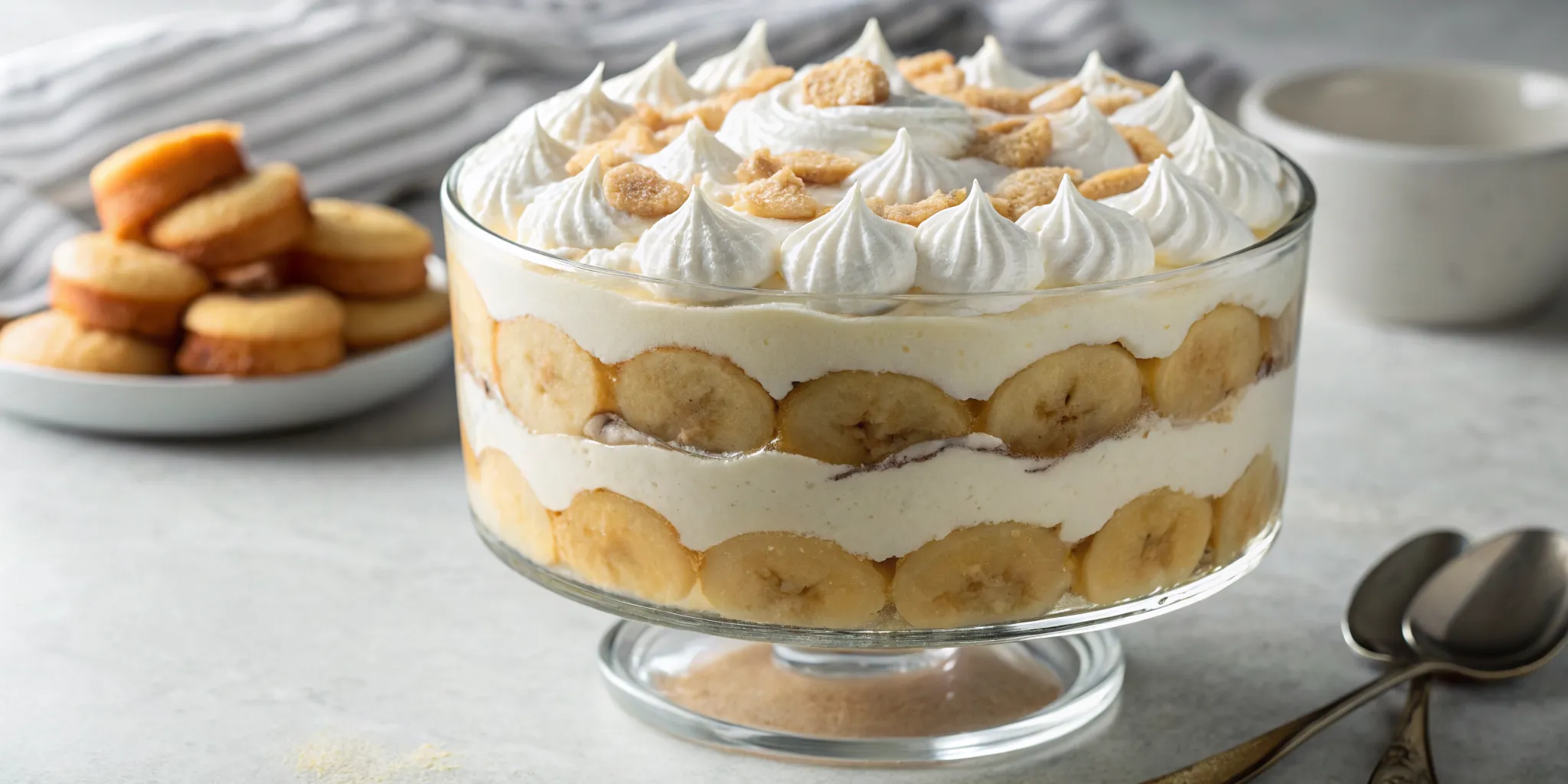
Some desserts are just food, but others are a feeling. Banana pudding is pure comfort, a staple at every Southern potluck and family gathering for a reason. It’s the dish that disappears first, the one that tastes like childhood afternoons and grandma’s kitchen. While a box mix can get you close, it never quite captures the magic. The real deal, a true grandma old fashioned banana pudding from scratch, is built on a rich, homemade vanilla custard that store-bought versions just can’t replicate. It’s that from-scratch love that makes it special. In this guide, we’ll walk through every step, from cooking the perfect pudding to whipping up a flawless meringue.
Key Takeaways
- A homemade pudding is the secret ingredient: Making your custard from scratch with simple ingredients like eggs and milk is the most important step for achieving that authentic, creamy flavor you can't get from a box.
- Technique is key for perfect texture: To get a perfectly smooth pudding, whisk your dry ingredients together before adding milk. For a glossy meringue that holds its shape, add sugar slowly after your egg whites form soft peaks.
- Layer with purpose to protect your ingredients: Use bananas that are yellow and firm, not mushy. When assembling, make sure every banana slice is completely covered with pudding to prevent browning and ensure the wafers soften perfectly.
What Makes Old-Fashioned Banana Pudding So Special?
Some desserts are just a sweet treat, but others feel like a warm hug in a bowl. Old-fashioned banana pudding is definitely the latter. It’s a staple at family gatherings and church potlucks for a reason. The layers of soft vanilla wafers, sweet bananas, and creamy pudding create a comforting flavor that takes you right back to grandma’s kitchen.
But what truly sets a memorable banana pudding apart from an average one? It all comes down to the heart of the dish: the pudding itself. While a box mix can get the job done in a pinch, nothing compares to the rich, authentic taste of a pudding made from scratch.
Homemade vs. Store-Bought: What's the Difference?
Let's be honest, we've all reached for the instant pudding box when we're short on time. It’s quick and easy, but it misses the soul of a true Southern banana pudding. The biggest difference is the base. A homemade vanilla pudding is a cooked custard made with simple ingredients like eggs, milk, sugar, and vanilla. This process creates a deep, rich flavor and a velvety texture that you just can’t replicate with a powder mix. Store-bought pudding often has a thinner consistency and a less complex flavor, which can leave your dessert tasting a little flat.
Why a Scratch-Made Pudding Is Worth It
Making pudding from scratch is about more than just taste; it’s about tradition. For many Southern families, this dessert is a recipe passed down through generations. The extra effort is what makes it so special. A cooked pudding has a thicker, creamier composition that holds up beautifully between the layers of wafers and bananas. It’s a classic comfort food with a fabulous, creamy flavor that feels truly homemade because it is. It’s the kind of authentic Southern cooking we love to share at Notch8. If you’re craving that from-scratch goodness, take a look at our full menu for more comfort on a plate.
Your Ingredient Checklist for Authentic Banana Pudding
Before you start layering wafers and slicing bananas, let's talk about what you'll need. The secret to a truly memorable banana pudding isn't just in the method; it's in the ingredients. Using the right components is what separates a good pudding from a great one. This isn't the time for shortcuts. We're aiming for that authentic, made-from-scratch flavor that tastes like a hug from grandma. Here’s a simple breakdown of what to grab at the store.
How to Pick the Perfect Ripe Bananas
The star of the show deserves careful selection. When you're picking out bananas, look for ones that are bright yellow with maybe a few tiny brown specks. You want them ripe enough to be sweet, but still firm. Avoid any with green on the peels, as they won't have enough flavor. On the other hand, skip the ones that are covered in brown spots and feel mushy. Overly ripe bananas will turn soggy in the pudding, and nobody wants that. Getting this balance right ensures your pudding has the perfect texture and flavor.
Choosing the Best Vanilla Wafers
This is one of those moments where tradition really matters. For the most authentic taste, stick with the classic vanilla wafers that have been a pantry staple for generations. These wafers are designed to soften beautifully in the creamy pudding without completely dissolving into mush. They provide just the right amount of structure and that signature vanilla flavor that complements the bananas and custard. While there are other cookies out there, the classic choice is what gives old-fashioned banana pudding its iconic texture. It’s a small detail that makes a huge difference in the final result.
The Core Ingredients for the Pudding Base
The heart of this recipe is the homemade vanilla pudding. Making it from scratch is so much better than using a box mix, and it’s surprisingly simple. Just like the classic Southern dishes on our menu, this pudding relies on basic, quality ingredients to create incredible flavor. You’ll need sugar, all-purpose flour, salt, whole milk, egg yolks, and a good quality vanilla extract. This combination creates a rich and creamy base that store-bought versions just can't replicate. It’s this luscious, homemade custard that truly makes the dish special.
How to Make Vanilla Pudding From Scratch
The soul of a truly memorable banana pudding is the rich, creamy vanilla pudding that brings it all together. If you've only ever used a box mix, you're in for a treat. Making pudding from scratch is a simple process that pays off big time in flavor and texture. It’s the difference between a good dessert and one people ask for again and again. With just a few key ingredients and a little patience at the stove, you can create a silky-smooth base for your dessert.
Making the Pudding, Step-by-Step
Let's get this pudding started. The secret is patience and constant motion. Cook it slowly over medium-low heat to gently coax it to the right consistency. Grab a whisk and stir continuously; this prevents lumps and keeps the eggs from scrambling. It should take about 15 minutes to thicken. If it’s not getting thick, you can turn the heat up just a tiny bit, but watch it closely. This careful, step-by-step method ensures a perfectly creamy result every single time.
How to Get a Smooth, Lump-Free Texture
Nobody wants lumpy pudding. The best way to guarantee a silky texture starts before you turn on the heat. In your saucepan, combine the sugar, cornstarch, and salt first. Whisk them together while they're dry to distribute the cornstarch evenly. This simple step is a game-changer for preventing clumps. Once mixed, slowly pour in the milk while whisking vigorously. This technique ensures everything dissolves properly, giving you a flawlessly creamy and smooth pudding that will be the star of your dessert.
Common Pudding Mistakes to Avoid
While we're on the pudding, let's talk about its partner: the bananas. Choosing the right ones is key. Avoid bananas that are overly ripe and mushy; you want them yellow and firm, with maybe a few brown spots. This ensures they hold their shape and don't make the pudding watery. Another common issue is bananas turning brown after assembly. To prevent this, make sure every banana slice is completely covered by a layer of pudding. This creates a seal that protects them from the air, keeping your homemade banana pudding looking as good as it tastes.
How to Whip Up the Perfect Meringue Topping
Let’s talk about that glorious, cloud-like meringue that sits on top of a classic banana pudding. It’s light, sweet, and perfectly toasted. Making a beautiful meringue might seem intimidating, but it’s really all about technique. With a few simple tricks, you can whip up a topping that’s stable, glossy, and absolutely delicious. The key is to pay close attention to your egg whites and how you incorporate the sugar. Get this part right, and you’ll have a dessert that looks as amazing as it tastes. Ready to create that perfect crown for your pudding? Let’s get to it.
Prepping and Beating Your Egg Whites
First things first: your equipment needs to be spotless. Any trace of grease or fat in your mixing bowl or on your beaters will stop your egg whites from whipping up properly. So, give them a good wash and dry them completely before you start. Once you’re prepped, add your egg whites to the bowl and begin beating them on high speed. You’re looking for soft peaks to form, which means when you lift the beaters, a peak will form but then gently flop over. This is the initial stage you need to reach before adding any sugar.
How to Get Stiff Peaks Without Overbeating
Once you have soft peaks, it’s time to aim for stiff peaks. This is the stage where the meringue holds its shape firmly. When you lift the beaters, the peaks should stand straight up without collapsing. It’s important to stop as soon as you reach this point. If you keep going, you risk overbeating the egg whites, which makes the meringue look dry, grainy, or even watery. A perfectly whipped meringue will be thick and easy to spread with an offset spatula. Keep a close eye on the texture, and you’ll nail it every time.
Adding Sugar for a Silky Meringue
For a meringue that’s smooth and glossy instead of gritty, the secret is to add the sugar gradually. After your egg whites have reached the soft peak stage, start adding the sugar one tablespoon at a time while the mixer is still running. This slow addition gives the sugar crystals time to dissolve completely into the egg whites. You’ll know it’s ready when the meringue is shiny and stiff. A good way to check is to rub a little bit between your fingers. If it feels smooth, you’re good to go. If it’s grainy, keep mixing for another minute or two.
The Secret to Perfect Banana Pudding Layers
Creating a truly memorable banana pudding is all about the assembly. It’s more than just tossing ingredients into a dish; it’s an art form that ensures every spoonful is a perfect blend of creamy pudding, sweet bananas, and soft-yet-sturdy vanilla wafers. Getting the layers right is what separates a good banana pudding from a great one. The good news is that it’s not complicated at all. With a little bit of intention, you can build a dessert that holds its structure and delivers incredible flavor in every single bite. It’s these little details that transform simple ingredients into the kind of comfort food we all crave, much like the dishes we proudly serve on our menu. Let’s walk through how to stack your way to banana pudding perfection.
How to Layer for the Best Flavor
The key to the best flavor is making sure the pudding and bananas are true partners. As you build your layers, coat each banana slice with at least a thin layer of pudding. This simple step does two important things. First, it infuses the banana flavor throughout the entire dish, so you don’t get pockets of plain pudding. Second, it protects the bananas from the air, which is what causes them to turn an unappealing brown. This ensures your pudding looks as good as it tastes, even if you make it a little ahead of time.
Arranging the Wafers and Bananas
There’s a classic order to layering that creates the ideal texture. Start by spreading a thin layer of vanilla pudding across the bottom of your dish. This creates a soft base and prevents the first layer of wafers from sticking. Next, arrange a single layer of vanilla wafers over the pudding, followed by a layer of sliced bananas. Then, you’ll repeat the process: more pudding, more wafers, more bananas. Continue until you run out of ingredients or reach the top of your dish, always ending with a final, generous layer of pudding before you add the meringue.
How to Keep Your Bananas From Browning
No one wants to see brown bananas in their beautiful pudding. Luckily, there are a couple of easy tricks to keep them looking fresh and bright. First, as you slice your bananas, you can toss them with a tiny bit of lemon juice. A little goes a long way, and it won’t affect the final taste. The acid helps slow down the oxidation process that causes browning. The second, and most important, trick is to make sure your bananas are completely covered. Each layer of bananas should be sealed in by a layer of pudding, and the entire dessert should be topped with meringue that reaches the edges of the dish. This creates a barrier against the air, keeping your bananas perfectly pale and delicious.
Assembling and Baking Your Pudding
You’re on the home stretch! Now it’s time to bring all those delicious components together into one beautiful, comforting dessert. Assembling and baking your banana pudding is where the magic really happens. This final step is all about creating those perfect layers and achieving a beautifully toasted meringue topping, the kind of finishing touch we love on our own Southern desserts. It doesn't take long, but a little attention to detail here makes all the difference. Let's get this pudding in the oven so you can enjoy the sweet reward of your hard work.
Applying the Final Layers and Meringue
Once your pudding, wafers, and bananas are layered, it’s time for the grand finale: the meringue. Gently spoon the meringue over the top of your pudding. Use a spatula to spread it evenly, making sure it touches the edges of your baking dish all the way around. This little trick creates a seal that helps keep the meringue from shrinking away from the sides as it bakes. You can get creative here by making little peaks and swirls with the back of your spoon for a classic, homemade look that will get everyone excited to dig in.
Getting the Oven Temperature and Time Just Right
Your oven should be preheated and ready to go. A temperature of around 350°F is perfect for this final step. Since the pudding is already cooked, you aren't really baking the dessert so much as you are toasting the meringue topping. This process is quick, so you’ll want to stay close by and keep an eye on it. Place the pudding on the middle rack and bake for about 10 to 15 minutes. The goal is to get a beautiful, light golden-brown color on the peaks of your meringue without overcooking it or the layers underneath.
How to Know When It's Perfectly Baked
You’ll know your banana pudding is ready when the meringue is a lovely golden brown and feels firm when you gently touch it. The peaks and swirls you made should have the most color, creating a beautiful texture on top. Keep a close eye on it, as the sugar in the meringue can go from perfectly toasted to burnt in a flash. Once it hits that perfect golden stage, pull it out of the oven. Let it cool for a bit before diving in, or if you have the patience, chill it in the fridge. It's the perfect end to a Southern meal, and if you're ever too busy to bake, you can always visit us for a taste of home.
Fun Twists on the Classic Recipe
There’s a reason Grandma’s banana pudding is a classic, and honestly, it’s perfect just the way it is. But if you’re feeling a little adventurous in the kitchen, the recipe is wonderfully adaptable. Think of the original as a perfect canvas for your creativity. A few simple additions can transform this beloved dessert into a completely new experience without losing its Southern charm. Whether you’re a fan of rich chocolate, tropical flavors, or fresh fruit, there’s a fun twist waiting for you. These ideas are simple and can make your next batch the talk of the potluck.
Try a Chocolate and Peanut Butter Version
If you believe chocolate and peanut butter make everything better, this one's for you. This combination is a guaranteed crowd-pleaser and adds a decadent layer to the classic dessert. You can swap out half of the vanilla pudding for a chocolate layer, or for an even richer taste, whip creamy peanut butter into the warm custard. The result is a dessert that hits all the right notes: sweet, salty, and creamy. This variation adds a rich, nutty flavor to the classic dessert and will have everyone asking for seconds.
Add a Little Coconut or Caramel
Want to give your banana pudding a tropical feel? A little coconut or caramel will do the trick. Sprinkling a layer of sweetened, shredded coconut between the wafers and bananas adds a lovely texture. For something more indulgent, a drizzle of caramel sauce over the pudding layers before you top it with meringue is pure magic. As it bakes, the caramel gets warm and gooey, perfectly complementing the sweet bananas and creamy custard. It’s a simple way to add a tropical twist to a Southern staple.
Mix in Your Favorite Berries
For a fresh and vibrant take on banana pudding, try adding your favorite berries. Sliced strawberries or fresh blueberries layered between the pudding and wafers add a beautiful pop of color and a bright, tangy flavor. The tartness of the berries cuts through the richness of the custard, creating a wonderfully balanced dessert that’s perfect for a summer gathering. This fruity variation is a fantastic way to use seasonal fruit and introduce a refreshing element to the classic recipe. It’s a simple change that makes a big impact.
Common Banana Pudding Mistakes to Avoid
Even the most seasoned Southern cooks can hit a snag when making banana pudding from scratch. It’s a dessert with a lot of heart, but a few simple missteps can lead to a less-than-perfect result. Don’t worry, though. Most issues are easy to fix and even easier to avoid once you know what to look for. From lumpy pudding to weeping meringue, let’s walk through some of the most common challenges so you can serve up a flawless dessert that would make any grandma proud. Think of these as your secret weapons for pudding perfection.
How to Prevent Lumpy Pudding and Soggy Wafers
The two biggest texture culprits in banana pudding are lumps and sogginess. To get that signature creamy pudding, consistent stirring over low heat is your best friend. But what about the wafers? The key is to protect them. As you build your layers, make sure to coat each banana slice with at least a thin layer of pudding. This simple step creates a barrier that helps keep the wafers from getting too soft too quickly. It also ensures every single bite is packed with that perfect blend of banana and vanilla flavor.
Choosing and Prepping Your Bananas
The bananas you choose can make or break your pudding. You’re looking for that sweet spot: ripe for flavor, but still firm. Avoid bananas with too many brown spots, as they’ll turn mushy once baked. Save those for banana bread! The ideal banana is yellow with maybe a few tiny brown specks, but definitely not soft. This ensures your banana slices hold their shape and provide a pleasant texture that complements the creamy pudding and crisp wafers. Getting the bananas right is a crucial step for an authentic banana pudding.
Fixing Common Meringue Issues
A beautiful, glossy meringue is the crowning glory of any old-fashioned banana pudding. If your meringue turns out watery or flat, don’t get discouraged. First, make sure your mixing bowl is completely clean and free of any grease. When you’re ready to top your pudding, spread the meringue so it touches the edges of the dish; this helps prevent it from shrinking. For those classic, beautiful peaks, you can use an offset spatula or even your fingers to gently pinch and pull the meringue upwards. These simple meringue techniques will give your dessert that signature homemade look.
How to Store and Serve Your Pudding
You’ve baked your beautiful banana pudding, and the meringue is toasted to golden perfection. Now what? How you store and serve it makes all the difference in keeping it delicious. A little care after it comes out of the oven ensures every spoonful is as good as the first. Here’s how to handle your pudding so it stays fresh and tasty, from the moment it cools until the last bite is gone.
The Right Way to Refrigerate It
Once your pudding has cooled a bit, it’s time to get it in the fridge. Chilling it is essential for letting all those wonderful flavors of vanilla, banana, and wafers meld together. Cover the dish tightly with plastic wrap and refrigerate it for at least a few hours. As the experts at The Pioneer Woman suggest, you can even let it chill for up to 12 hours before serving. This time is a secret weapon; it allows the wafers to soften to that perfect cake-like consistency and deepens the flavor. It’s the key to turning a good banana pudding into a great one.
The Best Way to Serve Banana Pudding
When you’re ready to serve, you can scoop generous portions into individual bowls or present it family-style right from the baking dish. I love using a clear dish so everyone can see the pretty layers you worked so hard on. One of the most important tips for a picture-perfect pudding is to make sure your banana slices are completely covered with pudding and meringue. This creates a barrier that helps prevent them from browning too quickly, keeping each serving looking as fresh and appetizing as it tastes. Serve it chilled straight from the refrigerator for the most refreshing and flavorful experience.
How Long Does It Stay Fresh?
Banana pudding is definitely a dessert that’s best enjoyed fresh. While it will keep in the fridge, you’ll want to eat it within a day or two for the best quality. The bananas will inevitably start to brown after a couple of days, and the wafers will continue to soften into the pudding. Think of it as the perfect excuse to invite friends over or have a second helping! Of course, if you’re craving that fresh-made taste without the kitchen time, you can always stop by and let us serve you a bowl. You can find it on our menu anytime you need a Southern comfort food fix.
Related Articles
- Old-Fashioned Banana Pudding Recipe | Notch 8 Blog
- The Best Southern Banana Pudding Recipe (Easy & Classic) — Notch8 Carolina Kitchen
- The Best Old Fashioned Banana Pudding with Condensed Milk — Notch8 Carolina Kitchen
- Easy Homemade Banana Pudding with Condensed Milk — Notch8 Carolina Kitchen
Frequently Asked Questions
Can I prepare the banana pudding ahead of time? Yes, you absolutely can, and you probably should. Making it at least a few hours in advance gives the wafers time to soften and the flavors a chance to meld together beautifully. For the best texture and appearance, plan to serve it within 24 to 48 hours. After a couple of days, the bananas will start to brown and the wafers can become a bit too soft.
My homemade pudding didn't thicken. What did I do wrong? This is a common issue, and it usually comes down to two things: heat and time. A custard-based pudding needs to be cooked gently over medium-low heat. If the heat is too low, it won't thicken properly. It also requires patience and constant whisking, often for about 15 minutes, to allow the eggs and flour to work their magic. Don't give up too early; just keep whisking until it nicely coats the back of a spoon.
Why did my meringue get watery or shrink away from the dish? A watery layer between the meringue and pudding can happen if the pudding was too hot when you added the topping. Let the pudding cool slightly first. To prevent the meringue from shrinking, make sure you spread it all the way to the edges of your dish, creating a seal. This simple step helps it hold its shape as it bakes and cools.
Do I have to use classic vanilla wafers, or can I substitute another cookie? For that truly authentic, old-fashioned taste and texture, classic vanilla wafers are the best choice. They are designed to soften into a perfect, cake-like consistency without completely dissolving. While other cookies might taste good, they can become too mushy or not absorb the pudding in the same way, which changes the entire structure of the dessert.
I'm not a fan of meringue. Is there another topping I can use? Of course. If meringue isn't your thing, a fresh, lightly sweetened whipped cream is a fantastic alternative. It provides a different kind of creamy richness that also works wonderfully with the bananas and vanilla pudding. Just wait to add the whipped cream until right before you serve it to keep it from deflating.