
How Many Calories in Banana Pudding with Wafers?
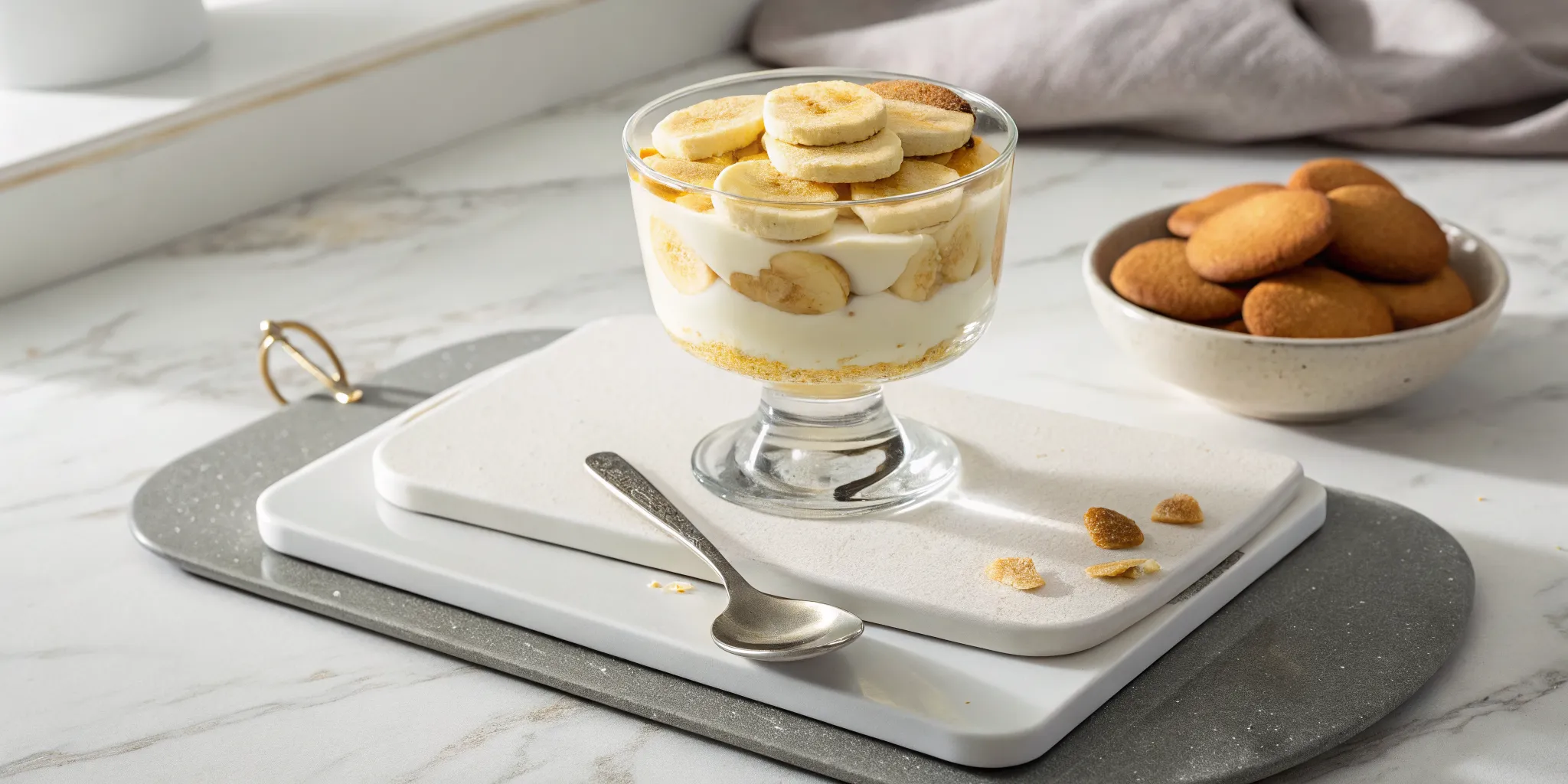
That first spoonful of banana pudding is pure bliss. The creamy custard, soft bananas, and sweet vanilla wafers come together in a way that’s both nostalgic and incredibly satisfying. But for many of us, that moment of enjoyment is quickly followed by a nagging thought about health. It’s completely normal to wonder how many calories in banana pudding with wafers you’re consuming with each bite. Instead of letting that question create guilt, let’s get some real answers. We’re going to look at the nutritional side of this beloved dessert, so you can understand what you’re eating and make choices that feel good for you.
Key Takeaways
- Ingredients Dictate the Calorie Count: The calories in banana pudding can vary widely, from around 130 to over 550 per serving. This difference comes down to the richness of the ingredients, as recipes made with heavy cream and whole milk will naturally be more decadent than those using lighter dairy options.
- Homemade Pudding Puts You in Control: When you make banana pudding at home, you can easily adjust it to your liking. Simple swaps like using low-fat milk, Greek yogurt, or a sugar-free pudding mix can significantly reduce calories without sacrificing that classic creamy texture.
- Portion Size is Your Best Tool: You can easily fit banana pudding into a balanced diet by paying attention to your serving size. Sticking to a standard half-cup portion allows you to enjoy this classic Southern dessert without feeling like you have overindulged.
How Many Calories Are in Banana Pudding?
Banana pudding is one of those classic Southern desserts that just feels like home. It’s creamy, sweet, and comforting all at once, a perfect ending to a good meal. But if you’re keeping an eye on your diet, you’ve probably wondered what you’re getting into, calorie-wise. The truth is, there’s no single answer. The number of calories in banana pudding can change quite a bit depending on who’s making it and what they’re putting in it. From the type of milk used to the richness of the custard, every ingredient plays a part. Let's break down what you can generally expect and what factors make that number go up or down.
Calorie Ranges for Common Serving Sizes
So, what’s a typical number? For a standard half-cup serving of banana pudding made with vanilla wafers, you can expect a range between 130 and 240 calories. This is a pretty wide ballpark, and it shows just how much recipes can differ. For example, some versions might clock in at around 156 calories for that same half-cup portion. It all comes down to the specific ingredients and their ratios. Knowing this range helps you make an informed choice, whether you’re making it at home or enjoying it as a treat when you’re out.
What Makes the Calorie Count Change?
The biggest reason for the calorie variation comes down to the richness of the ingredients. A traditional, homemade pudding often uses whole milk or even heavy cream, which creates that decadent texture we all love. Recipes that call for ingredients like heavy cream and sweetened condensed milk can easily push a single serving into the 350 to 550 calorie range. A famous example is the Magnolia Bakery-style pudding, which can have over 550 calories per serving due to its rich base. While that might sound like a lot, it’s what makes it such a satisfying treat. At Notch8, we believe in using quality ingredients to create those authentic Southern flavors you crave in classic desserts on our menu.
How Ingredients Impact Calories
Ever wonder why one banana pudding tastes light and airy while another feels rich and decadent? It all comes down to the ingredients. The specific components you choose and their ratios are the single biggest factor in determining the final calorie count. From the type of milk used in the custard to the number of wafers layered inside, every element plays a part. Understanding how these ingredients work together can help you know what to expect, whether you're making a batch at home or enjoying a serving at your favorite Southern kitchen. Let's break down how each key ingredient contributes to the total.
Instant Mix vs. Homemade Custard
The heart of any banana pudding is the custard, and how it’s made creates a huge difference in calories. A pudding made from an instant mix is often lighter, but a traditional, homemade custard delivers that authentic, creamy flavor we all crave. Classic Southern recipes call for ingredients like whole milk, egg yolks, and sometimes even heavy cream, which results in a richer texture and higher calorie count. A typical half-cup serving can range from 130 to 240 calories, but a truly decadent, restaurant-style version can easily have more. A detailed menu item breakdown shows some servings can even reach 350 to 550 calories.
Whole Milk vs. Low-Fat Options
The type of dairy you use is another major player. A custard made with whole milk will naturally have more fat and calories than one made with skim or 2% milk. If you're making banana pudding at home and want to lighten it up, swapping whole milk for a low-fat alternative is an easy fix. This simple change can bring the calorie count down to around 100 to 150 calories per serving without sacrificing too much of that creamy goodness. While low-fat options work for a lighter dessert, authentic Southern pudding almost always relies on the richness of full-fat dairy for its signature taste.
The Role of Vanilla Wafers
What’s banana pudding without the vanilla wafers? These crunchy cookies soften as they absorb the custard, adding texture and a sweet, vanilla flavor to every bite. Wafers are primarily made of flour, sugar, and butter, so they contribute mostly carbohydrates to the dish. For example, a one-cup serving of Nilla Banana Pudding with Nilla Wafer Pieces contains about 130 calories. The more wafers you layer in, the higher the final calorie count will be. They are essential for the classic recipe, providing structure and balancing the creaminess of the custard and the softness of the bananas.
How Bananas Affect the Total
Finally, let's talk about the star of the show: the bananas. Sliced bananas are layered throughout the pudding, adding natural sweetness, a distinct flavor, and of course, some calories. Bananas are a source of carbohydrates and natural sugars, which contribute to the overall energy content of the dessert. A complete banana pudding nutrition analysis shows that a standard serving contains a significant amount of carbohydrates, partly from the bananas themselves. While they do add calories, they also bring essential nutrients to the table, making them a wholesome part of this beloved treat.
Homemade vs. Store-Bought: Is There a Difference?
When a banana pudding craving hits, you have two main choices: make it yourself or grab a tub from the store. Both can be delicious, but they aren’t created equal, especially when it comes to what’s inside. The biggest difference comes down to control. Making it at home puts you in the driver’s seat, while store-bought options are more of a mystery until you check the label. Let’s look at what sets them apart so you can decide which is right for you.
Why Homemade Gives You More Control
When you make banana pudding in your own kitchen, you call all the shots. You get to decide exactly what goes into the bowl, from the type of milk to the amount of sugar. This flexibility is great if you want to manage the calorie count or simply prefer certain ingredients. A typical homemade banana pudding can have around 247 calories per serving, but you can easily adjust that. Want it a little lighter? Use low-fat milk. Watching your sugar? You can reduce the amount. This level of customization means you can create a dessert that perfectly fits your taste without sacrificing that classic comfort food flavor.
Hidden Calories in Store-Bought Pudding
On the flip side, store-bought banana pudding can be a bit of a wild card. While convenient, these pre-made versions often contain extra ingredients to extend shelf life and enhance flavor, like heavy cream, corn syrup, and other sweeteners. These additions can cause the calorie count to climb quickly. In fact, some store-bought servings can pack in upwards of 360 calories, which might be more than you bargained for. These "hidden" calories aren't always obvious, which is why taking a moment to understand what you're buying is so important if you're keeping an eye on your intake.
How to Read the Nutrition Label
Speaking of which, the nutrition label is your best friend when navigating the grocery store aisle. Don’t let all the numbers intimidate you; just focus on a few key things. First, check the serving size. A container might seem like a single portion, but the label could say it contains two or three servings. Next, look at the total calories per serving. Calorie counts can vary widely between brands. For instance, one popular brand's Nilla banana pudding contains 130 calories per cup, with most of it coming from carbohydrates. Understanding these details helps you make an informed choice and enjoy your treat without any surprises.
What's a Standard Serving of Banana Pudding?
Figuring out a "standard" serving of banana pudding can feel a bit like guessing. Is it a small scoop in a teacup or a generous helping in a bowl? The truth is, it varies a lot, and that difference can completely change the nutritional profile of your dessert. Understanding what a typical portion looks like, both at home and in a restaurant, is the first step to enjoying this classic Southern treat without any surprises. Let's break down what you can generally expect.
Restaurant vs. Home Portions
When you're dining out, you’ve probably noticed that dessert portions are often generous. Banana pudding is no exception. A restaurant serving can be much larger than what you might scoop for yourself at home, sometimes containing richer ingredients like heavy cream that drive the calorie count up. A typical half-cup serving of banana pudding can range from 130 to 240 calories, but restaurant versions can easily climb to 350-550 calories or more. It’s all part of the experience of treating yourself to a delicious, professionally made dessert.
Recommended Serving Size at Home
If you’re making banana pudding in your own kitchen, you have complete control over the portion size. A good rule of thumb is to stick to a half-cup serving. This amount generally keeps the calorie count in a more moderate range, often around 170 calories for a simple, classic recipe. Measuring out your portions with a standard measuring cup is a great way to stay mindful while still satisfying your craving for that creamy, sweet goodness. It’s a simple trick to help you enjoy a homemade favorite without overthinking it.
How Portion Size Changes Everything
It’s amazing how much a little extra pudding can affect the total calorie count. Doubling your serving from a half-cup to a full cup can take you from around 150 calories to 300 or more. Some estimates for large, indulgent servings even push the count toward 600 calories. This huge range shows why portion size is so important. A small scoop can be a light treat, while a large bowl becomes a much more significant indulgence. You can find a detailed nutritional breakdown for different serving sizes to see just how much it can vary.
A Quick Nutritional Breakdown
Ever wonder what's in a spoonful of creamy banana pudding? While some treats are best enjoyed without overthinking it, it’s interesting to see what makes them so satisfying. Let's look at the main components that come together to create this classic dessert: carbohydrates, fats, protein, and sugar.
Carbohydrates: Bananas and Wafers
Banana pudding is rich in carbohydrates, which are your body's main source of energy. The two star ingredients, bananas and vanilla wafers, are the primary contributors here. A typical half-cup serving packs between 27 and 34 grams of carbs, coming from the natural starches in the bananas and the flour in the wafers. This is the fuel that gives this dessert its comforting power and makes you feel satisfied after just a few delicious bites.
Fats: Where They Come From
You might assume a creamy dessert is loaded with fat, but that's not always the case with banana pudding. The fat content is quite modest, mostly coming from the dairy, like milk or cream, that gives the pudding its silky texture. A one-cup serving typically contains only around 2 grams of fat. It delivers that rich mouthfeel we all love without relying heavily on fat to do so, proving how smart ingredients can create a luxurious experience.
Protein: The Dairy Contribution
While no one eats banana pudding for its muscle-building power, it does contain a small amount of protein, thanks again to the dairy. The milk and cream in the custard base provide a modest contribution, with a half-cup serving offering around 3 to 4 grams. It’s not a significant source, but this bit of protein adds to the dessert's balance, making it feel a little more substantial than a purely sugary treat.
Sugar: Added vs. Natural
Banana pudding gets its signature sweetness from two places: natural sugars and added sugars. The bananas provide natural sweetness, while the vanilla wafers and pudding mix contribute the added sugars. A one-cup serving can have around 19 grams of sugar, which is what makes it a true dessert. Knowing where the sweetness comes from is helpful, but when you're enjoying a classic Southern treat, a little sweetness is part of the charm.
How Preparation Methods Change the Calorie Count
It’s not just what’s in your banana pudding that determines the calorie count; it’s also how you put it all together. The techniques you use in the kitchen can change the density, ingredient balance, and overall nutritional profile of your favorite Southern dessert. From the way you assemble the layers to the ingredients you choose, every step offers a chance to be mindful of the final calorie count. Let's look at a few preparation details that can make a surprising difference.
Layered vs. Mixed: Does It Matter?
How you assemble your pudding can subtly change how many calories you get in each spoonful. When you layer ingredients like vanilla wafers, pudding, and bananas, you can often pack them more tightly into a dish. This creates a denser dessert, meaning each bite contains more ingredients and, consequently, more calories. A mixed version, on the other hand, might be lighter and more airy, spreading the calories out a bit more. While the total calories in the dish remain the same, the density of a layered pudding might lead you to eat a more calorie-rich portion without realizing it.
The Impact of Ingredient Ratios
The balance of ingredients is one of the biggest factors in the final calorie count. A pudding that’s heavy on vanilla wafers and creamy custard but light on fresh bananas will naturally have more calories, fat, and sugar. Think about it: if you use an entire box of wafers but only two bananas, the dessert’s nutritional profile will lean heavily toward the cookies. By simply adjusting the ratios, you can shift the balance. Using more bananas adds natural sweetness and nutrients, allowing you to use fewer wafers and a little less pudding to achieve that classic flavor you love.
Choosing Fresh vs. Processed Ingredients
Making smart swaps between fresh and processed ingredients can significantly lower the calorie count without sacrificing taste. For example, a healthier banana pudding recipe might call for light whipped topping instead of heavy cream, or you could use a sugar-free pudding mix as your base. Making your custard from scratch with low-fat milk gives you complete control over the sugar and fat content. These simple adjustments can trim down the calories while keeping the dessert creamy and satisfying, proving you don’t have to give up your favorite treats to stick to your goals.
Craving Banana Pudding? Try These Lighter Options
Let's be honest, sometimes you just need a bowl of creamy, dreamy banana pudding. It’s the ultimate comfort food. But if you're keeping an eye on your health goals, a traditional recipe can feel like a major indulgence. The good news is you don’t have to give it up completely. With a few clever adjustments, you can create a lighter version that still delivers that classic flavor you love. These simple tweaks focus on reducing sugar and fat without sacrificing the creamy texture and sweet banana taste. Whether you're making a batch for the family or just a single serving for yourself, these ideas will help you enjoy your favorite dessert.
Simple Swaps to Reduce Calories
The easiest way to lighten up your banana pudding is by making a few simple ingredient swaps. Start with the dairy. Instead of whole milk, try using skim, 1%, or even unsweetened almond milk for the pudding base. You can also find fat-free or light versions of sweetened condensed milk and cream cheese, which cut down on fat without changing the texture too much. When it comes to sugar, you can often reduce the amount in the recipe by a quarter without noticing a huge difference. This approach lets you make a healthier banana pudding that still feels like the classic dessert you grew up with.
Using Greek Yogurt or Sugar-Free Pudding
For a creamy texture with an extra dose of protein, try swapping some of the heavy cream or cream cheese for plain Greek yogurt. It adds a subtle tang that complements the sweet bananas perfectly. Another fantastic shortcut is using a sugar-free or fat-free instant vanilla pudding mix as your base. It sets up quickly and gives you a reliable, delicious foundation to build on. Combining sugar-free pudding mix with skim milk and a scoop of Greek yogurt creates a rich, satisfying dessert that’s much lower in calories and sugar. It's a simple way to reinvent the classic recipe for a modern, healthier lifestyle.
Lighter Wafers and Toppings
The vanilla wafers and whipped topping are essential parts of the banana pudding experience, but they can also add a lot of calories. Instead of traditional wafers, look for mini vanilla wafers to help with portion control, or even try using graham crackers for a different kind of crunch. For the topping, opt for a light or fat-free whipped topping from the store. If you prefer to make your own, you can easily whip heavy cream with just a touch of sweetener. A dollop is all you need to finish it off. This is one of the simplest light dessert tips that makes a big impact on the final calorie count.
How to Fit Banana Pudding into a Balanced Diet
Let's be real: a life without banana pudding isn't a life we want to live. Southern comfort food is all about flavor and feeling good, and dessert is a big part of that experience. The great news is that you don't have to give up your favorite treats to maintain a balanced lifestyle. It’s not about restriction; it’s about being smart and intentional with your choices. You can absolutely make room for a delicious bowl of banana pudding from our menu without feeling an ounce of guilt.
The key is to approach it with a simple strategy. By focusing on a few mindful practices, you can savor every spoonful. It comes down to paying attention to how much you eat, planning for your indulgence, and balancing it with your other meals. Think of it as making a conscious decision to enjoy something you love, which is a much healthier mindset than feeling like you "cheated." Let's walk through a few easy ways to make banana pudding a regular, guilt-free part of your life.
Practice Mindful Portions
One of the easiest ways to enjoy banana pudding is to simply be mindful of your portion size. It’s easy to scoop a giant serving when you’re excited, but a smaller amount can be just as satisfying. A typical half-cup serving of banana pudding with vanilla wafers usually falls between 130 and 240 calories. By sticking to a standard portion, you can easily fit it into your daily calorie goals. So, grab a smaller bowl, serve yourself a reasonable amount, and take the time to really taste and enjoy each bite. You’ll find that a little goes a long way.
Plan Your Treat Ahead of Time
Have you ever heard the saying, "fail to plan, plan to fail?" It definitely applies here. Deciding ahead of time that you’re going to have banana pudding for dessert can make all the difference. When you know a treat is coming, you can make lighter choices for your other meals that day. Planning removes the impulsivity and guilt that can sometimes come with indulging. A simple, homemade version of banana pudding often has around 170 calories per serving, making it a manageable treat to factor into your day.
Balance Your Dessert with Lighter Meals
Think of your daily meals as a balancing act. If you know you’re going to enjoy a richer dessert like banana pudding, you can balance it out with lighter, nutrient-dense meals. Maybe you have a big salad with grilled chicken for lunch or a veggie-packed stir-fry for dinner. This way, you’re still getting the vitamins and minerals your body needs while making room for the food that brings you joy. Since a half-cup serving can be as low as 156 calories, it’s easy to accommodate. It’s all about creating a sustainable eating pattern that works for you.
Related Articles
- The Best Old Fashioned Banana Pudding with Condensed Milk — Notch8 Carolina Kitchen
- The Best Southern Banana Pudding Recipe (Easy & Classic) — Notch8 Carolina Kitchen
Frequently Asked Questions
Why do the calorie counts for banana pudding vary so much? The huge range in calories comes down to the recipe's richness. A version made with an instant pudding mix and skim milk will be on the lower end, while a classic Southern recipe using whole milk, egg yolks, and heavy cream will be much higher. Think of it like coffee: a black coffee is very different from a caramel latte. The core ingredients and how decadent they are make all the difference.
Is homemade pudding automatically a better choice than store-bought? Not always, but making it at home gives you complete control. You decide how much sugar to add, what kind of milk to use, and how many wafers to layer in. Store-bought versions can be convenient, but they sometimes include extra sweeteners or fats to make them last longer on the shelf. The best choice is simply the one you can make an informed decision about, which is easier to do when you're the one mixing the ingredients.
What's the easiest way to make a lighter banana pudding at home? The simplest swap is to change your dairy. Using skim milk or 1% milk instead of whole milk in your custard is a great start. You can also use a sugar-free instant pudding mix as a base or substitute some of the cream cheese or whipped cream with plain Greek yogurt. These small changes can reduce the calorie count significantly without you feeling like you're missing out.
How big is a "standard" serving, and does it really matter? It matters a lot. At home, a standard serving is typically about a half-cup, which can be around 150 to 250 calories. In a restaurant, however, portions are often much larger and richer, sometimes doubling that calorie count. Being mindful of how much you scoop into your bowl is probably the single most effective way to manage your treat, as a larger portion directly translates to more calories.
Can I really eat banana pudding and stick to my health goals? Absolutely. No single food can derail your health goals. It's all about balance and intention. If you know you want to enjoy a bowl of banana pudding, you can plan for it by having lighter meals earlier in the day. Sticking to a reasonable portion size also ensures you can satisfy your craving without overdoing it. Enjoying your favorite foods is part of a healthy and happy lifestyle.