
How to Cook Collard Greens with Smoked Turkey Necks
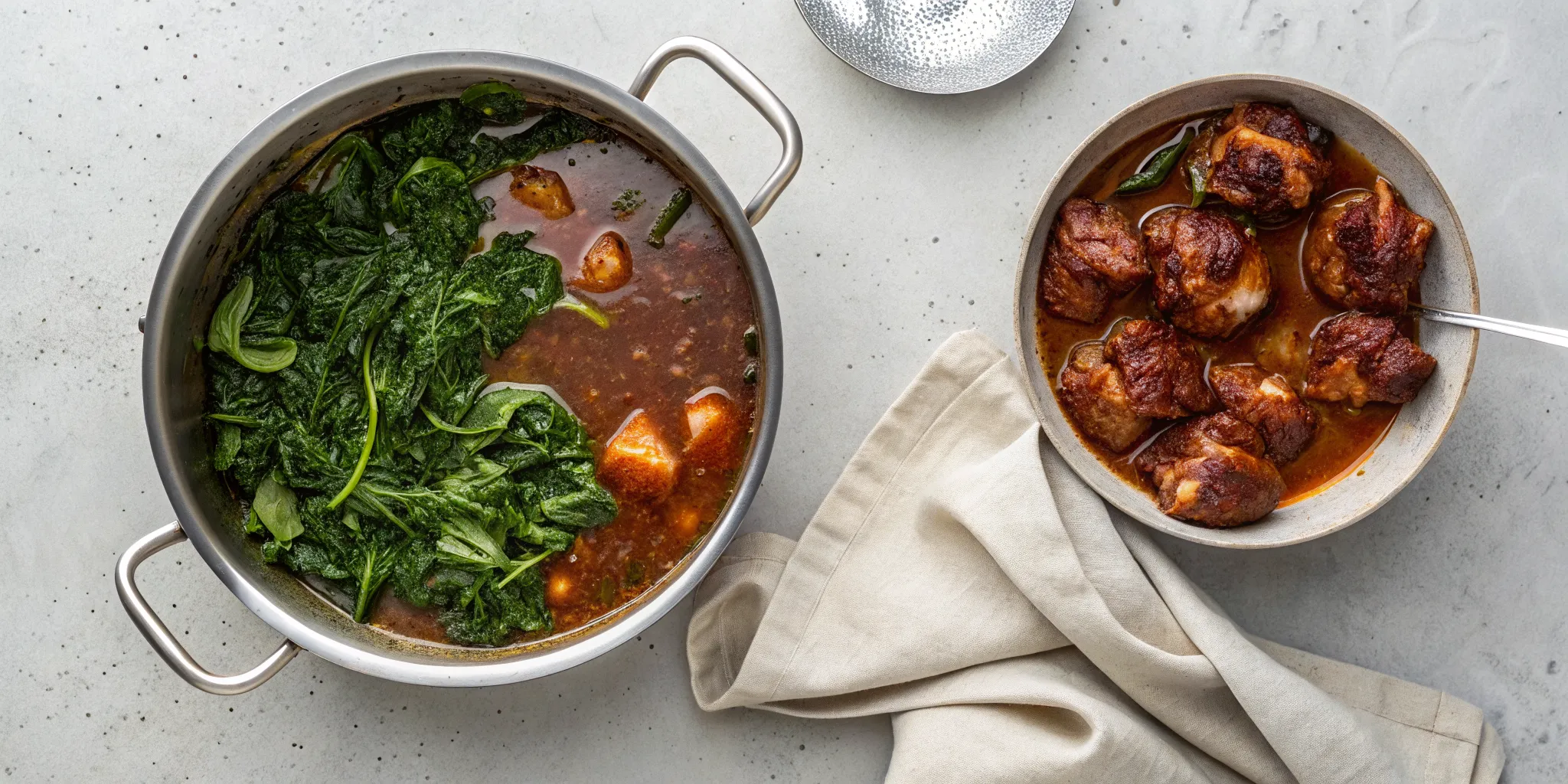
Let’s talk about what makes a perfect pot of collard greens. It’s that moment when the leaves are so tender they practically melt in your mouth, infused with a deep, smoky flavor that can only come from simmering for hours. It’s the rich, savory broth at the bottom of the pot, the "potlikker," that’s just begging to be sopped up with a piece of warm cornbread. That’s the experience we’re aiming for. This isn’t about just boiling some vegetables; it’s about creating a dish with layers of complexity and soul. This guide will show you exactly how to achieve that perfect texture and taste, using my go-to recipe for collard greens with smoked turkey necks.
Key Takeaways
- Wash thoroughly and cook slowly: The two most important steps for great collard greens are cleaning them multiple times to remove all grit and simmering them on low heat for at least an hour to make them perfectly tender.
- Build flavor from the ground up: Create a rich, savory taste by starting with a smoked turkey broth, sautéing aromatics like onion and garlic, and finishing with a splash of vinegar and a pinch of sugar to balance the flavors.
- Don't waste the potlikker: The flavorful broth left at the bottom of the pot is a delicious and nutrient-rich part of the dish, so serve your greens with a side of cornbread for sopping up every last drop.
Why Are Collard Greens a Southern Staple?
If you ask anyone from the South to name a defining dish, collard greens will almost always make the list. But what makes this leafy green so special? It’s more than just a delicious side; it’s a dish woven into the very fabric of Southern life, carrying stories of history, community, and tradition in every single bite. From holiday tables to New Year's celebrations, collard greens have earned their place as a true Southern icon.
More Than Just a Side Dish
In the South, collard greens aren't just another vegetable on the plate; they're an event. They are a beloved feature at nearly every significant gathering, especially during the holidays. A big pot of greens simmering on the stove is a familiar sign of a special occasion, whether it's a Sunday family dinner, Thanksgiving, or Christmas. This dish brings a sense of comfort and home that few others can match. It’s the kind of food that connects generations, with recipes often passed down and perfected over time, making each family's version a unique point of pride.
A Rich Cultural History
The story of collard greens is deeply connected to the history of the South and the resilience of its people. Collard greens became a cornerstone of Soul Food because enslaved African Americans cultivated and cooked them, transforming a humble vegetable into a hearty, comforting dish. Using simple ingredients and often less-desirable cuts of meat for flavor, they created a recipe that provided nourishment and a taste of home. This history is what gives collard greens such profound meaning. It’s a dish born from ingenuity and perseverance, representing a powerful culinary heritage that continues to be celebrated today.
A New Year's Tradition for Good Luck
You can't talk about collard greens without mentioning their special role on New Year's Day. Across the South, it's a time-honored tradition to eat a plate of greens to welcome the new year. Why? Because the green leaves are said to symbolize money, promising prosperity and financial luck for the year ahead. This hopeful tradition is often served alongside black-eyed peas, which represent coins, and cornbread, which stands for gold. It’s a delicious way to start the year on a positive note, surrounded by family and a meal that’s rich in both flavor and cultural significance.
Gather Your Ingredients for Collard Greens & Smoked Turkey
Before you start cooking, it’s best to get all your ingredients prepped and ready to go. A great pot of collard greens is all about building layers of flavor, and that process begins with having the right components on hand. Think of it as setting your stage for a fantastic meal. If you're not in the mood to cook, you can always order a side of our classic greens and let us handle the work for you.
The Must-Haves
First, let's cover the essentials. These are the non-negotiable ingredients that create the classic Southern flavor we all know and love. You’ll want to have these items measured and within reach before you even turn on the stove.
- Collard Greens: The star of the show. You'll need a few fresh, crisp bunches.
- Smoked Turkey: Necks, wings, or drumsticks all work beautifully to give the greens a deep, smoky flavor.
- Onion and Garlic: These aromatics are the foundation of your flavor base.
- Chicken Stock: This is the liquid your greens will simmer in, soaking up all the goodness.
- Apple Cider Vinegar: A little bit of tang is crucial for cutting through the richness and balancing the greens' slight bitterness.
- Brown Sugar: Just a touch of sweetness rounds out all the savory and tangy notes.
Optional Add-ins for Extra Flavor
Once you’ve mastered the classic recipe, you can start making it your own. These optional ingredients are perfect for adding another dimension of flavor to your dish. Feel free to experiment to find what you like best.
- Bell Peppers: Sautéing some diced bell pepper along with your onions adds a subtle sweetness and complexity.
- Different Broths: While chicken stock is standard, using a rich turkey broth or even a homemade bone broth can add more depth.
- Red Pepper Flakes: If you like a little heat, a pinch of red pepper flakes will do the trick. This is a key component in many soul food collard greens recipes.
How to Clean and Prep Your Collard Greens
Before you even think about turning on the stove, the most important step to amazing collard greens is the prep work. I know, it’s not the most exciting part, but getting your greens perfectly clean and chopped is the secret that separates good greens from truly great ones. Nobody wants a side of grit with their meal, and taking the time to do this right ensures every bite is tender, flavorful, and exactly what you’re craving. Think of it as the foundation of your dish. A little patience here goes a long way and sets the stage for that slow-simmered, soulful flavor we all love. It’s a simple act of care that pays off in a big way when you finally sit down to eat, making all the difference between a decent pot of greens and one that people talk about for weeks.
The Right Way to Wash Your Greens
First things first, let's get those greens clean. Start by filling your kitchen sink (make sure it’s spotless!) with cold water. Submerge the collard leaves and swish them around vigorously with your hands to loosen any hidden dirt or sand. Let them soak for a few minutes, which allows all the grit to sink to the bottom. Here’s the key trick: lift the greens out of the water and into a colander instead of just pulling the plug. Draining the sink can pour all that settled dirt right back over your clean leaves. You’ll want to repeat this process two or three times with fresh water, or until you see no more sediment at the bottom of the sink. A thorough wash is non-negotiable for perfect results.
How to De-stem and Chop Like a Pro
Once your greens are clean and dry, it’s time to deal with the stems. The thick center stem can be tough and fibrous, so it’s best to remove it for a more tender texture. The easiest way to do this is to fold each leaf in half lengthwise along the stem and simply slice the stem away with a sharp knife. Another quick method is to hold the base of the stem with one hand and strip the leafy part off with the other. After de-stemming, stack several leaves on top of each other, roll them up tightly like a cigar, and slice them into ribbons. This simple chopping method, often called a chiffonade, makes the process go much faster and gives you perfectly uniform pieces for even cooking.
Cooking Collard Greens with Smoked Turkey: A Step-by-Step Guide
Ready to make a pot of collard greens that tastes like it came straight from a Southern kitchen? The process is simpler than you might think. It’s all about building layers of flavor, starting with a rich, smoky broth and finishing with a long, slow simmer. Forget tough, bitter greens; this guide will walk you through creating a tender, savory side dish that might just steal the show. Follow these steps, and you’ll have a perfect pot of greens every time.
Start with the Turkey to Build Your Broth
The foundation of any great pot of collards is the "potlikker," the flavorful liquid the greens cook in. To get it right, you need to start with the meat. Place your smoked turkey necks in a large pot and cover them with chicken broth. Add some roughly chopped onion, a few cloves of garlic, and a pinch of red pepper flakes for a little warmth. Let this simmer for at least 30 minutes before you even think about adding the greens. This step is essential for drawing out that deep, smoky flavor from the turkey, creating a broth that will infuse every single leaf. Many Southern collard green recipes swear by this method for building a rich base.
Create a Flavor Base with Aromatics
While your turkey is simmering, you can build another layer of flavor. In a separate skillet, heat a little olive oil or bacon grease and sauté some diced onion and bell pepper until they soften. Add minced garlic and cook for another minute until it’s fragrant. This step creates a sweet and savory foundation that complements the smoky turkey and earthy greens perfectly. Once your aromatics are ready, you can add them directly to the pot with the simmering turkey broth. This combination of a smoky broth and sautéed vegetables is a key technique in soul food cooking that makes the final dish so satisfying.
Add the Greens and Season Generously
Now it’s time for the main event. Add your clean, chopped collard greens to the pot. It might seem like a mountain of greens at first, but don't worry, they will cook down significantly. Push them down into the broth and give everything a good stir. Season generously with salt, black pepper, and maybe a touch of sugar to balance any bitterness from the greens. Cover the pot and let the greens simmer, not boil. You want them to gently cook in that flavorful broth for about 45 to 60 minutes, or until they reach your desired level of tenderness.
Let Them Simmer Low and Slow
Patience is the final, most important ingredient. Once the greens are tender, reduce the heat to low and let them continue to simmer with the lid slightly ajar for at least another 30 minutes, though an hour is even better. This slow simmer is where the magic happens. It allows the greens to fully absorb the smoky flavor of the turkey and the savory notes of the broth, and all the flavors meld together beautifully. Rushing this step is the difference between good greens and unforgettable greens. The longer they simmer, the more tender and flavorful they will become.
Tips for the Best Flavor and Texture
Getting collard greens just right is all about technique. It’s not just about boiling them; it’s about building layers of flavor and having the patience to let them cook down into something truly special. These tips will help you achieve that perfect balance of savory, smoky, and tender that defines a great pot of greens. When you master these steps, you’ll have a side dish that might just steal the show from the main course. And if you’d rather leave the cooking to us, you can always order a side from our kitchen to yours.
Layer Your Flavors
To get that deep, savory flavor that makes collard greens so special, you have to build it from the ground up. It all starts before the greens even touch the pot. Begin by sautéing your aromatics, like diced onion, bell pepper, and minced garlic, in a little oil until they’re soft and fragrant. This step creates a foundational layer of flavor that infuses the entire dish. Don't be shy with your spices here, either. A pinch of red pepper flakes for warmth or some smoked paprika can add incredible depth. This technique is a cornerstone of many classic soul food recipes because it ensures every single bite is packed with complexity and richness.
The Secret is a Long, Slow Simmer
Patience is truly a virtue when it comes to making collard greens. These hearty leaves need time to become perfectly tender and absorb all the delicious flavors from the smoked turkey and aromatics. Rushing the process will leave you with tough, slightly bitter greens. Let them simmer on low heat for at least an hour and a half, though many cooks swear by two hours or more. This long, slow cooking process is one of the most important Southern cooking secrets, as it breaks down the tough fibers in the leaves and allows the flavors to meld into a harmonious, savory masterpiece. Trust me, the wait is well worth it.
Create a Rich, Flavorful "Potlikker"
Whatever you do, don't pour out the liquid at the bottom of the pot when your greens are done. That, my friend, is "potlikker," and it's liquid gold. This rich, savory broth is packed with nutrients from the greens and all the smoky, savory goodness from the turkey and seasonings. It’s an essential part of the dish. The best way to enjoy it is by sopping it up with a piece of warm cornbread. You can also save any leftover potlikker to use as a flavorful base for soups, stews, or gravies. It’s a testament to a well-cooked pot of greens and a delicious bonus ingredient for future meals.
Common Mistakes to Avoid
Making a perfect pot of collard greens is an art, but it’s one you can definitely master. While the process is straightforward, a few common missteps can turn your tender, flavorful greens into something tough, gritty, or bland. Getting these key steps right makes all the difference. Let’s walk through the three biggest mistakes people make so you can sidestep them and head straight for deliciousness.
Not Cleaning Them Thoroughly
This is the number one rule of cooking collards: you have to wash them well. Collard greens grow in sandy soil, and that grit loves to hide in the leaves. Nothing ruins a bite of savory greens faster than a crunch of dirt. To get them perfectly clean, fill your sink with cold water, submerge the leaves, and swish them around. Let them sit for a few minutes so the grit can sink to the bottom. Then, lift the greens out, drain the water, and repeat until the water is completely clear. As one soul food recipe notes, you have to wash them "very thoroughly."
Rushing the Cooking Time
Patience is a key ingredient for collard greens. These sturdy leaves need time to become tender and soak up all the smoky flavor from the broth. If you rush it by boiling them on high heat, you’ll end up with tough, chewy greens. The secret is a low and slow simmer. Once you add the greens to the pot, bring it to a gentle simmer, then reduce the heat, cover, and let them cook for at least 45 to 60 minutes. This slow cooking method allows the greens to break down properly, becoming melt-in-your-mouth tender, just like classic Southern collards should be.
Getting the Seasoning Wrong
It’s easy to go wrong with seasoning if you’re not careful. Smoked turkey necks release a lot of salty, savory flavor into the broth, so adding salt too early can make your final dish overpowering. The best approach is to wait until the greens are almost done cooking. Give the potlikker a taste, and then decide what it needs. You might find it only requires a bit of black pepper and a dash of hot sauce. To balance the natural bitterness of the greens, a splash of apple cider vinegar and a pinch of sugar can work wonders, creating that signature sweet and tangy flavor profile.
The Surprising Health Benefits of This Southern Classic
When you think of Southern comfort food, words like "rich," "hearty," and "delicious" probably come to mind. "Healthy" might not be at the top of the list, and that's okay. Comfort food is about feeding the soul. But what if I told you that one of the most iconic Southern side dishes is actually packed with nutritional benefits? That's right, I'm talking about collard greens. This isn't just wishful thinking; this classic dish, especially when prepared with smoked turkey, brings a surprising amount of goodness to the table. It’s the perfect example of how traditional cooking, rooted in using fresh, whole ingredients, can be both incredibly satisfying and good for you. For generations, these greens have been a staple on Southern tables not just for their flavor, but because they were an accessible and nutrient-dense vegetable. They represent a connection to the land and a history of making simple ingredients shine. So, the next time you sit down to a plate of our food here at Notch8, you can order a side of greens from our menu and know you're getting something that tastes amazing and nourishes you from the inside out. It’s a win-win that makes this Southern staple even more special.
The Nutritional Punch of Collard Greens
Don't let their simple appearance fool you; collard greens are a nutritional all-star. These sturdy leaves are packed with essential vitamins like A, C, and K, which are great for your vision, immune system, and bone health. In fact, they offer more calcium per serving than a glass of milk. Plus, they are an excellent source of fiber, which aids digestion and helps keep you feeling full and satisfied long after your meal is over. The complete nutritional profile of collard greens is truly impressive, proving that this humble side dish is one of the healthiest and most delicious things you can put on your plate.
The Added Benefits of Smoked Turkey
The secret to truly soulful collard greens often lies in the seasoning meat, and smoked turkey is a fantastic choice. It infuses the entire pot with a deep, smoky flavor that perfectly complements the earthy taste of the greens. As the turkey simmers, it becomes incredibly tender and enriches the broth, creating that legendary "potlikker" everyone loves. But the benefits aren't just about taste. Smoked turkey is a leaner source of protein than more traditional options like ham hocks or fatback. This means you get all that rich, savory flavor you crave without a lot of extra fat, resulting in a dish that’s both deeply satisfying and surprisingly balanced.
How to Serve and Store Your Greens
Once your collard greens are perfectly tender and flavorful, it’s time for the best part: eating them. But knowing how to serve and store them properly ensures you get the most out of every delicious bite, whether you’re enjoying them fresh or as leftovers. If you'd rather skip the cooking and enjoy the final product, you can always order a side of our greens for the perfect Southern meal.
Perfect Pairings and Serving Ideas
Collard greens are a cornerstone of Southern cuisine, and they shine brightest with traditional accompaniments. A dash of hot sauce is a must for many, as it adds a tangy kick that complements the savory greens. They are almost always served alongside a piece of warm cornbread, perfect for sopping up that rich, flavorful potlikker. For a classic soul food meal, pair your greens with black-eyed peas. This combination is especially meaningful on New Year's Day, a tradition rooted in Southern history that is said to bring good luck and prosperity in the year to come.
Storing and Reheating for Round Two
One of the best secrets about collard greens is that the flavor deepens overnight, making the leftovers incredible. To make meal prep easy, you can cook your greens up to three days in advance. Store them in an airtight container in the refrigerator for up to a week, or freeze them for up to six months for a taste of Southern comfort anytime. When you chill the greens, you’ll notice the potlikker thickens, but it will return to its liquid state once reheated. Simply warm them gently on the stovetop or in the microwave for a perfect round two.
Want to Mix It Up? Recipe Variations to Try
Once you’ve mastered a classic recipe, the real fun begins. Cooking is all about making a dish your own, and this collard greens recipe is the perfect canvas for a little creativity. Every Southern family has its own secret ingredient or special technique, passed down through generations. Maybe your grandma added a pinch of sugar, while your uncle insisted on a splash of vinegar at the end. These little differences are what make home cooking so special.
Think of this recipe as your starting point. While we stand by our method for creating tender, flavorful greens every time, we encourage you to experiment in your own kitchen. Trying a small change can introduce a whole new layer of flavor you might fall in love with. Whether you need to adjust the recipe for a specific diet or you’re just curious about different regional traditions, there are plenty of simple ways to put your own spin on this Southern staple. The following ideas are here to inspire you, so don’t be afraid to play with your food and find the version that tastes like home to you. And if you ever want a taste of our classic take, you can always find it on the Notch8 menu.
Simple Swaps for Different Diets
You don’t have to miss out on amazing collard greens just because you follow a specific diet. If you want to make this recipe plant-based, it’s an easy fix. Simply swap the chicken broth for vegetable broth and leave out the smoked turkey. To get that signature smoky flavor, add about a teaspoon of liquid smoke when you add the greens. For those watching their sugar, you can easily substitute the brown sugar. Try using coconut sugar, a drizzle of maple syrup, or honey to add that touch of sweetness that balances the dish. Each option brings its own subtle flavor, so have fun finding your favorite.
Regional Twists on a Classic Dish
Collard greens are a cornerstone of Soul Food cooking, with deep roots in African American history. To honor that tradition, serve them with classic pairings. A side of cornbread is perfect for sopping up every last drop of the rich, savory potlikker. For a truly traditional Southern meal, especially on New Year's Day for good luck, pair your greens with black-eyed peas. And for many, a bottle of hot sauce on the table is non-negotiable. A few dashes add a vinegary kick and a bit of heat that cuts through the richness of the greens and smoked turkey, making each bite even better.
Related Articles
- The Best Southern Style Collard Greens Recipe — Notch8 Carolina Kitchen
- How to Make Authentic Collard Greens Southern Style — Notch8 Carolina Kitchen
- The Ultimate Southern Collard Greens with Ham Hocks — Notch8 Carolina Kitchen
Frequently Asked Questions
Why are my collard greens still tough or bitter? Tough greens are almost always a result of not cooking them long enough. These sturdy leaves need a long, slow simmer to become truly tender, so give them at least an hour and a half on low heat. As for bitterness, that’s a natural characteristic of the greens, but it’s easy to balance. A splash of apple cider vinegar for tang and a pinch of brown sugar for sweetness will cut right through it, creating that classic savory flavor.
Do I have to use smoked turkey? Smoked turkey is a wonderful choice because it adds a deep, smoky flavor without a lot of extra fat. However, it’s not the only option. Traditional recipes often use other smoked meats like ham hocks. If you want to make a vegetarian version, you can simply use vegetable broth and add a teaspoon of liquid smoke to mimic that savory, meaty flavor.
Is it really that important to wash the greens so carefully? Yes, this is the one step you absolutely cannot skip. Collard greens grow in sandy soil, and that grit can easily get trapped in the leaves. Nothing ruins a dish faster than a crunchy, sandy bite. Taking the time to submerge, swish, and rinse the leaves several times is the only way to ensure they are perfectly clean and your final dish is delicious.
What exactly is "potlikker" and what should I do with it? Potlikker is the rich, savory broth left at the bottom of the pot after the collards are done cooking. It’s packed with nutrients from the greens and all the smoky flavor from the turkey and seasonings. Think of it as liquid gold. The best way to enjoy it is by sopping it up with a warm piece of cornbread, but you can also save it to use as a flavorful base for soups or gravies.
How long will collard greens last, and do they taste good reheated? Collard greens make fantastic leftovers. Many people, myself included, think they taste even better the next day after the flavors have had more time to settle and deepen. You can store them in an airtight container in the refrigerator for up to a week. When you’re ready to eat, just warm them gently on the stovetop for a perfect round two.